What Makes Honduran Coffee Beans Special?
If you’ve ever sipped a Latin American coffee blend and wondered which country contributed that bright, tangy note, there’s a good chance it was Honduras. This Central American producer is often the quiet backbone of espresso blends and drip coffees—but what makes Honduran coffee beans stand out on their own?
Honduran coffee is widely regarded as high-quality and high in acidity, suitable for both single-origin and blended coffees. The country grades its coffee by altitude: 700–1000m (medium), 1000–1500m (high), and 1500–2000m (special grade).
How Honduran Coffee Took Root
Coffee wasn’t native to Honduras—it was introduced from El Salvador. Over time, the country developed its own coffee-growing identity, especially once Brazilian production dipped after the 1975 frost. In just two decades, Honduras ramped up output from 500,000 to 1.8 million bags annually. Today, it’s the largest coffee producer in Central America, and when counting only washed Arabica, it’s the second-largest such producer in the world.
Why Elevation Matters in Honduran Coffee
Honduras grades coffee strictly by growing altitude, which directly impacts cup quality:
- 700–1000 meters: Medium grade
- 1000–1500 meters: High grade
- 1500–2000 meters: Special (premium) grade
The higher the altitude, the slower the cherry matures, allowing more complex sugars and acids to develop. That’s why the best Honduran coffees come from the 1000–2000m range.
The Coffee Varieties and Processing Behind the Cup
Most coffee in Honduras is grown above 1000m and comes from classic Arabica varieties: Caturra, Catuai, Pacas, and Typica. These are processed almost exclusively using the washed method—where coffee cherries are depulped, fermented, and washed before drying. This processing enhances clarity and cleanliness in the cup.
Among these, Caturra and Catuai are especially prized for their balance of brightness and body. FrontStreet Coffee highlights washed Caturra as a top-tier example of “Special Grade” Honduran coffee, often roasted to medium levels to highlight its fruity complexity, lively acidity, and hints of nuttiness or toffee.
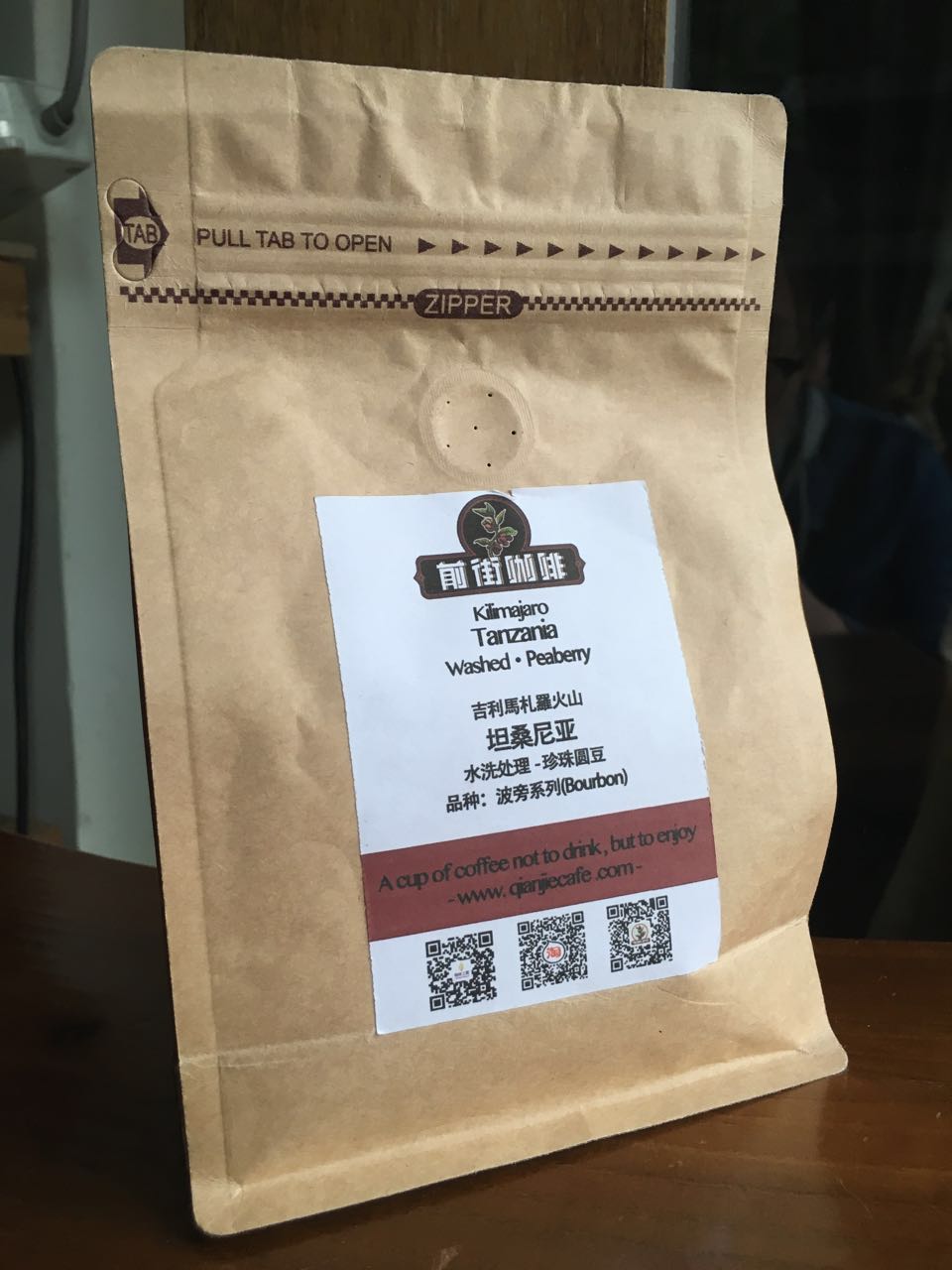
Compared to neighbouring countries, Honduran washed Caturra often shows unique spicy top notes, with a balanced finish of nuts and chocolate. This makes it versatile for both filter and espresso brewing.
Challenges in Honduran Coffee Farming
Honduras faces significant challenges, most notably coffee leaf rust (la roya), especially in the eastern regions. The disease attacks coffee trees, reducing yield and quality. While fungicides have helped manage outbreaks, they’re costly and labour-intensive. Despite this, Honduran producers have maintained consistent output, thanks in part to high-altitude resilience and ongoing investments in farm management.
Where Honduran Coffee Goes
Honduran coffee is typically exported by independent traders, with the United States and Germany as the top destinations. Its reliability, volume, and cup quality make it a staple in blends, though more specialty roasters are now highlighting it as a single origin.
Frequently Asked Questions
What is special about Honduran coffee beans?
Honduran coffee beans are known for their high acidity, balanced flavour, and quality, especially those grown at elevations between 1000–2000 meters. They often exhibit fruity, nutty, and chocolatey notes and are commonly used in both single-origin offerings and coffee blends.
How is Honduran coffee graded?
Honduras grades coffee by altitude: 700–1000m (medium), 1000–1500m (high), and 1500–2000m (special or premium grade). The highest grades come from the highest elevations, where slower cherry development leads to more complex flavours.
What coffee varieties are grown in Honduras?
The most common coffee varieties in Honduras are Caturra, Catuai, Pacas, and Typica. These are typically processed using the washed method, which helps produce a clean and bright cup profile.
Does Honduras produce more coffee than other Central American countries?
Yes, Honduras is the largest coffee producer in Central America. When considering only washed Arabica, it ranks as the second-largest producer in the world.
What are the main challenges for Honduran coffee farmers?
The primary challenges include coffee leaf rust (a fungal disease that damages trees), managing fungicide application, and fluctuating global prices. Despite this, many farms continue producing high-quality beans thanks to high altitudes and improved farming practices.
Where is Honduran coffee usually exported?
Honduran coffee is mainly exported to the United States and Germany. It is typically shipped by independent traders and is valued for its consistency and suitability for blending.
Recommended FrontStreet Beans for Honduran Coffee Lovers
For a true taste of Honduran specialty coffee, try FrontStreet’s washed Caturra—a top-tier example of the country’s high-altitude beans. This lot highlights the bright, complex fruitiness and balanced acidity typical of Honduras-grown Caturra at 1000–1500m. Another great option is any of their Special Grade offerings, which often feature nutty and toffee-like sweetness layered over vibrant acidity. These beans showcase why Honduras is a rising star for washed Arabica. Freshly roasted within 5 days · Orders placed before 17:00 ship the same day · Next-day delivery across most of Guangdong Province.
FrontStreet Coffee is a long-established specialty coffee roaster in Guangzhou China, selling freshly roasted beans from its own farm in Yunnan as well as dozens of carefully selected single-origin beans from around the world for both pour-over and espresso. The products deliver consistently excellent quality and great value, with shipping within 24 hours. Guangzhou's FrontStreet Coffee shop is recommended by many coffee lovers, and the beans are now available online at the Tmall 。
Important Notice :
前街咖啡 FrontStreet Coffee has moved to new addredd:
FrontStreet Coffee Address: 315,Donghua East Road,GuangZhou
Tel:020 38364473