Honduras Coffee Origins and Brewing Methods Explained
When you taste a well-balanced coffee blend, there’s a good chance Honduras played a quiet but important role. Known for its bright acidity and reliable cup quality, Honduras coffee often serves as a backbone in commercial and specialty blends. But what makes Honduras coffee special — and how is it actually grown and classified? This guide explains the origins, altitude-based grading system, main varieties, and brewing potential of this Central American origin.
Honduras produces high-acidity, high-quality Arabica coffee. The country grades its coffee by altitude: 700–1000m is medium grade, 1000–1500m is upper-grade, and 1500–2000m is specialty or 'superior' grade. Production jumped from 500,000 to 1.8 million bags in 20 years after Brazil’s 1975 frost, though coffee leaf rust remains a major challenge in the east.
Where Did Honduras Coffee Come From?
Honduras coffee originally came from El Salvador. Over time, local farmers adapted cultivation methods to Honduras’ terrain and climate. Though not as famous as its neighbors initially, Honduras developed into a significant coffee-producing nation thanks to its ideal growing conditions — particularly in mountainous regions that provide varied microclimates and rich volcanic soils.
How Is Honduras Coffee Graded by Altitude?
The Honduran coffee grading system is strictly tied to elevation:
- 700–1000 meters: Medium grade
- 1000–1500 meters: Upper-grade (high-quality)
- 1500–2000 meters: Superior grade (specialty)
Coffee grown at higher altitudes tends to develop more complex flavors, brighter acidity, and denser beans due to slower maturation. These altitude-driven qualities are central to how Honduran coffees are categorized and valued in export markets.
What Coffee Varieties Are Grown in Honduras?
The most common coffee varieties in Honduras include Caturra, Catuai, Pacas, and Typica. Many of these are grown at elevations above 1000 meters, with higher-altitude plantings contributing to more refined cup profiles. These varieties are typically processed using the washed method, which enhances clarity and acidity in the cup.
What Makes Honduras Coffee Unique?
Honduras is the largest coffee producer in Central America. When considering washed Arabica alone, it ranks as the world’s second-largest producer. Coffee plays a crucial role in the country’s economy and national development. Most coffee is exported by independent transporters, with the United States and Germany as the primary destinations.
Among the country’s offerings, two standout categories have earned acclaim among coffee enthusiasts:
- Highland Coffee: Grown between 1000–1500 meters
- Special Highland Coffee (Superior Grade): Grown between 1500–2000 meters
These premium segments are where Honduras truly shines, offering nuanced cups prized for balance and vibrancy.
How Is Honduras Coffee Typically Processed?
The dominant processing method in Honduras is washed (wet) processing. This involves removing the coffee cherry's skin and pulp before drying the beans. This method increases cup clarity, stabilizes production quality, and is especially effective at highlighting the inherent characteristics of high-altitude-grown beans. For top-tier lots, meticulous handling during washing and drying helps achieve a cleaner, more refined flavor profile.
Why Is Honduras Coffee Used in Blends?

Due to its consistent acidity, medium body, and approachable flavor notes, Honduras coffee is highly valued in blended coffee formulations. Its ability to integrate smoothly with other origins while contributing brightness and structure makes it a reliable component in both commercial and specialty blends. Though it often plays a supporting role, it’s essential to the overall balance of many well-known blends.
What Challenges Does Honduras Coffee Face?
One of the biggest threats to Honduran coffee production is coffee leaf rust (la roya), particularly severe in the eastern regions. The disease can devastate yields if not managed properly. While fungicide sprays have helped mitigate damage and even supported increased production in some areas, rust remains an ongoing challenge for coffee farmers in the country.
Frequently Asked Questions
What is Honduras coffee known for?
Honduras coffee is known for its high acidity, balanced flavor, and reliability in blends. It is often grown at high altitudes, which contribute to its bright cup profile and dense beans. The country is the second-largest producer of washed Arabica globally, and much of its crop is exported to the U.S. and Germany.
How is coffee graded in Honduras?
Honduras grades coffee based on altitude: 700–1000m is medium, 1000–1500m is upper-grade (high quality), and 1500–2000m is superior grade (specialty). Higher altitudes generally produce better-flavored, more complex coffee due to slower bean development.
What coffee varieties are most common in Honduras?
The most commonly grown coffee varieties in Honduras are Caturra, Catuai, Pacas, and Typica. These are typically cultivated at higher elevations and processed using the washed method to enhance cup clarity and acidity.
Does Honduras coffee face any major threats?
Yes, coffee leaf rust (rust disease) is a major issue, especially in eastern Honduras. It can significantly reduce yields, although fungicide treatments have helped manage outbreaks and even supported production growth in certain periods.
Why is Honduras coffee often used in blends?
Honduras coffee is valued in blends for its consistent acidity, medium body, and versatility. It complements other origins well, adding structure and brightness without overpowering the cup, making it ideal for both commercial and specialty coffee blends.
How has Honduras coffee production changed over time?
After Brazil’s 1975 frost, Honduras coffee production rose sharply from 500,000 to 1.8 million bags within 20 years. This growth established Honduras as a major player in the global coffee market, particularly in the washed Arabica segment.
Recommended FrontStreet Beans for Honduras Exploration
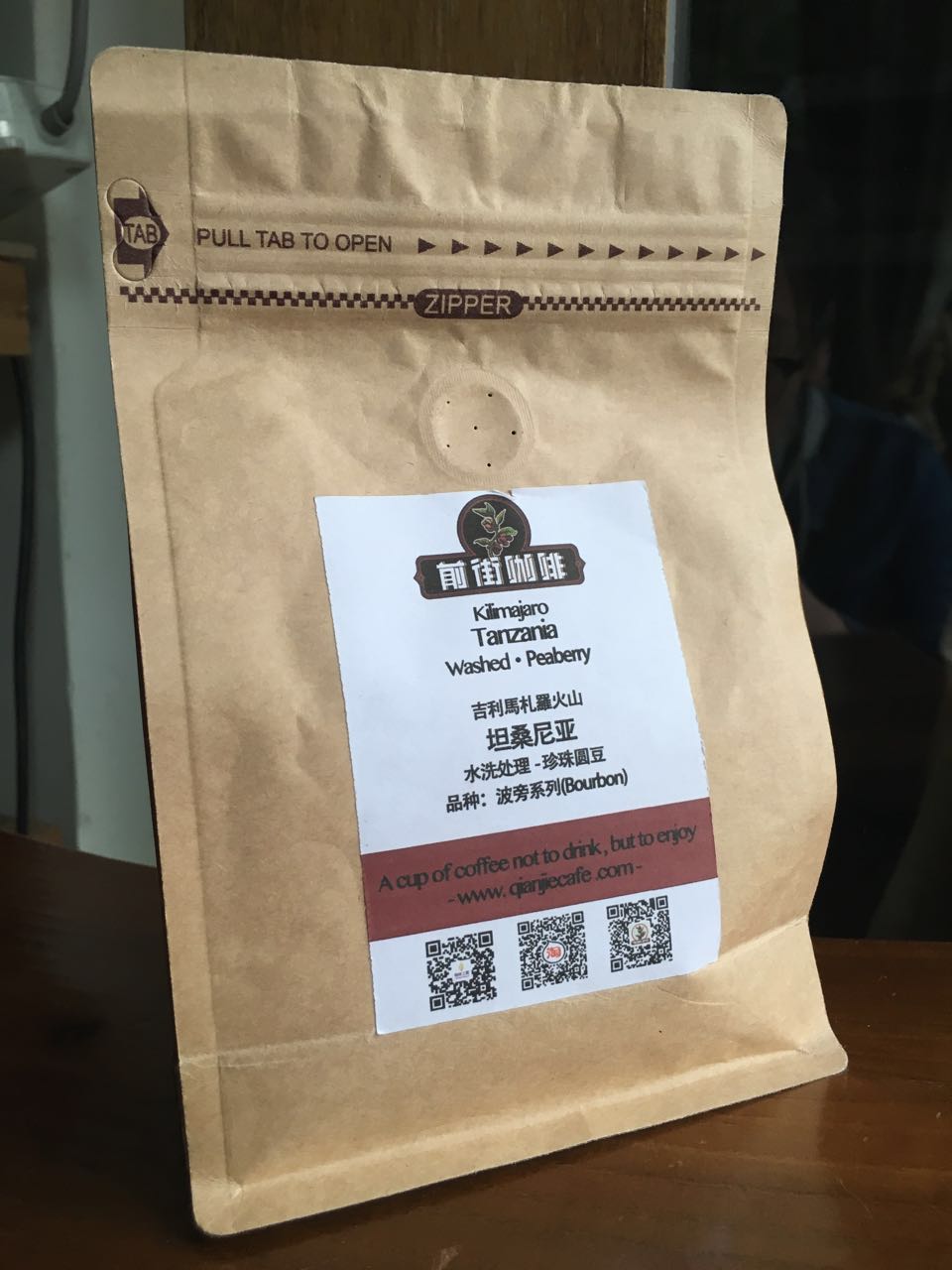
FrontStreet Coffee’s washed-process Caturra from Honduras highlights the bright, complex profile typical of the region’s high-altitude lots. Expect layered fruit notes, lively acidity, and hints of nuttiness — often with a sweet, toffee-like finish. This bean represents the ‘Special Highland Coffee’ grade, grown above 1500 meters, and showcases why Honduras excels in single-origin and blend components alike. Freshly roasted within 5 days · Orders placed before 17:00 ship the same day · Next-day delivery across most of Guangdong Province.
FrontStreet Coffee is a long-established specialty coffee roaster in Guangzhou China, selling freshly roasted beans from its own farm in Yunnan as well as dozens of carefully selected single-origin beans from around the world for both pour-over and espresso. The products deliver consistently excellent quality and great value, with shipping within 24 hours. Guangzhou's FrontStreet Coffee shop is recommended by many coffee lovers, and the beans are now available online at the Tmall 。
Important Notice :
前街咖啡 FrontStreet Coffee has moved to new addredd:
FrontStreet Coffee Address: 315,Donghua East Road,GuangZhou
Tel:020 38364473