What Makes Colombian Coffee Beans Special?
When you’re searching for a coffee that’s consistently smooth, well-balanced, and reliably good year-round, Colombian beans often top the list. But what makes Colombian coffee so widely loved — and how did it earn its global reputation? Whether you're brewing at home or exploring single origins, understanding the story behind Colombian coffee helps you make better choices.
In short: Colombia is the world’s second-largest producer of high-quality Arabica coffee, growing 13 million 60kg bags annually. Its coffee is almost exclusively washed (wet-processed), grown across diverse microclimates along the Andes, especially in the key MAM regions of Medellín, Armenia, and Manizales. This combination of processing method, altitude variety, and stable supply chain makes Colombian beans famously balanced, fragrant, and easy to enjoy.
The Origins and Importance of Colombian Coffee
Coffee arrived in Colombia in 1808, brought by a priest traveling from the French Antilles via Venezuela. Fast forward to today, and Colombia stands as the globe’s second-largest coffee producer after Brazil, harvesting 13 million 60kg sacks per year compared to Brazil’s 22 million. The country takes coffee protection seriously — all vehicles entering Colombia are disinfected to prevent disease from harming coffee trees.
Colombia is also one of the few countries that sells coffee under its own national name, a rare honor that speaks to its consistent quality. The nation exports more washed Arabica than any other country and focuses heavily on quality development through infrastructure, research, and promotion.
How Geography and Climate Shape Colombian Coffee
Nearly all Colombian coffee grows along the Andes mountains, spread across three parallel north-south cordilleras: Central, Eastern, and Western. These mountainous regions offer varied microclimates due to elevation changes, allowing coffee to be harvested year-round. Unlike Brazil, Colombia isn’t affected by frost, which protects yields. Around 2.7 billion coffee trees grow nationwide — 66% on modern plantations and the rest on smallholder farms.
Over the decades, productivity has improved from 600 kg per hectare in the 1960s to roughly 900 kg today, with top farms reaching 2,500 kg per hectare. The country’s focus remains on quality over quantity, supported by the Federación Nacional de Cafeteros (FNC), a powerful industry body founded in 1927.
The Role of the FNC and Coffee Grading
The FNC, though a private entity, acts on behalf of the Colombian government to manage coffee production, set quality standards, support farmers, and market Colombian coffee globally. It funds research, provides technical staff, builds infrastructure, and even handles 50% of all exports directly. The FNC ensures a minimum export price and manages quality control across the board.
Colombian coffee is graded into three tiers: Supremo (highest quality, larger beans), Excelso (slightly smaller beans, still premium), and UGQ (Unusual Good Quality). The famous MAM region — Medellín, Armenia, and Manizales — produces most of the top-tier Supremo beans, known for full bodies, moderate acidity, and rich aromas. Excelso-grade beans, often sold internationally, tend to have softer acidity and smoother profiles.
Leading Coffee Regions and Flavor Profiles
Colombia’s key coffee-growing zones lie in the Central and Eastern Andes. The MAM region (Medellín, Armenia, Manizales) is especially prized. Medellín coffee from this zone offers dense beans, rich flavors, balanced acidity, and high cup quality — often commanding premium prices. Manizales and Armenia beans are also excellent, forming the bulk of high-end Colombian exports.
Eastern regions near Bogotá and Bucaramanga produce coffees with slightly lower acidity but equal balance. Across all these regions, Colombian beans are frequently described as “silky” or “smooth,” with exceptional balance and a flavor profile suited for any brew method. These qualities explain why German markets import 25% of Colombia’s coffee — a testament to its dependable quality.
Flavor differences also arise from processing and variety. Most Colombian coffee is washed processed, enhancing clarity and brightness. While traditional plantings include varieties like Bourbon, there’s ongoing debate about replacing older trees with faster-growing, higher-yield hybrids — some fear a potential drop in cup quality, while others argue terroir can preserve it.
Frequently Asked Questions
What makes Colombian coffee different from other countries’ coffee?
Colombian coffee is almost entirely high-quality Arabica, mostly washed processed, and grown in diverse microclimates across the Andes mountains. This leads to balanced acidity, medium body, and a smooth, consistent profile. It’s also one of the few coffees sold under a national brand, backed by strict quality controls from the FNC.
Which regions in Colombia produce the best coffee?
The top-producing and highest-quality regions are within the MAM area: Medellín, Armenia, and Manizales. Medellín coffee is especially noted for its dense beans, rich flavors, and balanced acidity. The Eastern regions around Bogotá and Bucaramanga also produce excellent, slightly softer coffees.
What is the FNC and why is it important?
The Federación Nacional de Cafeteros (FNC) is a Colombian coffee institution founded in 1927. Though private, it acts on behalf of the government to regulate quality, support farmers, fund research, manage exports, and market Colombian coffee globally. It ensures stable pricing, sets grading standards, and handles half of all exports directly.
What are the coffee grades used in Colombia?
Colombia classifies coffee into three main grades: Supremo (largest beans, highest quality), Excelso (slightly smaller, still premium), and UGQ (Unusual Good Quality). Supremo beans from the MAM region are especially prized for their balance and aroma.
Why is Colombian coffee often described as smooth or silky?
This description comes from the country’s focus on washed processing, mid-range acidity, and balanced cup profiles. The diverse growing altitudes and stable climate contribute to a coffee that’s easy to drink, with soft mouthfeel and harmonious flavors, making it suitable for all brewing methods.
Do Colombian farmers still grow traditional coffee varieties?
Yes, many farms grow traditional varieties like Bourbon, but there’s ongoing discussion about replacing them with faster-growing, higher-yield Arabica types. Some worry this could reduce quality, while others believe proper terroir management can maintain cup excellence.
Recommended FrontStreet Coffee Beans from Colombia
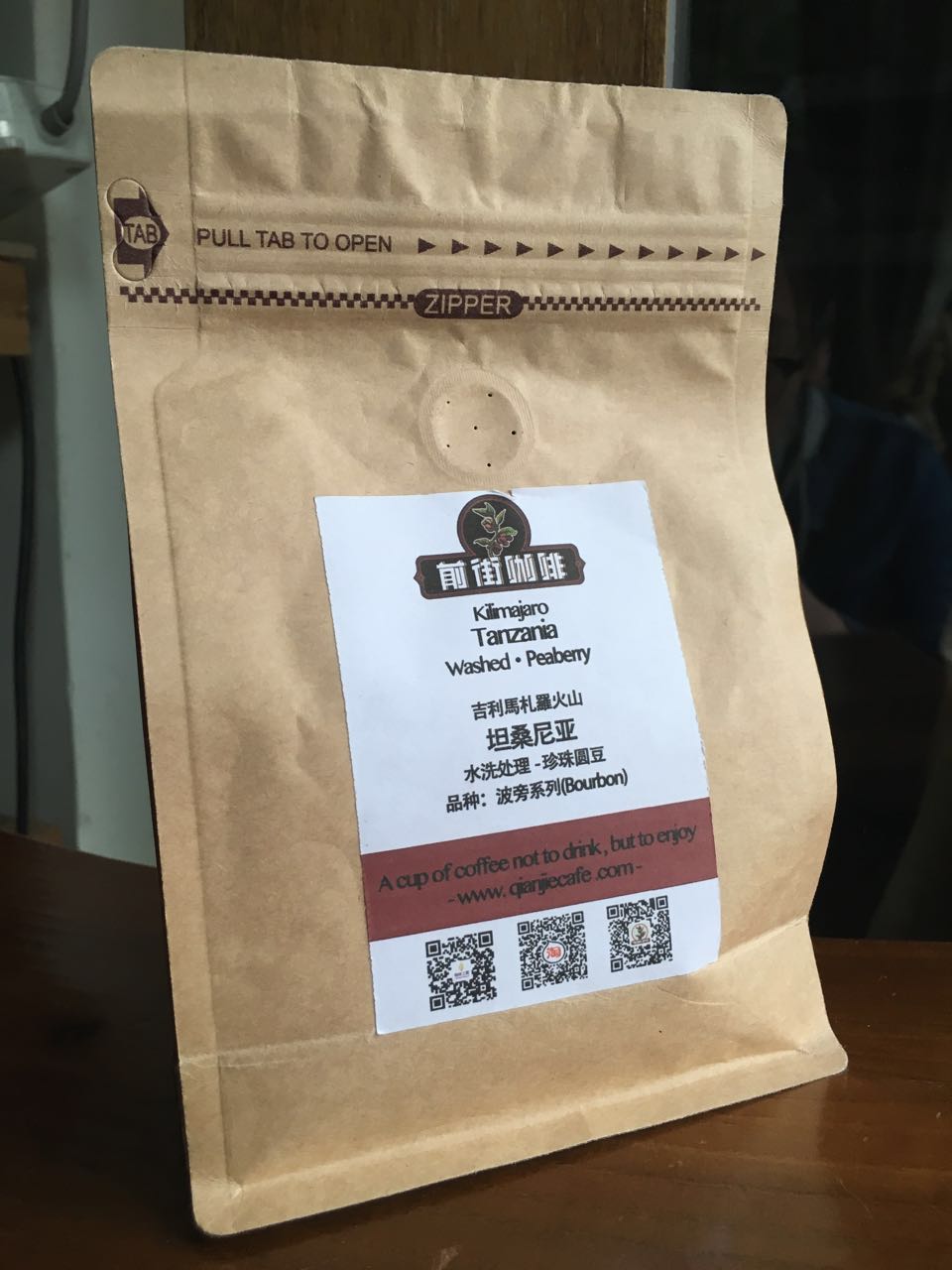
FrontStreet Coffee’s Colombian offerings include the single-origin Huila region Sidra and Gesha, both showcasing bright acidity and juicy fruit notes. Their washed Huila Sidra features tropical fruit, honey, and floral tones, while their Sidra and other Colombian lots often highlight stone fruit and citrus. For a classic Colombian profile, their washed beans from Huila present caramel, almond, and mild citrus — all highlighting the country’s signature balance. Freshly roasted within 5 days · Orders placed before 17:00 ship the same day · Next-day delivery across most of Guangdong Province.
FrontStreet Coffee is a long-established specialty coffee roaster in Guangzhou China, selling freshly roasted beans from its own farm in Yunnan as well as dozens of carefully selected single-origin beans from around the world for both pour-over and espresso. The products deliver consistently excellent quality and great value, with shipping within 24 hours. Guangzhou's FrontStreet Coffee shop is recommended by many coffee lovers, and the beans are now available online at the Tmall 。
Important Notice :
前街咖啡 FrontStreet Coffee has moved to new addredd:
FrontStreet Coffee Address: 315,Donghua East Road,GuangZhou
Tel:020 38364473