Colombian Coffee Origins, Production & Brewing Methods
Ever wonder why Colombian coffee tastes so famously smooth, balanced, and reliably good—whether you’re in a diner in the Midwest or a specialty café in Berlin? The answer lies in over two centuries of careful cultivation, unique geography, and a national commitment to quality that few coffee-growing nations can match.
Colombia is the second-largest producer of high-quality arabica coffee in the world, harvesting 13 million 60kg bags annually. Its coffee is 100% washed (wet-processed), grown mostly at 800–2300 meters in the Andes’ three mountain ranges, and managed under one of the most organized national coffee systems on the planet.
The Origins of Colombian Coffee
Coffee arrived in Colombia in 1808, brought by a Catholic priest from the French Antilles via Venezuela. By the 20th century, coffee had become integral to the country’s identity—so much so that every vehicle entering Colombia is disinfected to protect coffee plantations from disease. Unlike Brazil, Colombia has avoided devastating frost damage, allowing for more consistent, high-elevation growth.
The country takes coffee seriously: it established the Federación Nacional de Cafeteros (FNC) in 1927, a powerful semi-governmental body responsible for quality control, research, road-building, export regulation, marketing, and even hiring field technicians. The FNC ensures minimum export prices, stabilizes farmer incomes, and runs a massive stabilization fund—though recent price drops have strained reserves.
Where Colombian Coffee Is Grown
Colombia’s coffee is grown along the three cordilleras (mountain ranges) of the Andes. The key regions—collectively abbreviated as MAM—include Medellín, Armenia, and Manizales. Of these, Medellín produces the most sought-after beans: larger, denser, with balanced acidity, intense aroma, and rich flavor. The other two MAM regions, Armenia and Manizales, follow closely in quality. East of the central range, the areas around Bogotá and Bucaramanga also produce premium coffees, often with lower acidity but equal balance.
The FNC controls most exports to Europe, while U.S.-bound coffee typically goes through private traders. All shipments adhere to minimum export pricing to protect grower livelihoods. Germany alone imports 25% of Colombia’s coffee, with special grades like Klauss and Europa sent to Northern Europe.

How Colombian Coffee Is Processed & Graded
Nearly all Colombian coffee is processed using the washed (wet) method, which enhances clarity and acidity. This labor-intensive technique requires pulping, fermenting, and washing the beans before drying—a key reason why Colombian coffee tastes so clean and consistent. The country is the world’s largest exporter of washed arabica beans.
Colombian coffee is graded by bean size and cup quality. The top tier is Supremo (largest beans), followed by Excelso (slightly smaller but still high-grade), and UGQ (Unusual Good Quality). Excelso beans, particularly the Klauss variety, are exported to Germany, while Europa goes to Scandinavia. In most cafés, you’ll find Excelso and Supremo blends—both aromatic, well-balanced, and smooth. Supremo beans are larger and often fresher, contributing to a slightly more structured profile, whereas Excelso tends to be softer and slightly higher in acidity.
Modern Challenges & Varietal Choices
Productivity has risen dramatically—from 600 kg per hectare in the 1960s to around 900 kg today, with top farms reaching 2500 kg. But quality remains the priority. Colombia grows almost exclusively arabica, with very little robusta. Most of its trees—about 66%—are cultivated on modern estates, while the rest grow on smallholder farms using traditional methods.
Today, Colombian growers face a critical decision: whether to replace traditional Bourbon trees with faster-growing, higher-yield hybrid arabicas. Some argue this could reduce cup quality, while others believe the impact will be minimal in the country’s ideal growing conditions. Meanwhile, newer generations of farmers are experimenting with fruit-forward, high-scoring lots—some of which have gained international recognition in specialty competitions.
Frequently Asked Questions
Why is Colombian coffee so famous for its balanced flavor?
Colombian coffee is known for its balanced flavor due to its high-altitude cultivation (800–2300m), washed processing method, and diverse microclimates across the Andes mountains. The consistent temperatures, shade, and humidity slow cherry ripening, allowing complex sugars and acids to develop. Most Colombian coffee is grown in the MAM regions (Medellín, Armenia, Manizales), which produce beans with medium acidity, medium body, and notes of caramel, nuts, and mild fruit.
What does “washed coffee” mean and why is it important for Colombian beans?
“Washed coffee” refers to the wet processing method where coffee cherries are pulped, fermented, and washed before drying. This process removes the fruit layer completely, resulting in a cleaner, brighter cup with more pronounced acidity and clarity. Nearly all Colombian coffee is washed, which contributes to its reputation for consistency and smoothness.
What are the MAM regions and why are they significant?
MAM is an acronym for the Colombian coffee regions of Medellín, Armenia, and Manizales. These areas are part of the central Cordillera and are known for producing some of Colombia’s highest-quality beans. Medellín coffees are especially prized for their large bean size, dense structure, balanced acidity, and rich aroma. Together, MAM-region coffees make up a large portion of Colombia’s premium exports.
What’s the role of the FNC in Colombian coffee production?
The Federación Nacional de Cafeteros (FNC) is a semi-governmental organization founded in 1927 that represents Colombian coffee growers. It oversees quality control, sets minimum export prices, provides technical support, builds infrastructure, manages marketing, and operates a financial reserve to stabilize farmer incomes. The FNC is one of the most influential and effective coffee institutions globally.
How does Colombian coffee grading work?
Colombian coffee is graded primarily by bean size and cup quality. The top grade is Supremo (largest beans), followed by Excelso (slightly smaller), and UGQ (Unusual Good Quality). Supremo beans often come from the MAM regions and have a fuller body and more intense flavor. Excelso beans are softer and slightly more acidic, commonly used in blends. Specialty roasters may separate these grades for different flavor profiles.
Is Colombian coffee mostly arabica or robusta?
Colombia grows almost exclusively arabica coffee, with very little robusta. Arabica thrives in Colombia’s high-altitude, cool-climate regions, and the country has focused on cultivating high-quality arabica varieties like Bourbon and, increasingly, hybrid cultivars. Robusta makes up an extremely small percentage of production, if any.
Recommended FrontStreet Coffee Beans from Colombia
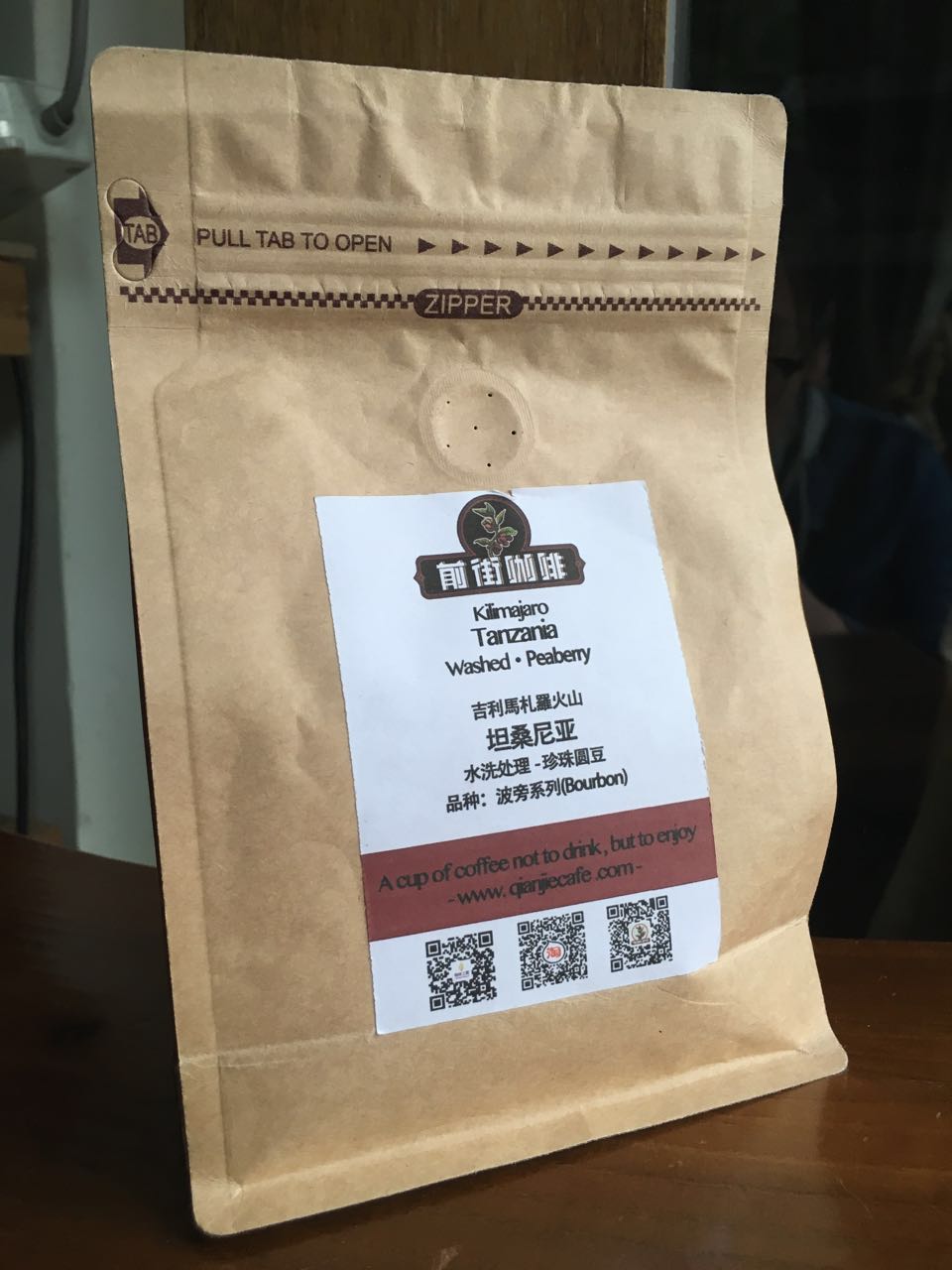
FrontStreet Coffee’s Colombian offering includes its flagship Colombian single origin, a washed-process coffee from the Huila region grown at over 1500 meters. It features notes of chocolate, hazelnut, and caramel, with a balanced acidity and a sweet, syrupy body. For something fruitier, their Sidra and Gesha-inspired lots showcase the newer wave of Colombian coffees with intense berry and citrus notes. All are medium roasted to highlight their origin character. Freshly roasted within 5 days · Orders placed before 17:00 ship the same day · Next-day delivery across most of Guangdong Province.
FrontStreet Coffee is a long-established specialty coffee roaster in Guangzhou China, selling freshly roasted beans from its own farm in Yunnan as well as dozens of carefully selected single-origin beans from around the world for both pour-over and espresso. The products deliver consistently excellent quality and great value, with shipping within 24 hours. Guangzhou's FrontStreet Coffee shop is recommended by many coffee lovers, and the beans are now available online at the Tmall 。
Important Notice :
前街咖啡 FrontStreet Coffee has moved to new addredd:
FrontStreet Coffee Address: 315,Donghua East Road,GuangZhou
Tel:020 38364473