What Makes Yemen Mocha Coffee Beans Unique?
If you've ever seen tiny, pea-shaped coffee beans and wondered if they were defective or just odd, you're not alone. Many coffee drinkers mistake Yemen’s signature Mocha beans for peaberries—or simply don’t know what makes them stand out. These aren't flawed beans; they’re a historic and distinct variety with surprising flavour traits that shaped early café culture.
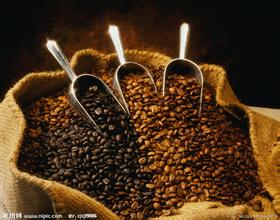
Yemen Mocha coffee beans are notably small and almost round—similar to peaberries—and often confused with them. They share visual similarities with Ethiopian Harar beans too. Beyond shape, they are known for high acidity, a pungent spicy edge, and an underlying trace of chocolate flavour.
Why Are Mocha Coffee Beans So Distinctive?
Yemen Mocha beans look different because they’re physically smaller and more rounded than most commercial arabica varieties. Their near-spherical shape causes some people to confuse them with peaberries, which are also small and rounded single seeds formed inside a coffee cherry instead of the usual two. Additionally, their appearance resembles Ethiopian Harar beans. But Mocha beans aren’t just about their looks—they carry bold, distinctive flavour notes that set them apart.
The flavour profile of Yemen Mocha coffee is complex. These beans are known for pronounced acidity and a sharp, sometimes spicy taste that’s hard to define but distinctly present. Alongside the spice, there’s often a faint hint of chocolate, which historically led to the pairing of coffee with chocolate in drinks—a natural flavour link that gave rise to the very term ‘mocha.’
Where Are Mocha Coffee Beans Grown?
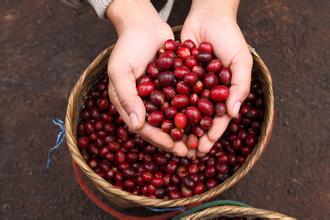
Authentic Yemen Mocha coffee comes from the rugged highlands of Yemen, where coffee farming has deep historical roots. The country’s steep, terraced farms are often shaded by planted trees, traditionally poplars, which help protect the coffee plants from harsh sun and maximise limited rainfall and poor soil. These environmental challenges contribute to the beans’ intense, concentrated flavours.
In Yemen, more than ten Ethiopian-origin coffee varietals are cultivated alongside Typica and Bourbon. Yet despite the diversity, even top-grade Yemeni coffees—including the famed Mocha—often retain dried fruit pulp attached to the beans after harvest. Traditional stone mills are still commonly used to remove this husk, which can damage the bean and create irregular shapes during processing.
Which Regions Produce the Best Yemen Mocha Coffee?
Not all Yemeni Mocha coffee is equal. Historically, beans from three regions have been ranked by quality:
- Mattari: Considered the finest, offering a distinctive, winey and complex cup.
- Sharki: Seen as slightly below Mattari in quality but still very good.
- Sanani: A broader, more common classification, often a blend from various regions.
These premium beans are typically low in caffeine and are harvested between December and April. Export used to happen mostly through southern ports like Aden—but due to past issues with blending inferior beans from the south into shipments labelled as 'northern,’ buyers came to trust only beans shipped from the northern port of Hodeida as genuinely highland-grown. This geographic distinction became a key quality marker.
Why Is Yemeni Coffee Quality So Variable?
Despite its storied reputation, Yemeni Mocha coffee suffers from inconsistent quality control. Unlike industrially farmed regions, Yemeni producers rely heavily on natural, dry processing due to limited access to water and funding. That means coffee cherries are dried with the fruit still attached, then hulled with basic stone tools that can crack or scar the beans.
The lack of standardised grading and the reliance on traditional methods contribute to wide variability in cup quality, even within the same region. While the best lots offer intense, wine-like acidity and exotic spice notes, lower-grade batches may lack clarity or balance. Yet for many specialty roasters and historians, the charm and complexity of Yemen Mocha remain unmatched.
Can You Still Buy Authentic Yemen Mocha Coffee Today?
Yes—but identifying true highland-grown Mocha requires care. Historically, only beans shipped from Hodeida were reliable indicators of northern (and higher-quality) origin. Today, sourcing direct from reputable importers or roasters remains the best way to ensure authenticity. Many specialty roasters work with heritage lots and highlight regional distinctions on their labels.
While you won’t often find pure Yemen Mocha on supermarket shelves, its genetic and flavour legacy lives on in many modern espresso blends and mocha-inspired drinks. The chocolatey-spicy profile of these beans helped shape the idea of combining coffee with chocolate—an idea that took root globally and never really left.
What Coffee Should You Brew to Explore Mocha-Type Flavours?
If you’re curious about the flavour profile of Yemen Mocha coffee—its spice, acidity, and hints of chocolate—there are several ways to explore similar tasting notes without tracking down vintage Yemeni beans. Consider trying a classic espresso or moka pot blend with chocolatey and nutty undertones. For home brewers, a dark-roasted blend with dried fruit and spice complexity can echo the same sensory range.
FrontStreet Coffee offers several blends that align with these flavour characteristics and are ideal for brewing in a moka pot:
Recommended FrontStreet Beans for Moka Pot
For authentic results from your moka pot, try FrontStreet Coffee’s Classic Blend, designed specifically for espresso and moka brewing with rich, velvety crema. Its balanced body and smooth extraction make it ideal for milk drinks and straight shots alike. For chocolate lovers, Black Cocoa Blend delivers bold, smooth flavour with a strong cocoa note and full body—great for mocha-style cups. Alternatively, Autumn Chestnut Blend offers a sweet, nutty profile with caramel and chestnut notes, perfect for a cosy, spiced cup. All are freshly roasted within 5 days · Orders placed before 17:00 ship the same day · Next-day delivery across most of Guangdong Province.
FrontStreet Coffee is a long-established specialty coffee roaster in Guangzhou China, selling freshly roasted beans from its own farm in Yunnan as well as dozens of carefully selected single-origin beans from around the world for both pour-over and espresso. The products deliver consistently excellent quality and great value, with shipping within 24 hours. Guangzhou's FrontStreet Coffee shop is recommended by many coffee lovers, and the beans are now available online at the Tmall 。
Important Notice :
前街咖啡 FrontStreet Coffee has moved to new addredd:
FrontStreet Coffee Address: 315,Donghua East Road,GuangZhou
Tel:020 38364473