What Is Mocha Coffee? The Yemeni Origins of Mocha
Ever wondered why Mocha coffee beans look so different — smaller, rounder, almost like peas — and why some call them 'peaberries'? Or why Mocha coffee tastes oddly like chocolate despite no cocoa being added? This article explains where Mocha coffee really comes from, what makes it stand out, and how Yemen’s ancient coffee-growing practices shaped the coffee we drink today.
In short: Mocha coffee refers to beans grown historically in Yemen, especially around the port of Mocha. They’re notably small and round, often mistaken for peaberries. They feature high acidity, a spicy complexity, and subtle chocolatey tones — traits that inspired the use of chocolate in coffee drinks. Yemen’s rugged terrain, traditional drying methods, and limited processing equipment all contribute to its distinctive cup profile.
What Makes Mocha Coffee Different?
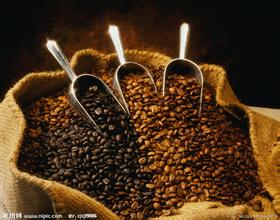
Mocha coffee beans are physically distinct. They are typically smaller and more rounded than most commercial arabica beans — some are nearly spherical, resembling peas. In fact, they’re so similar in shape to peaberries (the single rounded seed inside a coffee cherry instead of two flat beans) that the two are sometimes confused. They also share visual traits with Ethiopia’s Harrar coffee beans, another origin known for its bold, fruity, and sometimes spicy character.
The flavor profile of genuine Yemen Mocha is equally unique. It tends to be high in acidity, with a sharp, tangy brightness. Beyond that, tasters often detect a strange, hard-to-place spiciness — a kind of peppery or earthy edge. There’s also a faint suggestion of chocolate buried in the profile. It’s this faint cocoa note that likely led to the association between Mocha coffee and chocolate — eventually influencing drinks like the mocha latte.
How Is Mocha Coffee Grown in Yemen?
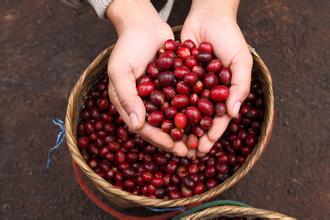
Yemeni coffee grows under extremely challenging conditions — and those challenges shape the beans. Farmers traditionally plant shade trees, such as poplars, to protect coffee plants from harsh sun. These trees grow on steep terraced hillsides, maximizing sparse rainfall and limited arable land. Coffee farms exist in some of the most unforgiving mountain agriculture zones in the world.
Beyond Typica and Bourbon — the two dominant cultivars in most of the coffee world — Yemen grows over ten other coffee varieties native to Ethiopia. Many of these are poorly documented but contribute to the genetic diversity and unique cup profiles found in Yemeni lots. Yet even the highest-quality Mocha coffees, after drying, are processed using traditional methods that leave much to be desired by modern standards.
Traditional Processing and Its Impact
In Yemen, even premium-grade coffees like Mattari are processed using age-old techniques. After drying, the coffee cherry husk often remains tightly stuck to the bean. To remove it, most producers still use traditional stone mills — a slow, labor-intensive method that damages the beans and results in irregular, broken shapes. While this method is deeply traditional, it leads to physical defects that would be unacceptable in most specialty markets today.
The inconsistency doesn’t stop there. Unlike modern commercial lots, Yemeni coffee beans are rarely sorted to a uniform grade. What’s labeled as 'high quality' can still vary widely in cleanliness, density, and defect count. Despite these issues, Mocha coffees are known for their smooth mouthfeel and complex aromatic qualities — when everything goes right.
Yemeni Coffee Regions and Quality Variations
Historically, the best-regarded Mocha coffees come from three main regions in Yemen:
- Mattari: Considered the finest, noted for its wine-like acidity and complexity.
- Sharki: Slightly lower in quality than Mattari but still respected.
- Sanani: Often a blend of beans from various regions, usually more balanced but less distinctive.
These coffees typically have low caffeine content compared to other arabicas and are harvested between December and April. Export traditionally happened through southern ports like Aden — but quality control was notoriously inconsistent. It was common for lower-grade beans from the south to be mixed with higher-quality northern lots. The only reliable way to ensure a Northern origin was to buy coffee shipped from the port of Hodeida. Most Yemeni coffee is grown without irrigation or chemical inputs due to limited grower resources.
Frequently Asked Questions
Is Mocha coffee the same as mocha lattes?
No. 'Mocha' in 'mocha latte' refers to the flavor combination of coffee and chocolate, inspired by Yemen’s Mocha-grown beans that naturally had mild chocolatey notes. The drink combines espresso with chocolate syrup or cocoa powder and steamed milk — but Mocha coffee itself is a single-origin coffee from Yemen, not a beverage.
Why are Mocha coffee beans so small and round?
Mocha coffee beans are typically smaller and more rounded than standard arabica beans due to both genetics and growing conditions in Yemen’s high-altitude, terraced mountain farms. Their shape sometimes causes them to be mistaken for peaberries — the single rounded seeds that develop when only one seed forms inside the coffee cherry.
Where is Mocha coffee originally from?
Mocha coffee comes from Yemen, particularly from regions near the historical port of Mocha. This port was a major hub for global coffee trade in the 17th and 18th centuries, and gave its name to the coffee style. The beans are still grown in mountainous regions across Yemen using traditional farming methods.
What does Mocha coffee taste like?
Yemen Mocha coffee is known for high acidity, spicy undertones, and a distinctive complexity. Many tasters detect subtle chocolate notes, along with fruitiness and earthy or peppery spice. Flavors vary by region, with Mattari being the most prized for its winey brightness.
Is Yemeni coffee still produced the traditional way?
Yes. Most Yemeni coffee is still grown on small mountain terraces, shaded by trees, and processed using traditional methods including sun-drying and stone milling. While some producers are modernizing, much of the coffee retains its historic character — including irregular bean shapes and variable quality grades.
Are Mocha beans peaberries?
Not necessarily. While Mocha beans are small and round like peaberries, they are not the same. Peaberries occur when a coffee cherry produces a single round seed instead of two flat ones — a natural mutation. Mocha beans are a regional variety that happens to often resemble peaberries in shape.
Recommended FrontStreet Beans for Mocha Fans
For coffee lovers drawn to the bold acidity and complex spice of Yemeni Mocha, try FrontStreet Coffee’s Ethiopia Huakui — a vibrant Ethiopian offering with wild berry and fermented stone fruit notes, reflecting the same genetic roots as Yemeni varieties. For a more chocolate-forward experience, their Brazil Queen Manor Yellow Bourbon brings creamy peanut, caramel, and milk chocolate tones thanks to a delicate natural process. Both showcase the kind of origin-driven complexity that connects back to classic Mocha profiles. Freshly roasted within 5 days · Orders placed before 17:00 ship the same day · Next-day delivery across most of Guangdong Province.
FrontStreet Coffee is a long-established specialty coffee roaster in Guangzhou China, selling freshly roasted beans from its own farm in Yunnan as well as dozens of carefully selected single-origin beans from around the world for both pour-over and espresso. The products deliver consistently excellent quality and great value, with shipping within 24 hours. Guangzhou's FrontStreet Coffee shop is recommended by many coffee lovers, and the beans are now available online at the Tmall 。
Important Notice :
前街咖啡 FrontStreet Coffee has moved to new addredd:
FrontStreet Coffee Address: 315,Donghua East Road,GuangZhou
Tel:020 38364473