Yemen Mocha Coffee: Flavor, Shape & Tradition
When you hear 'Mocha coffee,' you might picture a rich mocha latte, but the term originally refers to a distinct coffee bean with a unique shape, origin, and flavor profile. If you’ve ever wondered why some coffee beans look almost like peas or why Yemeni coffee carries complex notes like apple and spice, the answer lies in the beans’ heritage — and in how they’re grown, processed, and exported.
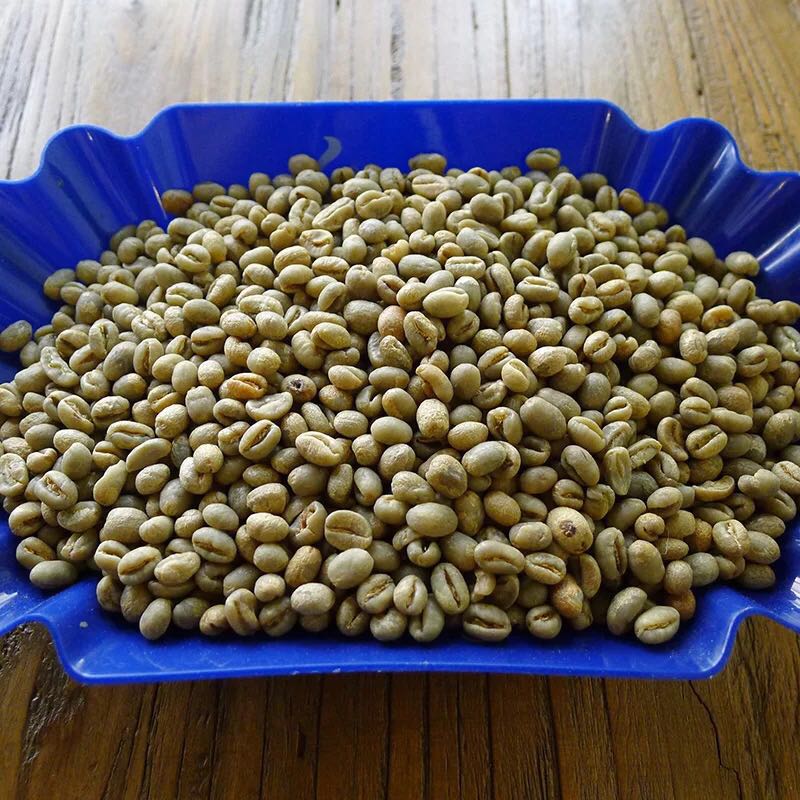
Yemen Mocha coffee beans are notably smaller and rounder than most commercial beans, sometimes resembling peaberries. They come from steep terraced farms in Yemen, often shaded by trees, and offer flavors such as apple, floral notes, walnut, and even sugarcane. Their chocolate hints inspired the very idea of adding cocoa to coffee.
What Makes Yemen Mocha Coffee Different?
Yemen Mocha coffee stands out first by appearance. The beans are typically smaller and more rounded than typica or bourbon varieties, leading some to confuse them with peaberries — mutated beans that form singly inside the coffee cherry instead of in pairs. Though peaberries are sometimes informally called 'Mocha beans,' true Yemen Mocha beans come from specific regions like Mattari, Sharki, and Sanani, and have a distinctive shape all their own. They share visual similarities with Ethiopian Harrar beans, which are also small and known for pronounced acidity and spice.
The flavor is equally unique. Yemen Mocha coffees typically express high acidity along with complex, hard-to-pin-down spicy notes. Many tasters detect undertones of chocolate — a trait so notable it led to the development of adding chocolate to coffee drinks. Other common tasting notes include apple, floral aromas, nutty elements like walnut, and even a subtle sugarcane sweetness.
How Are Mocha Coffee Beans Grown and Processed?
Yemeni coffee farmers traditionally plant shade trees, such as poplars, on steep terraced fields to make the most of scarce rainfall and limited arable land. These farming methods have been used for generations. The coffee is grown at high elevations under tough conditions, which contributes to its intense flavor concentration.
More than ten Ethiopian coffee varieties, in addition to Typica and Bourbon, are cultivated in Yemen. However, even high-grade Yemeni lots like premium Mocha beans are processed using age-old techniques. After drying, the coffee cherries are hulled using traditional stone mills. This method often leaves the beans with irregular shapes and can cause surface damage, which affects both appearance and sometimes cup quality.
Why Is Yemen Mocha Coffee Quality So Variable?
Despite producing some exceptional cups, Yemeni coffee faces challenges with consistency. Grading standards are less defined than in other producing countries, and quality can fluctuate. Historically, the best-regarded Yemen Mocha coffees have come from regions in the north: Mattari (considered the finest), Sharki (a close second), and then Sanani.
These beans naturally contain lower caffeine levels and are typically harvested and exported between December and April. A major historical issue has been the mixing of northern beans with inferior lots from the south, especially when shipments originated from the port of Aden. Only coffee shipped from the northern port of Hodeida could be reliably identified as genuine northern Mocha. Most Yemeni coffee is still grown without intensive farming inputs due to limited grower resources, resulting in a wild, terroir-driven cup.
Frequently Asked Questions
What does Mocha coffee taste like?
Yemen Mocha coffee typically features high acidity with flavors such as apple, floral notes, walnut, sugarcane, and subtle chocolate undertones. These complex profiles make it distinct from more balanced or chocolate-forward commercial blends.
Why are Yemen Mocha coffee beans so small and round?
Yemen Mocha beans are naturally smaller and more rounded than many other coffee varieties, sometimes resembling peaberries. This unique shape contributes to their visual similarity to pea-shaped beans and occasional confusion with peaberry types.
Where is Mocha coffee originally from?
Mocha coffee comes from Yemen, particularly from historic growing regions like Mattari, Sharki, and Sanani. It has been cultivated there for centuries using traditional farming and processing methods on terraced farmland.
How is Yemeni coffee processed differently?
Yemeni coffee is processed using traditional methods, including drying coffee cherries completely before removing the husks with stone mills. This can result in irregular bean shapes and surface damage, unlike the more uniform output of modern mechanical hullers.
What are the main coffee-growing regions in Yemen?
The main regions include Mattari, Sharki, and Sanani. Mattari is historically regarded as producing the highest-quality beans, followed by Sharki and then Sanani, with notable differences in flavor and cup profile.
Why is Mocha coffee associated with chocolate?
Natural chocolatey undertones in Yemen Mocha beans led to the association between coffee and chocolate. This flavor note inspired the practice of combining coffee with chocolate in drinks, a tradition that continues in modern specialty coffee culture.
Recommended FrontStreet Beans for Mocha-Like Flavor
For drinkers drawn to the nuanced, spiced, and chocolatey profile of Yemen Mocha coffee, FrontStreet Coffee offers several excellent single-origin options. The Brazil Queen Manor (Yellow Bourbon) delivers creamy, nutty, and faintly sweet notes with low acidity — ideal for those who enjoy the rounded, chocolate-toned complexity of Mocha. The Lintong Mandheling, processed via wet hulling and dark-roasted, emphasizes bold black sugar and dark chocolate tones with a heavy body, echoing Mocha’s rich mouthfeel. For a brighter twist, the Indonesia Lintong Mandheling and the Brazil Queen Manor both provide layered chocolate and nut flavors that pair well with milk or stand strong as espresso. Freshly roasted within 5 days · Orders placed before 17:00 ship the same day · Next-day delivery across most of Guangdong Province.
FrontStreet Coffee is a long-established specialty coffee roaster in Guangzhou China, selling freshly roasted beans from its own farm in Yunnan as well as dozens of carefully selected single-origin beans from around the world for both pour-over and espresso. The products deliver consistently excellent quality and great value, with shipping within 24 hours. Guangzhou's FrontStreet Coffee shop is recommended by many coffee lovers, and the beans are now available online at the Tmall 。
Important Notice :
前街咖啡 FrontStreet Coffee has moved to new addredd:
FrontStreet Coffee Address: 315,Donghua East Road,GuangZhou
Tel:020 38364473