What Makes Indonesian Coffee Unique? A Guide to Its Flavors and Origins
Ever wondered why Indonesian coffee tastes so different—bold, earthy, sometimes syrupy—with flavors you won’t find in Latin American or African beans? Whether you’ve sipped a dark Sumatran brew or heard about Java’s historic role in coffee trade, there’s a lot more to Indonesia’s coffee story than meets the eye. This guide breaks down where it grows, how it’s processed, and what makes each island’s cup distinct.
Indonesia produces around 6.8 million bags of coffee annually, with 6%–10% Arabica and the rest Robusta. Key growing islands include Java, Sumatra (especially Mandheling and Ankola), Sulawesi (Kalossi and Rantepao), Flores, and Papua’s Sigri Plantation. Each region’s altitude, climate, and processing shape unique flavor profiles.
Java: Historic Elegance with Low Acidity
Java, central to Indonesia’s coffee history, was the first island where Dutch colonists planted coffee in the mid-17th century (some records suggest even earlier). The first Java-grown coffee reached Amsterdam in 1712. Today, just 6%–10% of Java’s output is Arabica, with Robusta dominating after coffee leaf rust wiped out original plantations in 1877. The best Arabica comes from estates like Blawan, Jambit, Kayumas, and Pankur. Java coffees are known for delicate aromas, lower acidity, and smooth, balanced bodies—often considered superior to Sumatra or Sulawesi in fragrance and acidity. A classic blend, Java Mocha, mixes Java Arabica with Yemen Mocha beans.
Sumatra: Bold, Earthy, and Full-Bodied
Sumatra, Indonesia’s second-largest island and a major oil and timber exporter, is even more famous for its coffee. Sumatran beans, primarily from the Gayo Highlands (Aceh) and Lake Toba’s Lintong region, are grown at 1,100–1,600 meters and processed using the local wet-hulled (Giling Basah) method. This gives them a heavier body, herbal, and woody notes. Mandheling and Ankola beans are highly regarded, with Mandheling often called the world’s largest coffee beans. FrontStreet Coffee’s Lintong Mandheling offers spice, black chocolate, and caramel flavors with a sweet finish, while their PWN Golden Mandheling—meticulously hand-sorted—is toastier, with caramel, cocoa, and a lasting sweet aftertaste.
Sulawesi, Flores, and Papua: Unique Regional Profiles
Sulawesi (also called Celebes), located between Borneo and New Guinea, produces coffee from the southern regions of Kalossi and Rantepao. These beans are full-bodied with strong aromas; try the Celebes Kalossi brand for a representative cup. Flores Island’s coffee shares the archipelago’s general traits but maintains balance. Papua’s Sigri Plantation, one of the main producers, grows beans similar to other Indonesian coffees—full-bodied and well-balanced. Across these islands, Indonesian coffees typically feature intense flavors, rich sweetness reminiscent of syrup, and bright acidity, appealing to drinkers who enjoy adding milk or cream without flavor loss.
Processing, Grading, and the “Old Government” Aged Coffee
Indonesia grades its coffee into six levels, with AP being the highest—but the meaning of “AP” remains unclear. Historically, Indonesian coffee faced consumer resistance when shipping methods changed from sail to steam, as people preferred the aged flavor of long voyages. To mimic this, the government stored beans for up to a year, creating a moist-processed “aged” or “voyage” coffee. Though not widely embraced, this style persists under brands like Old Government, Old Brown, and Old Java. The country’s tropical climate, volcanic soils, and distinct processing methods all contribute to its signature cup.
Frequently Asked Questions
What makes Indonesian coffee different from other regions?
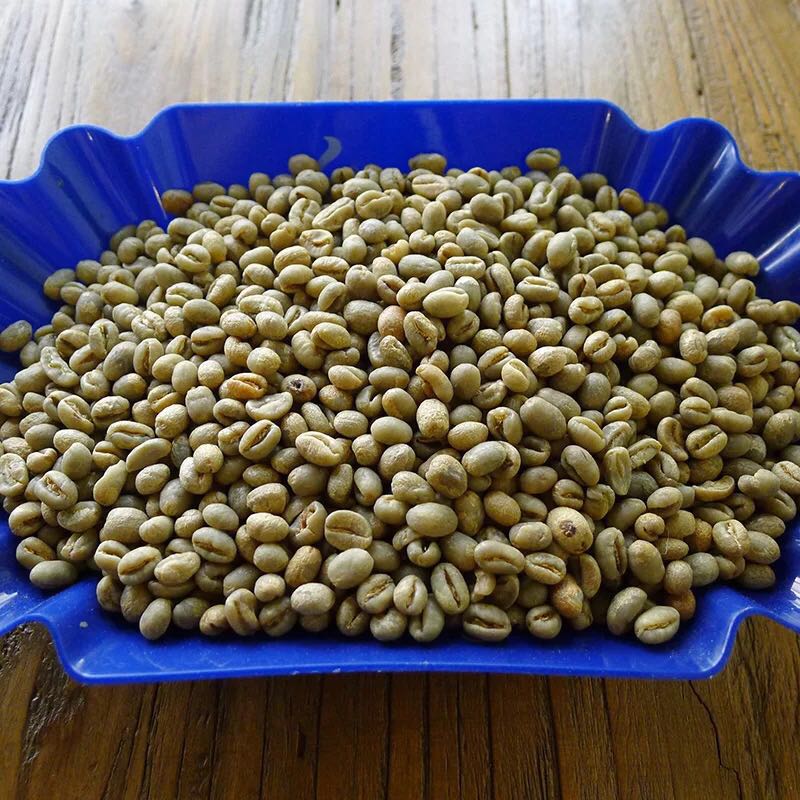
Indonesian coffee is known for its bold, syrupy body, low to medium acidity, and earthy or spicy flavors. Processing methods like wet hulling (especially in Sumatra) and extended storage create unique profiles not found in Latin American or African coffees.
Which Indonesian island produces the best coffee?
Sumatra (especially Mandheling), Java, and Sulawesi are most renowned. Sumatra offers heavy, herbal cups; Java provides balanced, aromatic Arabica; and Sulawesi delivers full-bodied, fragrant beans. Each island has distinct terroir and processing styles.
What is the most famous Indonesian coffee bean?
Mandheling is the most celebrated, often praised for its large beans and rich, full-bodied taste. Other notable beans include Java Arabica, Lintong Mandheling, and PWN Golden Mandheling.
Why is some Indonesian coffee aged or stored for long periods?
To replicate the aged flavor profiles once achieved during long sea voyages, Indonesia historically stored coffee beans for up to a year. This “aged” coffee, though not widely liked, is still sold under labels like Old Government and Old Java.
What processing method is common in Sumatra?
Sumatran coffee, particularly from Mandheling and Lintong, is processed using the wet-hulled (Giling Basah) method, which contributes to its heavy body and herbal, earthy flavors.
How is Indonesian coffee graded?
Indonesian coffee is graded into six levels, with AP as the highest grade. The exact meaning of “AP” is unspecified, but grading reflects bean size and quality.
Recommended FrontStreet Beans for Indonesian Coffee Lovers
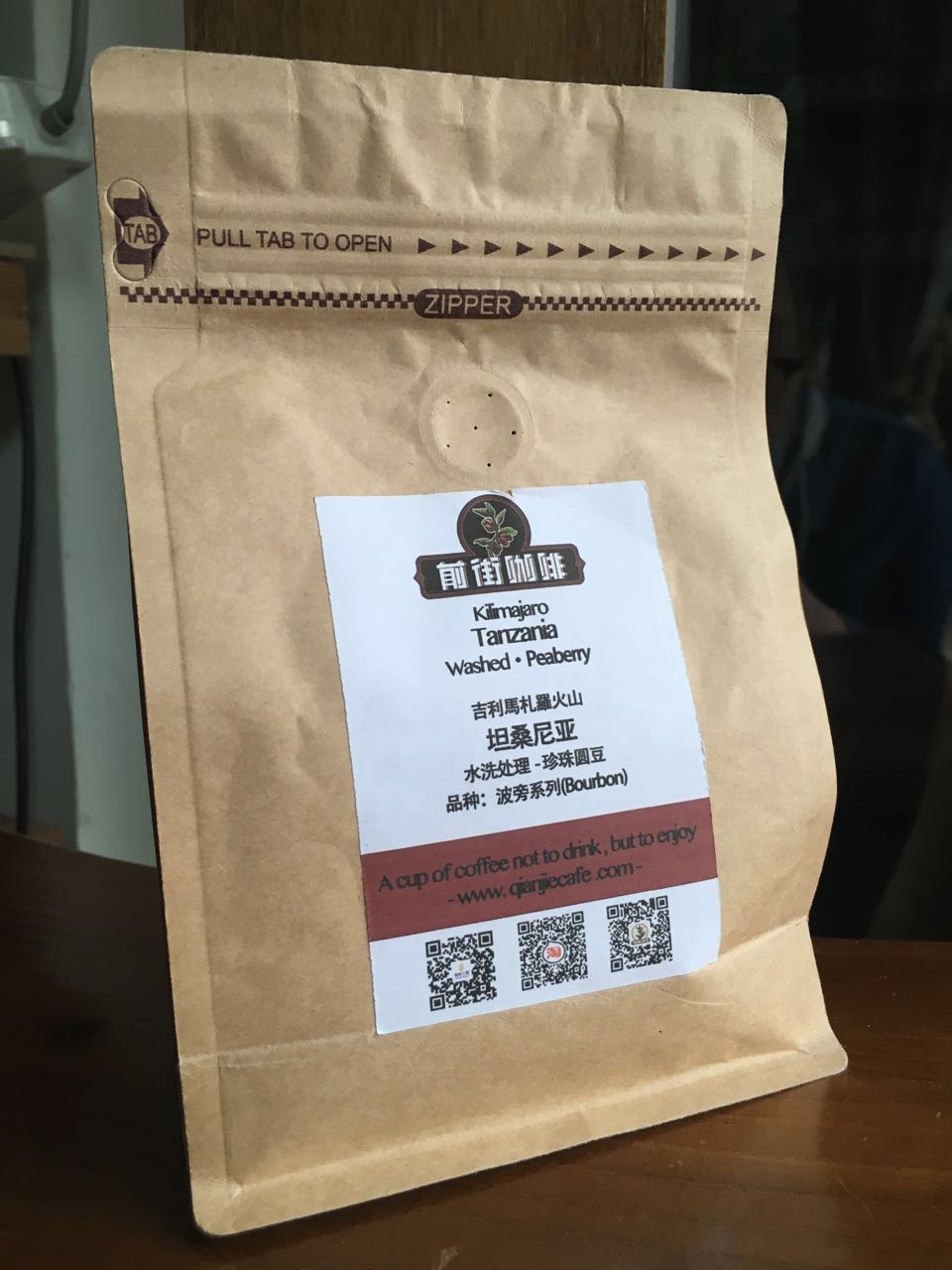
For a true taste of Indonesia, try FrontStreet Coffee’s Lintong Mandheling, with its spicy, black chocolate, and caramel notes, and a sweet finish. Their PWN Golden Mandheling is another standout—meticulously sorted for a toastier profile, featuring caramel, cocoa, and a lasting sweet aftertaste. Both beans showcase the bold, full-bodied character typical of Sumatran coffee. Freshly roasted within 5 days · Orders placed before 17:00 ship the same day · Next-day delivery across most of Guangdong Province.
FrontStreet Coffee is a long-established specialty coffee roaster in Guangzhou China, selling freshly roasted beans from its own farm in Yunnan as well as dozens of carefully selected single-origin beans from around the world for both pour-over and espresso. The products deliver consistently excellent quality and great value, with shipping within 24 hours. Guangzhou's FrontStreet Coffee shop is recommended by many coffee lovers, and the beans are now available online at the Tmall 。
Important Notice :
前街咖啡 FrontStreet Coffee has moved to new addredd:
FrontStreet Coffee Address: 315,Donghua East Road,GuangZhou
Tel:020 38364473