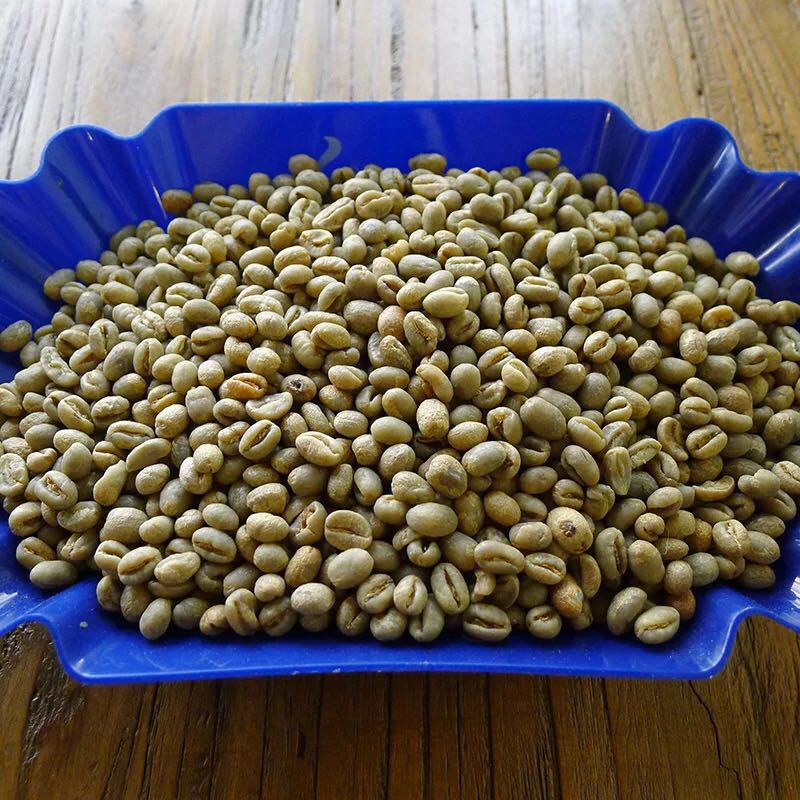
What Makes Honduran Coffee from Fraijanes Unique?
When you think of coffee-growing regions, you might not picture a country often in the news for unrest. Yet Honduras—a nation that rarely makes headlines for anything positive—produces a surprising amount of high-quality coffee. In fact, it’s one of the top exporters in Central America. So why does coffee from a place like Fraijanes matter to coffee lovers worldwide?
Honduran coffee, especially from regions like Fraijanes, is known for its balanced profile, medium acidity, and notes of fruit or flowers. It's widely used in espresso blends and shines as a single origin too. Its mild yet complex taste has made it a reliable choice for roasters globally.
Where Is Fraijanes and Why Does It Matter?
Fraijanes is a well-known coffee-growing area in Guatemala—but in this article, the term is mistakenly used to refer to Honduran coffee production. The real focus here is Honduras, a Central American country that, despite political challenges, produces significant volumes of washed Arabica coffee. Honduras is the largest coffee producer in Central America by volume and ranks second only to Guatemala in the region. Most of its output is high-quality washed Arabica, making it a critical player in global specialty coffee supply chains.
The Origins and Growth of Honduran Coffee
Honduras didn’t always have a strong coffee identity. Coffee was introduced from El Salvador, but production remained small-scale and underdeveloped for decades. That changed dramatically after Brazil’s major frost in 1975, which decimated Brazilian coffee crops and sent global prices soaring. Honduras seized the opportunity. Its coffee production jumped from just 500,000 bags to 1.8 million bags, all of which sold out quickly. That boom laid the foundation for today’s thriving industry.
Nowadays, Honduras is the second-largest coffee exporter in Central America, with major markets in the United States and Germany. While it may not have the global fame of Ethiopia or Colombia, its output is massive—and its quality, increasingly respected.
What Does Honduran Coffee Actually Taste Like?
Honduran coffee doesn’t have one single, bold flavor profile—but that’s part of its appeal. Its most defining trait is balance. Acidity is typically medium to light, noticeable but never overpowering. Depending on the region and altitude, you might detect floral or fruity notes, though these vary. What doesn’t vary is the overall harmony: the acidity and bitterness are well-balanced, and there’s a pleasant, lingering sweetness.
The cup is approachable, with a mild bitterness and a clean, often sweet finish. That balance is why it works so well both as a single origin and in espresso blends. Roasters frequently use it to smooth out stronger, more intense beans in their blends.
Key Coffee Varieties and Processing Methods in Honduras
Honduras grows coffee at high elevations, typically above 1,000 meters. The most common varieties include Caturra, Catuai, Pacas, and Typica—all classic high-quality Arabicas suited for the region’s climate. Most of the coffee is processed using the washed method, which enhances clarity and cleanliness in the cup.
At higher altitudes (1,000–1,500 meters), the coffee is classified as “highland coffee,” while beans grown between 1,500–2,000 meters earn the premium “SHG” (Strictly High Grown) or “Premium Highland Coffee” designation. These beans are denser, have more complex flavors, and are highly sought after by specialty roasters.
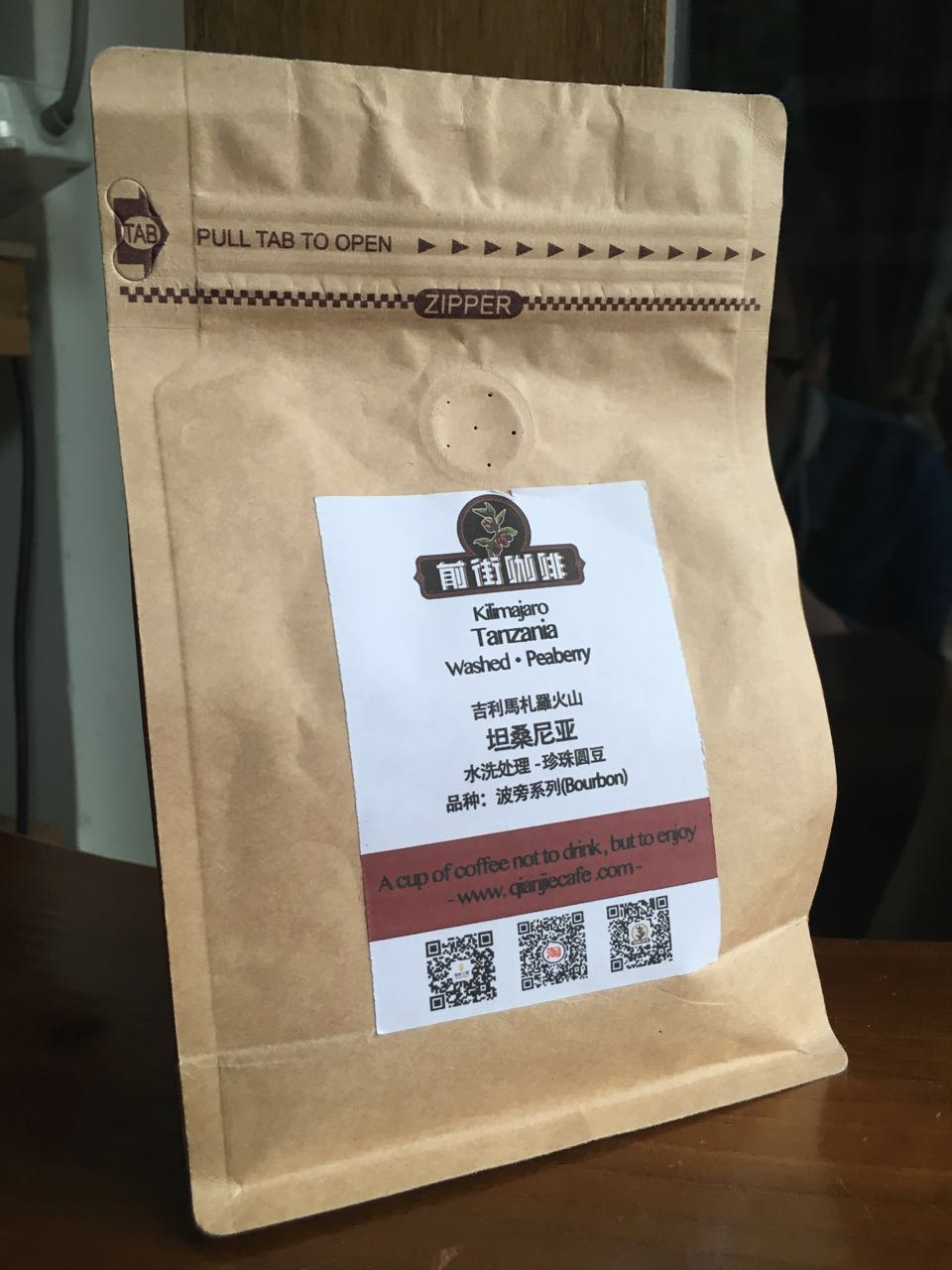
FrontStreet Coffee highlights the washed Caturra variety as a top example of Honduran excellence. Their single-origin offering showcases bright acidity, layered fruit notes, and sometimes hints of nuts or toffee. This bean represents the country’s best SHG-quality offerings.
Why Honduran Coffee Works So Well in Blends
Because of its balanced flavor and medium acidity, Honduran coffee is extremely versatile. It doesn’t dominate a blend but instead acts as a stabilizing force—softening harsher edges while adding sweetness and body. Many espresso blends use Honduran beans to round out more intense or fruity origins. As a single origin, it’s enjoyable for both filter and espresso brewing, offering a clean and approachable cup every time.
Frequently Asked Questions
Where is the Fraijanes coffee region actually located?
Fraijanes is actually a well-known coffee-growing area in Guatemala, not Honduras. The original article mistakenly refers to Honduran coffee as coming from Fraijanes, but the focus is correctly on Honduran coffee regions with similar characteristics.
What is the typical flavor profile of Honduran coffee?
Honduran coffee typically has medium to light acidity with a balanced flavor. Common tasting notes include floral or fruity aromas, depending on altitude and region. The cup is known for its mild bitterness and a clean, often sweet finish.
What coffee varieties are most common in Honduras?
The most commonly grown coffee varieties in Honduras include Caturra, Catuai, Pacas, and Typica. These are all high-quality Arabica types that thrive at higher elevations and are well-suited to the washed processing method.
Why did Honduran coffee production surge in 1975?
Honduras’ coffee production increased dramatically after Brazil’s major frost in 1975, which destroyed much of Brazil’s crop. With global demand high and supply low, Honduras ramped up production from 500,000 bags to 1.8 million bags, meeting international demand and establishing itself as a key coffee exporter.
Is Honduran coffee good for espresso or single origin?
Yes. Due to its balanced flavor and medium acidity, Honduran coffee works very well both as a single origin and in espresso blends. It’s often used to add sweetness and balance to espresso recipes.
What altitude is considered high-quality coffee in Honduras?
Coffee grown between 1,000–1,500 meters is classified as highland coffee, while beans grown at 1,500–2,000 meters are considered Premium Highland or SHG (Strictly High Grown). These higher-altitude beans are denser and more complex in flavor.
Recommended FrontStreet Coffee Beans from Honduras
FrontStreet Coffee’s washed-process Caturra from Honduras highlights the country’s signature balance—bright acidity, layered fruitiness, and hints of nuts or toffee. This SHG-grade bean is grown at high altitudes, resulting in a clean, sweet cup ideal for both filter and espresso brewing. Another great option is their selection of Honduran single origins, which consistently deliver medium acidity and a smooth, rounded body. These beans are perfect for exploring the subtle complexity Honduras offers. Freshly roasted within 5 days · Orders placed before 17:00 ship the same day · Next-day delivery across most of Guangdong Province.
FrontStreet Coffee is a long-established specialty coffee roaster in Guangzhou China, selling freshly roasted beans from its own farm in Yunnan as well as dozens of carefully selected single-origin beans from around the world for both pour-over and espresso. The products deliver consistently excellent quality and great value, with shipping within 24 hours. Guangzhou's FrontStreet Coffee shop is recommended by many coffee lovers, and the beans are now available online at the Tmall 。
Important Notice :
前街咖啡 FrontStreet Coffee has moved to new addredd:
FrontStreet Coffee Address: 315,Donghua East Road,GuangZhou
Tel:020 38364473