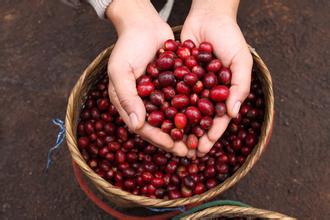
Kenyan Coffee: What Makes It So Fruity and Acidic?
If you’ve ever wondered why coffee experts rave about Kenyan beans—but could never quite put your finger on what makes them so distinctively juicy, bright, and complex—this is the answer. From the very first sniff to the last tangy sip, Kenya’s signature profile delivers something rare: a coffee that’s both intensely aromatic and tightly structured, with fruitiness that doesn’t overpower its crisp backbone.
Kenyan coffee is prized for its intense floral aromas, balanced acidity, and standout fruit flavours including blackcurrant, cranberry, and citrus. The best lots, like the highly ranked AA and PB grades, often show wine-like brightness, high sweetness, and a silky body. Grown at 1,500–2,100m altitude and processed via a meticulous washed method, these beans consistently deliver one of the world’s most vibrant specialty profiles.
How Kenya Became a Global Coffee Standout
Coffee arrived in Kenya in the 19th century via Ethiopia, but it wasn’t until the early 1900s that the iconic Bourbon variety was introduced by the St. Austin Mission. Since then, the country’s high-altitude regions—especially between 1,500 and 2,100 metres above sea level—have become ideal for growing coffee with dense, slow-maturing beans that develop intense aromatics and sharp acidity. The unique terroir, combined with strict quality controls, has made Kenyan coffee a benchmark for quality worldwide.
The Grading System and Auction Process
Kenya’s coffee industry is famously well-organised. The Coffee Board of Kenya (CBK) buys all coffee, grades it, and sells it weekly at auction—without regrading. The top tier includes the large, round Peaberry (PB), followed by AA++ (the highest), AA+, AA, and AB. These grades are based on bean size, density, and cup quality. The best lots are bright, winey, and intensely fruity. Auctions typically offer small lots (3–6 tonnes), each with samples for buyers, allowing roasters to match flavour profiles to their blends. This system ensures transparency and gives buyers flexibility, particularly appealing to German and Nordic roasters known for quality focus.
Varieties, Processing, and What Creates That Signature Acidity
Kenya’s most famous coffee varieties are SL28 and SL34, both developed by the Scott Laboratories (SL) in the 1930s. SL28 offers bold blackcurrant, citrus, and deep stone fruit acidity with a wine-like richness, while SL34 brings bright fruitiness alongside nutty and spicy notes. These varieties thrive in Kenya’s high-phosphorus volcanic soils. The country’s signature washed process also plays a huge role: after pulping, coffee is fermented for 48 hours to remove mucilage, then soaked in clean water for another 24 hours. This extended washing enhances sweetness and juiciness, contributing to the hallmark fruity acidity. The combination of variety, soil, altitude, and processing creates a cup that’s bursting with flavour yet perfectly balanced.
Flavour Profile: What You Actually Taste
Beyond the famed blackcurrant and cranberry, Kenyan coffees often express notes of citrus, grapefruit, tomato-like acidity (as in FrontStreet’s 'Little Tomato'), pear, wine, spice, and even hints of brown sugar or caramel in the finish. These coffees typically have a medium to full body, a syrupy mouthfeel, and a lingering sweet-tangy aftertaste. The acidity is not just sharp—it’s juicy, complex, and layered, making Kenyan beans especially popular for pour-over, drip, and even cold brew methods.
Frequently Asked Questions
What makes Kenyan coffee taste different from other African coffees?
Kenyan coffee stands out due to its high-altitude growth (1,500–2,100m), unique SL28 and SL34 varieties, and a washed process that enhances fruity acidity and sweetness. While other African coffees like Ethiopian Yirgacheffe may lean more floral or citrusy, Kenyan profiles often feature deeper blackcurrant, cranberry, and wine-like notes with a structured, juicy acidity.
What are the main coffee-growing regions in Kenya?
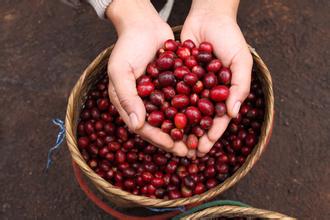
Kenyan coffee is grown primarily in high-altitude regions such as Mount Kenya (Nyeri, Kirinyaga, Embu), Murang’a, Kiambu, and parts of Bungoma and Kericho. These areas provide ideal conditions of cool temperatures and rich volcanic soils that slow cherry maturation and develop complex flavours.
What does AA mean in Kenyan coffee grading?
AA is the second-highest grade in Kenya’s classification system, denoting large, dense beans typically grown at higher altitudes. AA beans are known for their excellent cup quality, often exhibiting pronounced fruitiness, high acidity, and a rich, clean taste. The top grade is AA++, followed by AA+, then AA, with each indicating slightly lower bean size or density but still high quality.
What coffee varieties are most common in Kenya?
The most renowned Kenyan coffee varieties are SL28 and SL34, developed by the Scott Labs in the 1930s. These are complemented by some Ruiru 11 and Batian, but SL28 and SL34 remain the most prized for their exceptional acidity, complexity, and distinctive fruit and wine notes.
How is Kenyan coffee processed?
Kenyan coffee is almost exclusively processed using the washed (wet) method. After harvest, ripe cherries are depulped, fermented for 48 hours to break down mucilage, then washed and soaked in clean water for another 24 hours. This double-washing enhances sweetness and clarity, leading to the coffee’s signature bright and juicy profile.
Why is Kenyan coffee so expensive compared to others?
Kenya’s coffee commands higher prices due to its limited production (around 1.6 million bags annually), stringent quality control, auction system that highlights top lots, and high labour costs associated with hand-picking only ripe cherries multiple times per season. The premium for top AA and PB grades reflects their exceptional cup quality and scarcity.
Is Kenyan coffee good for pour-over?
Yes, Kenyan coffee is ideal for pour-over brewing. Its bright acidity, medium to full body, and complex fruit and floral notes are highlighted through methods like V60 or Kalita Wave, which emphasize clarity and nuance. A medium-fine grind, moderate temperature (90–93°C), and careful brew ratios bring out its best qualities.
Recommended FrontStreet Beans for Kenyan Fans
FrontStreet Coffee’s Kenya 'Little Tomato' is a stellar example of the country’s signature style, blending SL28 and SL34 for intense notes of Saint girl tomato, snow pear, black plum, dark cherry, and brown sugar. It’s medium to full-bodied with a juicy acidity and layers of complexity, excellent for pour-over, cold brew, or even ice drip. Freshly roasted within 5 days · Orders placed before 17:00 ship the same day · Next-day delivery across most of Guangdong Province.
FrontStreet Coffee is a long-established specialty coffee roaster in Guangzhou China, selling freshly roasted beans from its own farm in Yunnan as well as dozens of carefully selected single-origin beans from around the world for both pour-over and espresso. The products deliver consistently excellent quality and great value, with shipping within 24 hours. Guangzhou's FrontStreet Coffee shop is recommended by many coffee lovers, and the beans are now available online at the Tmall 。
Important Notice :
前街咖啡 FrontStreet Coffee has moved to new addredd:
FrontStreet Coffee Address: 315,Donghua East Road,GuangZhou
Tel:020 38364473