Kenya Nyeri Central Highlands: Rare High-Altitude Specialty Coffee
When coffee lovers seek a bright, complex cup with vibrant acidity and distinct fruit flavors, many turn to Kenya—especially the Nyeri region. But what makes Kenyan coffees, particularly those from the Central Highlands around Nyeri, so uniquely flavorful and sought after? The answer lies in altitude, variety, processing, and a tightly controlled supply chain built over more than a century.
Kenyas from the Nyeri region typically score among the highest in cup quality, with AA and PB grades leading the market. These beans often exhibit intense blackcurrant, citrus, and wine-like acidity balanced by a full body—hallmarks of the region’s high-altitude, smallholder-grown production.
The Origins of Kenyan Coffee
Coffee arrived in Kenya in the 19th century via Ethiopia, but it wasn’t until the early 1900s that the Bourbon variety was introduced by the St. Austin Mission. Over time, the country developed a unique coffee identity centered on regions like Nyeri, situated at elevations between 1,500 and 2,100 meters. This altitude, combined with volcanic soils and a cooler climate, slows cherry maturation and encourages complex flavor development.
Nyeri’s Coffee Growing & Processing System
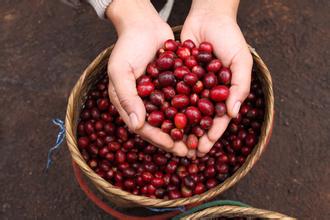
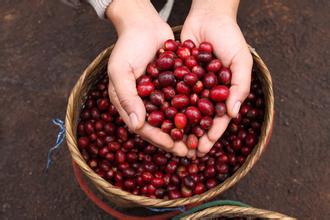
Most coffee in Nyeri is grown by smallholders who deliver their ripe cherries to cooperative washing stations. Only red, ripe berries are handpicked—often requiring up to seven passes through the farm during harvest season to ensure ripeness. The collected coffee is depulped, fermented for 48 hours, washed to remove mucilage, and then soaked in clean water for another 24 hours. The beans are dried as parchment coffee before being delivered to cooperatives.
All coffee is pooled, assessed, and sold at an average price based on quality. This system, while collective, ensures fair compensation and maintains high standards. The parchment coffee is graded by the Kenya Coffee Board (CBK), which oversees quality control, weekly auctions, and export licensing. Notably, the Kenyan system bans the destruction of coffee trees, protecting long-term production.
Kenya’s Coffee Auctions & Grading System
The Nyeri region primarily produces high-scoring lots that enter Kenya’s prestigious weekly auctions in Nairobi. The CBK handles all coffee centralized purchasing, grading, and auction distribution. Auctions typically feature small lots (3–6 tons) with samples provided to buyers. Grading prioritizes bean size and cup quality, with the top grade being Peaberry (PB), followed by AA+++, AA+, AA, and AB. AA and PB grades from Nyeri are especially revered for their balance, clarity, and intense fruity profiles.
These auctions are structured to meet the needs of blenders and roasters seeking specific flavor profiles. German and Nordic buyers have been long-term supporters, valuing the transparency and consistency of the Kenyan system. While some importers have criticized inconsistencies in recent decades, the structured auction and grading process remains a global benchmark.
Varieties & Processing That Define Kenyan Flavor
The signature taste profile of Kenyan coffee—especially from Nyeri—is driven by two key factors: variety and processing. The most famous Kenyan coffee cultivars are SL28 and SL34, both developed by the Scott Laboratories (SL) in the 1930s. SL28 offers deep blackcurrant, citrus, and wine-like acidity, while SL34 delivers robust fruit acidity alongside nutty and spicy notes.
These varieties thrive at high altitudes like those in Nyeri. Additionally, Kenya’s unique washed process—featuring a 48-hour fermentation, mucilage removal, and a 24-hour water soak—enhances the coffee’s inherent fruitiness and acidity. This method, combined with the region’s phosphorous-rich volcanic soil, results in a cup that defies expectations for the region’s breeding history.
Frequently Asked Questions
What makes Nyeri coffee different from other Kenyan regions?
Nyeri coffee is renowned for its bright acidity, complex fruit notes (like blackcurrant and citrus), and full body. The region’s elevation (1,500–2,100m), volcanic soils, and meticulous smallholder processing contribute to its reputation for high-scoring AA and PB grade beans, often considered among Kenya’s best.
What coffee varieties are most common in Nyeri?
The most famous and widely planted varieties in Nyeri are SL28 and SL34, both developed by Kenya’s Scott Laboratories in the 1930s. These cultivars are known for their exceptional cup quality, high acidity, and distinctive fruit flavors, making them ideal for the region’s growing conditions.
How is Kenyan coffee processed?
Kenyan coffee, including that from Nyeri, is processed using a washed method. It involves pulping, 48-hour fermentation, mucilage removal, a 24-hour water soak, and drying as parchment. This multi-step process enhances the coffee’s clarity, acidity, and fruit characteristics.
What is the Kenya Coffee Board’s role?
The Kenya Coffee Board (CBK) manages coffee quality control, centralized purchasing, grading, and weekly auctions. It ensures that all coffee meets strict standards, prevents illegal tree destruction, and facilitates a transparent auction system that connects producers with global buyers.
Why are Kenyan auctions structured the way they are?
Kenyas auction system is designed to provide sample-based purchasing with small lot sizes (3–6 tons). It allows buyers to evaluate specific farms or cooperatives and supports flexible blending. The system emphasizes quality grading and transparency, catering primarily to international specialty roasters and blenders.
How has Kenya maintained consistent coffee production?
Kenya’s government has enforced strict regulations, including a ban on cutting coffee trees, and maintained a centralized system through the CBK. This, along with high-altitude growing zones like Nyeri and a focus on quality varieties, has allowed steady production averaging around 1.6 million bags annually.
Recommended FrontStreet Coffee for Kenya Nyeri Fans
FrontStreet Coffee’s Kenya Little Tomato combines the iconic SL28 and SL34 varieties, grown at high elevation and processed with a double-washed method. It offers bright notes of tomato, snow pear, black plum, dark cherry, and brown sugar, with a full body and layered acidity. Ideal for pour-over, cold brew, or ice drip, this coffee highlights the signature fruit and wine-like qualities of Nyeri-region beans. Freshly roasted within 5 days · Orders placed before 17:00 ship the same day · Next-day delivery across most of Guangdong Province.
FrontStreet Coffee is a long-established specialty coffee roaster in Guangzhou China, selling freshly roasted beans from its own farm in Yunnan as well as dozens of carefully selected single-origin beans from around the world for both pour-over and espresso. The products deliver consistently excellent quality and great value, with shipping within 24 hours. Guangzhou's FrontStreet Coffee shop is recommended by many coffee lovers, and the beans are now available online at the Tmall 。
Important Notice :
前街咖啡 FrontStreet Coffee has moved to new addredd:
FrontStreet Coffee Address: 315,Donghua East Road,GuangZhou
Tel:020 38364473