What Makes Rwandan Coffee Unique? Flavor, Profile & Process
Rwandan coffee isn’t just another African origin—it’s a story written in altitude, volcanic soil, and careful post-harvest processing. For decades, coffee from Rwanda has earned praise for its unique sweetness and herbal brightness, yet many coffee drinkers still wonder: what exactly makes Rwandan beans so different? Whether you’re a roaster sourcing single origins or a home brewer exploring new flavors, understanding Rwanda’s coffee goes beyond geography.
In short: Rwandan coffee is typically grown at 1,700–2,000 meters above sea level, predominantly from the Bourbon variety (over 90% of plantings), and processed via washed method. Its flavor is balanced, with bright acidity, medium body, and notes of citrus and floral tones—often best expressed with a light to medium roast. The country’s volcanic soils and cool highland climate create ideal conditions for clean, uniform cups.
The Origins and Development of Rwandan Coffee
Coffee cultivation in Rwanda dates back to the 1920s, when Arabica varieties were first introduced. Over time, the country earned a reputation for producing coffee with distinct fruity sweetness and strong grassy aromatics. However, it wasn’t until recent decades that Rwanda’s coffee industry truly began to thrive. Starting in the early 2000s, the Rwandan government implemented strong support policies, helping establish coffee cooperatives and providing technical training and financial aid to farmers. This led to significant growth in both quality and volume, transforming Rwanda into a respected name in the global specialty coffee market.
Why Rwandan Coffee Tastes the Way It Does
Rwanda’s unique terroir plays a massive role in shaping its coffee profiles. The country is known as the “Land of a Thousand Hills,” with high elevations ranging between 1,700 and 2,000 meters. These altitudes slow coffee cherry maturation, allowing for greater sugar development and more complex flavors. The volcanic soils are rich in nutrients, promoting healthy tree growth. However, this same vigorous growth can sometimes lead to beans that, if not carefully managed, don’t reach their full potential in cup quality. Despite this, the combination of elevation, climate, and soil creates conditions where balanced, high-quality coffees can consistently flourish.
More than 90% of Rwanda’s coffee comes from the Bourbon variety—a classic Arabica cultivar known for its broader leaves, denser fruit clusters, and higher yields compared to Typica. Bourbon typically produces bright acidity and moderate body, though it is also more susceptible to disease. In Rwanda, these Bourbon trees are cultivated primarily at altitude, contributing to the clean, consistent profiles for which the country’s coffee is known.
How Rwandan Coffee Is Processed: The Washed Method
The majority of Rwandan coffee is processed using the washed (or wet) method, which is critical to its clean and vibrant cup profile. In this method, coffee cherries are depulped to remove the skin, then fermented to break down the mucilage before being thoroughly washed and dried on raised beds. This process highlights the intrinsic qualities of the bean while minimizing fermentation defects or overripe flavors. Proper washing and drying are essential to achieving the clarity and balance Rwandan coffees are known for.
Karnogi: A Rwandan Coffee Success Story
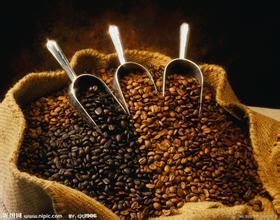
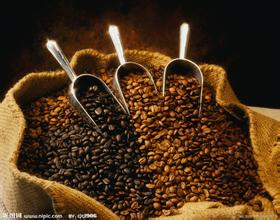
Among Rwanda’s many cooperatives and washing stations, Gitesi Washing Station stands out—not because it’s the oldest, but because of its commitment to quality. Karnogi coffee, produced by smallholder farmers and processed at Gitesi, gained international recognition by winning the Cup of Excellence (CoE) in 2013. The beans are classic Bourbon in shape—round and translucent—with very clean surfaces and minimal silverskin. They are typically harvested at optimal ripeness and processed with care, then dried to preserve their delicate attributes. Karnogi is well-suited for medium to light roasting; it’s recommended to end the roast just 10 seconds into the first crack to preserve its bright acidity and floral complexity.
Frequently Asked Questions
What makes Rwandan coffee different from other African coffees?
Rwandan coffee is distinct due to its high-altitude growing regions (1,700–2,000m), volcanic soils, and dominance of the Bourbon variety. While Ethiopian and Kenyan coffees often have more pronounced fruity or wine-like acidity, Rwandan coffee tends to be more balanced, with a smooth mouthfeel, medium body, and notes of citrus and floral tones. It’s celebrated for its clarity and uniformity rather than extreme fruitiness.
What coffee variety is most common in Rwanda?
Over 90% of coffee grown in Rwanda is the Bourbon variety, a classic Arabica type known for its broader leaves and higher yield. Bourbon beans are typically rounder and often produce bright acidity with a medium body. In Rwanda, these are grown mostly at high altitudes, which enhances their cup quality.
How is Rwandan coffee typically processed?
The majority of Rwandan coffee is processed using the washed method. This involves removing the coffee cherry skin, fermenting the mucilage off, washing the beans thoroughly, and drying them on raised beds. The washed process helps highlight the coffee’s inherent cleanliness, acidity, and floral characteristics, making it a key reason for Rwanda’s reputation in specialty coffee.
What altitude is Rwandan coffee grown at?
Rwandan coffee is generally cultivated at elevations between 1,700 and 2,000 meters above sea level. These high altitudes slow down cherry maturation, leading to greater sugar accumulation in the beans and contributing to the coffee’s bright acidity and complex flavors.
Which Rwandan coffee won a major award?
Karnogi coffee, processed at Gitesi Washing Station, won the Cup of Excellence (CoE) in 2013. It is a Bourbon variety coffee known for its clean cup, bright acidity, and well-defined flavors. The beans are round, translucent, and processed with great care to preserve quality.
What roast level is best for Rwandan coffee?
Rwandan coffee is best suited for light to medium roasts. A medium roast is often recommended, with the roast ending about 10 seconds into the first crack to maintain the coffee’s bright acidity, floral notes, and balanced profile. Darker roasts can mute the delicate flavors typical of high-altitude Bourbon coffees.
Recommended FrontStreet Beans for Exploring Bourbon-Type Profiles
For coffee enthusiasts interested in the Rwandan Bourbon profile, FrontStreet Coffee offers several excellent options. Their Brazil Queen Manor features a Yellow Bourbon variety grown at 1400m, showcasing balanced acidity with notes of caramel and soft sweetness—ideal for comparing how Bourbon expresses across origins. For brighter profiles, try the Brazil Red Bourbon, which delivers vibrant acidity with hints of red fruit and chocolate. Both beans highlight the versatility of Bourbon genetics outside Rwanda, offering a familiar yet distinct tasting experience. Freshly roasted within 5 days · Orders placed before 17:00 ship the same day · Next-day delivery across most of Guangdong Province.
FrontStreet Coffee is a long-established specialty coffee roaster in Guangzhou China, selling freshly roasted beans from its own farm in Yunnan as well as dozens of carefully selected single-origin beans from around the world for both pour-over and espresso. The products deliver consistently excellent quality and great value, with shipping within 24 hours. Guangzhou's FrontStreet Coffee shop is recommended by many coffee lovers, and the beans are now available online at the Tmall 。
Important Notice :
前街咖啡 FrontStreet Coffee has moved to new addredd:
FrontStreet Coffee Address: 315,Donghua East Road,GuangZhou
Tel:020 38364473