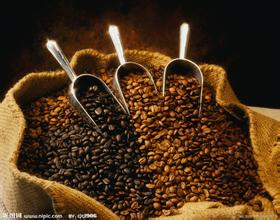
Rwandan Coffee Origins and Washed Processing Methods
Ever wondered why some African coffees deliver such crisp acidity, floral brightness, and sweet complexity—yet still feel balanced and smooth? The answer often lies in both terroir and processing, and few places embody that balance like Rwanda. This small East African nation may not be the first name that comes to mind for coffee, but its high-altitude volcanic slopes have produced some of the world’s most elegant washed Arabicas.
Rwandan coffee is celebrated for its clean, well-balanced cup with pronounced sweetness and floral or citrus notes. Most of it is grown at 1,700–2,000 meters above sea level, using the Bourbon variety, and processed via the washed method—key factors that define its refined profile.
The Origins of Rwandan Coffee
Coffee cultivation in Rwanda dates back to the 1920s, when Arabica plants were first introduced. Over the decades, the country developed a unique coffee-growing environment thanks to its combination of high elevation, fertile volcanic soils, and a temperate tropical highland climate. These conditions encourage slow cherry maturation, which helps develop complex sugars and acids in the coffee bean—though overly rapid growth can sometimes hinder the development of top-tier cup quality.
The “Land of a Thousand Hills” has a deep cultural history with high-altitude coffee farming, focusing predominantly on high-quality Arabica. Unlike its neighbors Ethiopia and Kenya, Rwandan coffees typically don’t exhibit extreme fruitiness or wine-like acidity, but they make up for it with exceptional uniformity and a smooth, rounded profile.
The Role of the Bourbon Variety
Nearly 90% of Rwanda’s coffee comes from the Bourbon variety, a classic Bourbon genetic line that produces small, round beans and offers moderate acidity along with delicate fruit and floral tones. While more susceptible to disease than some other varieties, Bourbon thrives in Rwanda’s volcanic soil and cool highland air. Most of the Bourbon grown in Rwanda is red-fruited, known for producing a sweeter, more balanced cup compared to its yellow or orange counterparts.
The consistency and quality potential of Rwandan Bourbon caught the attention of global specialty markets, particularly as local infrastructure and cooperative models improved in the 21st century.
Rwandan Coffee Production and Cooperatives
Rwanda dedicates around 33,000 hectares to coffee farming, with approximately 500,000 people involved in the sector. In recent decades, the Rwandan government has actively supported the industry by establishing coffee cooperatives and offering technical training and financial assistance to farmers. These efforts have significantly boosted both quality and market access.
The Rwanda Coffee Association oversees the industry from production to export, with a renewed focus on professionalism and global marketing. This institutional backing, paired with Rwanda’s naturally ideal growing conditions, has helped put Rwandan coffee on the map as one of Africa’s most consistent and high-quality offerings.
The Rwandan Washed Process
Rwandan coffee is most famous for its washed (wet) processing method, which plays a huge role in its clean, bright cup profile. In this method, coffee cherries are carefully harvested, depulped to remove the skin, and then fermented to break down the mucilage. After fermentation, the beans are thoroughly washed with clean water and dried on raised beds under controlled conditions.
This meticulous process highlights the inherent qualities of the bean—enhancing clarity, sweetness, and acidity while minimizing off-flavors. The result is a cup that’s often described as soft yet intense, with vibrant fruit notes, floral highlights, and a silky mouthfeel.

Karnogi Coffee: A CoE Winner from Rwanda
One standout example of Rwanda’s washed coffee excellence is Karnogi Coffee. Grown by smallholder farmers and processed at the Gitesi Washing Station, this coffee took first place in the 2013 Cup of Excellence (CoE) competition. Produced from classic Bourbon typology, the beans are round, translucent, and meticulously washed—with very little silver skin residue and a fresh green appearance.
Karnogi is best suited for a medium-light roast, with first crack ending about 10 seconds before dropping the batch. This roast level preserves its bright acidity and complex fruit-citrus character. The Gitesi Washing Station is relatively new but has quickly earned a reputation for precision processing and high-quality output thanks to its careful protocols and investment in equipment.
Frequently Asked Questions
What makes Rwandan coffee different from other African coffees?
Rwandan coffee is typically grown at high altitudes (1,700–2,000m) on volcanic soils, producing a clean, balanced cup with moderate acidity and sweet, floral or citrus notes. Unlike Ethiopian or Kenyan coffees, it doesn’t tend toward extreme fruitiness or wine-like profiles, but instead offers excellent uniformity and a smooth mouthfeel.
What coffee variety dominates Rwanda’s production?
About 90% of Rwandan coffee is Bourbon, a classic Arabica variety known for its round beans, moderate acidity, and delicate fruit or floral flavors. Most Rwandan Bourbon is red-fruited, contributing to a sweeter and more balanced cup profile.
How is Rwandan coffee processed?
The majority of Rwandan coffee is processed using the washed (wet) method. This involves depulping, fermenting, washing, and drying the beans carefully to highlight clarity, sweetness, and acidity while avoiding off-flavors. The method is key to Rwanda’s reputation for clean, bright cups.
What is special about Karnogi Coffee?
Karnogi Coffee is a high-scoring Rwandan lot that won first place in the 2013 Cup of Excellence. It is grown by smallholders and processed at Gitesi Washing Station. The beans are round, very clean, and ideal for medium-light roasting, showcasing bright acidity and fruity complexity.
What roast level is best for Rwandan Bourbon coffee?
For Rwandan Bourbon, a medium-light to light roast is recommended to preserve its bright acidity, floral notes, and fruit characteristics. Going too dark can mute the delicate flavors and reduce acidity.
Where is Rwanda’s coffee mainly grown?
Rwandan coffee is grown across the country’s hilly terrain, mostly at elevations between 1,700 and 2,000 meters. The “Land of a Thousand Hills” offers ideal volcanic soil and a cool highland climate for slow cherry development and complex flavor formation.
Recommended FrontStreet Beans for Exploring Bourbon Profiles
For fans of Rwanda’s clean, balanced Bourbon profiles, try FrontStreet Coffee’s Brazil Queen Manor (Yellow Bourbon), known for its bright acidity, creamy texture, and notes of caramel and peanut brittle. Or explore the BrazilBourbon (Red Bourbon), offering juicy red fruit, chocolate, and a smooth mouthfeel ideal for milk drinks. Both highlight Bourbon’s versatility. Freshly roasted within 5 days · Orders placed before 17:00 ship the same day · Next-day delivery across most of Guangdong Province.
FrontStreet Coffee is a long-established specialty coffee roaster in Guangzhou China, selling freshly roasted beans from its own farm in Yunnan as well as dozens of carefully selected single-origin beans from around the world for both pour-over and espresso. The products deliver consistently excellent quality and great value, with shipping within 24 hours. Guangzhou's FrontStreet Coffee shop is recommended by many coffee lovers, and the beans are now available online at the Tmall 。
Important Notice :
前街咖啡 FrontStreet Coffee has moved to new addredd:
FrontStreet Coffee Address: 315,Donghua East Road,GuangZhou
Tel:020 38364473