Papua New Guinea Coffee Farms: What Makes Them Unique
When you taste a truly unique coffee—something bright, fruity, and yet deeply structured—you might wonder where it came from. One lesser-known origin that consistently punches above its weight is Papua New Guinea. Most people haven’t heard of its smallholder farms or remote mountain plots, but those very factors contribute to the country’s distinctive cup profile.
Papua New Guinea grows nearly all its coffee—about 75%—on small local farms, typically at elevations between 1,300 and 1,800 metres. That altitude, combined with organic practices and shade growing, creates a niche origin with real potential.
Smallholder Roots and Remote Highlands
In Papua New Guinea, around 75% of coffee is produced by small-scale local farms. Many of these farms are carved out of forested areas, with some located deep in isolated jungle regions. The country’s coffee is almost exclusively cultivated at elevations between 1,300 and 1,800 metres above sea level, conditions that naturally support high-quality beans. Low-elevation coffee does exist, but it’s rare and contributes minimally to overall production. Due to transportation difficulties and high costs, most farmers rely on natural growing methods rather than synthetic fertilizers or pesticides.
The Role of Coffee in the National Economy
Coffee plays a vital role in Papua New Guinea’s economy. Over one million people are either directly or indirectly employed in the sector. The national Coffee Industry Board, headquartered in Goroka on the eastern side of the island, oversees production standards. While the Board sets guidelines, actual exports are handled by private companies. This division helps maintain a degree of quality control while enabling market flexibility.
The 1975 Freeze and the Birth of Plantations
The global coffee landscape shifted dramatically after the 1975 frost that devastated Brazil’s crop. In response, the Papua New Guinea government launched a program to help rural communities and collective landowners establish coffee plantations of roughly 20 hectares each. By 1990, this initiative had helped boost annual production to one million 60kg bags. These plantations brought coffee farming into the economic mainstream—but also introduced challenges.
Quality Collapse and Market Loss
With rapid production growth came a decline in overall quality. Until 1991, much of PNG’s output was decent, mostly graded as Y grade. But shortly after, quality dropped noticeably, leading to a loss of key European markets. The existing pricing model—a 'one grade, one price' policy—meant low-quality beans dragged down the reputation of higher-grade coffees like Y grade. This policy simply didn’t work for an agricultural product as variable as coffee. Poor beans tarnished the image of Y grade, creating oversupply and market rejection.
Rebuilding Quality Standards
To address the crisis, the government introduced new quality grades, temporarily suspended Y grade production, and abandoned the one-size-fits-all pricing strategy. This allowed buyers to pay based on actual bean quality, though it also reduced income for farmers producing lower-grade lots. By 1993, the strategy began to work: quality improved and most former buyers returned. Y grade coffee was reintroduced at a slightly lower premium, reflecting its regained stability and better consistency.
What You’ll Typically Find in PNG Coffee
Papua New Guinea’s mountainous terrain and island climate mean coffee thrives best at higher altitudes. While some regions produce vigorous trees, inconsistencies in harvesting often lead to uneven ripeness and bean size. As a result, AA-grade beans are rare. Most available lots are graded A or AB. A-grade beans are especially valued: they have full bodies, mild acidity, and a lingering, satisfying aftertaste. The country’s coffee is typically Typica, originally brought from Jamaica’s Blue Mountains, and well-suited to the high-altitude, volcanic soil conditions.
Coffee in PNG is grown using organic principles and shaded cultivation. These practices, along with traditional washed processing, result in a cup that’s remarkably different from other Asian-origin coffees. Rather than earthy or spicy profiles, PNG coffees often show bright acidity, fruity sweetness, and floral notes—more akin to classic South American profiles. That makes them an approachable choice for coffee drinkers exploring beyond the usual origins.
The Geography Behind the Beans
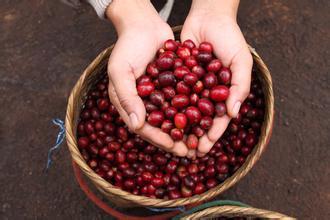
The island of New Guinea, split between Indonesia and Papua New Guinea, features highlands with volcanic soils and elevations between 1,200 and 2,500 metres. The east—Papua New Guinea—has a hot, humid tropical climate with cooler temperatures at elevation and heavy winter rains. These environmental factors, along with the island’s isolation, create ideal conditions for specialty coffee production. Most of the coffee is grown organically and under shade, further enhancing cup quality.
Frequently Asked Questions
Where is Papua New Guinea coffee grown?
Papua New Guinea coffee is grown almost entirely on small farms in the country’s highland regions, at elevations between 1,300 and 1,800 metres. The rugged terrain includes forested and isolated areas, with volcanic soils and a humid tropical climate influencing the crop’s characteristics.
What coffee varieties are grown in Papua New Guinea?
Most coffee in Papua New Guinea is Typica, originally introduced from Jamaica’s Blue Mountains. This variety has adapted well to the island’s high altitudes, volcanic soils, and climate, producing coffees with distinct brightness and structure.
Why did PNG coffee quality decline in the 1990s?
After a government-backed push to expand production in the 1980s, coffee output surged but quality dropped. The existing 'one grade, one price' system couldn’t differentiate between high and low quality, leading to market rejection, especially from Europe, and a damaged reputation for once-respected Y grade coffee.
How did Papua New Guinea fix its coffee quality issues?
In response to falling quality and market losses, the government created new grading standards, paused Y grade production, and moved away from a uniform pricing model. Buyers began paying for actual quality, which encouraged better farming practices and helped restore the country’s standing by 1993.
What does PNG coffee taste like?
Papua New Guinea coffee typically offers a full body, mild acidity, and a sweet, lingering finish. Flavour notes often include fruity, floral, and nutty tones, with a profile closer to South American coffees than the earthy or spicy notes common in other Asian-origin beans.
What’s the typical coffee grade in PNG?
While AA grade exists, it’s rare. Most exported coffee is graded A or AB. A-grade beans are especially prized for their balance, mild acidity, and pleasant aftertaste. These grades reflect the country’s focus on consistent, high-quality lots despite challenges in harvesting and processing.
Recommended FrontStreet Beans from Papua New Guinea
Try FrontStreet’s (Bird of Paradise), a single-origin coffee from PNG’s Sigris Estate. It’s carefully handpicked, wet-processed with pure spring water, and sun-dried to highlight its natural brightness. Expect a cup with toast-like sweetness, nutty depth, and a unique spicy finish. It’s medium roasted to enhance balance, with fruity highlights and a clean, sweet aftertaste. Freshly roasted within 5 days · Orders placed before 17:00 ship the same day · Next-day delivery across most of Guangdong Province.
FrontStreet Coffee is a long-established specialty coffee roaster in Guangzhou China, selling freshly roasted beans from its own farm in Yunnan as well as dozens of carefully selected single-origin beans from around the world for both pour-over and espresso. The products deliver consistently excellent quality and great value, with shipping within 24 hours. Guangzhou's FrontStreet Coffee shop is recommended by many coffee lovers, and the beans are now available online at the Tmall 。
Important Notice :
前街咖啡 FrontStreet Coffee has moved to new addredd:
FrontStreet Coffee Address: 315,Donghua East Road,GuangZhou
Tel:020 38364473