Papua New Guinea Coffee: Nutty, Caramel, Low-Acid Profile
Ever wonder why some single-origin coffees taste nutty, sweet, and surprisingly smooth—without sharp acidity? Papua New Guinea coffee often delivers just that: a clean, well-structured cup with flavors reminiscent of toasted grains and caramel, yet without the heavy brightness you might expect from high-elevation beans. The secret lies in where and how it’s grown, and who processes it.
If you’re after a straightforward, easy-drinking specialty coffee with mild acidity, balanced sweetness, and a full body, Papua New Guinea beans—especially A and AB grades—are a reliable choice. They typically present notes of nuts and cane sugar, with a heavier mouthfeel and gentle acidity.
Where Papua New Guinea Coffee Comes From
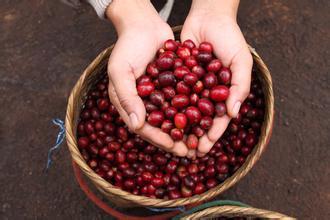
Most of Papua New Guinea’s coffee—about 75%—comes from smallholder farms, many of them tiny plots carved out of dense forest or located in isolated, hard-to-reach highland areas. The country’s coffee is grown at elevations between 1,300 and 1,800 meters above sea level, conditions that naturally favor high-quality Arabica. Low-elevation coffee exists but is rare. Due to logistical challenges, farmers rarely use chemical fertilizers or pesticides, so the coffee is effectively grown under natural conditions.
The History Behind PNG Coffee Production
Coffee plays a major role in Papua New Guinea’s economy, directly and indirectly employing over one million people. The industry is overseen by the Coffee Industry Board, headquartered in Goroka, though exports are handled by private firms. A major turning point came in 1975 when a frost devastated Brazil’s coffee crop, creating global demand that PNG sought to fill. The government funded the creation of around 20-hectare estates on collective or village-owned land, boosting local production. By 1990, annual output had reached one million 60kg bags.
Quality Challenges and Industry Reforms
This boom eventually led to inconsistent quality. Up until 1991, much of PNG’s coffee was graded as Y grade (a now-defunct premium tier), with decent market value. But as output surged, quality dropped, leading to market rejection, especially from Europe. The ‘one grade, one price’ policy worsened the problem, as lower-grade beans devalued the Y grade’s reputation. In response, the government eliminated the Y grade, paused its single-price system, and introduced new grading standards. This allowed buyers to pay based on actual quality, which hurt farmers producing low-grade lots—but helped restore overall market credibility. By 1993, quality had mostly recovered, and traditional buyers returned. Today, A and AB grades are the most commonly exported, with A grade noted for its full bean shape, lighter acidity, and lingering finish.
Flavor Profile and Processing Methods
Papua New Guinea coffee is typically processed using traditional washed methods. Grown at altitude under organic and shaded conditions, the beans develop a full body with a distinctive flavor: think toastiness, stone fruit, and caramelized sugar, alongside a gentle, approachable acidity. Though the country grows several varieties, many trace back to the Typica lineage originally brought from Jamaica’s Blue Mountain. The high elevation, combined with the traditional processing, results in a cup that’s more akin to classic Latin American profiles than to the earthy, spicy notes typical of Indonesia.
Why Most Available PNG Coffee is A or AB Grade
While top-tier AA beans are rare, most export-grade PNG coffee falls into A or AB categories. A grade beans are valued for their plump shape, mellow acidity, and complex aftertaste. AB grade offers slightly more yield and a balanced profile, often with nuttier and slightly more pronounced sweetness. These grades represent the bulk of what makes it to the international specialty market, and they consistently deliver a cup that’s approachable, structured, and distinctly Papua New Guinean.
Frequently Asked Questions
What does Papua New Guinea coffee taste like?
Papua New Guinea coffee typically tastes nutty, with notes of caramel or toasted bread, and a mild, pleasant acidity. The cup is usually full-bodied and smooth, often with subtle fruity or spicy undertones. Most exported beans are A or AB grade, which highlight these balanced characteristics.
Where is Papua New Guinea coffee grown?
Papua New Guinea coffee is grown mainly in highland regions at elevations between 1,300 and 1,800 meters. The terrain is often forested or remote, with most production coming from smallholder farms. The high elevation and tropical climate contribute to the coffee’s slow maturation and complex flavors.
Why is PNG coffee often washed processed?
Most PNG coffee is washed (wet-processed) using traditional methods. This processing highlights the bean’s inherent sweetness and clarity, resulting in a cleaner cup with pronounced acidity and nuanced flavors. It’s well-suited to the high-altitude growing conditions and helps define the classic PNG profile.
Is Papua New Guinea coffee high quality?
Yes—particularly A and AB grade beans. While quality issues arose in the 1990s due to overproduction, reforms restored consistency. Today, well-processed PNG coffee from high-altitude farms is considered high-quality specialty coffee with a distinct, balanced flavor profile.
What makes PNG coffee different from other Pacific or Indonesian coffees?
Unlike the earthy, spicy, or herbal profiles common in Indonesian coffees, PNG coffee tends to be brighter and fruitier, with a cleaner cup resembling Latin American profiles. It’s grown at similar altitudes but uses mostly Typica-derived varieties and traditional washed processing, yielding a more balanced and approachable cup.
Recommended FrontStreet Beans for PNG Fans
Try FrontStreet’s (Paradise Bird) from Western Sigi Estate in Papua New Guinea. It’s a washed A-grade-style coffee grown at high elevation with careful sorting and traditional processing. Expect flavors of toasted bread, nuttiness, and a unique spicy sweetness in the aftertaste. The medium roast delivers a rich, balanced cup with bright acidity and fruit-like notes. Freshly roasted within 5 days · Orders placed before 17:00 ship the same day · Next-day delivery across most of Guangdong Province.
FrontStreet Coffee is a long-established specialty coffee roaster in Guangzhou China, selling freshly roasted beans from its own farm in Yunnan as well as dozens of carefully selected single-origin beans from around the world for both pour-over and espresso. The products deliver consistently excellent quality and great value, with shipping within 24 hours. Guangzhou's FrontStreet Coffee shop is recommended by many coffee lovers, and the beans are now available online at the Tmall 。
Important Notice :
前街咖啡 FrontStreet Coffee has moved to new addredd:
FrontStreet Coffee Address: 315,Donghua East Road,GuangZhou
Tel:020 38364473