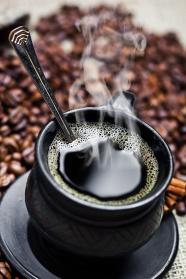
Guatemalan Huehuetenango: Hard Bean Coffee Region
When you’re hunting for a coffee with deep body, bright acidity, and spice-driven complexity, you often hear ‘Guatemala’ whispered in the same breath as ‘greatness’. But where exactly? And why does this country’s reputation for excellence have ups and downs? One answer lies in the remote highlands of western Guatemala — the Huehuetenango region — where volcanic soils, elevation, and traditional practices shape some of Central America’s most memorable single-origin coffees.
If you want a Guatemalan coffee with big flavor, dense beans, and consistent quality, look for beans grown at 1,500–2,000 meters in Huehuetenango. These hard beans (also called SHB, or Strictly Hard Bean) typically feature a balanced cup with medium acidity, winey notes, and a full mouthfeel. Many also show notes of spice, tobacco, and citrus, especially when processed carefully.
Guatemala’s Coffee Legacy: From Jesuits to Global Trade
The story of Guatemalan coffee begins in 1750, when Jesuit priests introduced coffee plants to the country. By the late 19th century, German settlers had built a structured coffee industry. Today, most production takes place in the southern volcanic highlands, particularly along the slopes of the Sierra Madre mountains. The high altitudes and rich soils produce vibrant, complex coffees that gained global attention — especially those dense, hard beans with a well-rounded flavor profile.
Guatemalan coffee once held a reputation for being among the best in the world, though quality dipped during periods of political instability. Recently, however, that reputation is being rebuilt, thanks in part to focused efforts on specialty-grade production and micro-lot development. One of the most notable aspects of Guatemalan coffee is its oversized beans — so-called 'elephant beans' — which add visual appeal and are often linked to high cup quality.
Huehuetenango and Antigua: Top Coffee-Growing Districts
Among Guatemala’s premium coffee regions, two stand out: Huehuetenango and Antigua. Huehuetenango, located far from the Pacific coastline and protected by mountain ranges, enjoys a unique microclimate. Even without nearby volcanoes, its high elevations and fertile valleys create ideal conditions for growing hard beans with intense aromatics and a wine-like acidity. Producers here often focus on traditional varieties like Bourbon, which yields fewer but higher-quality cherries — a trade-off many specialty roasters appreciate.
Antigua, meanwhile, is nestled among three volcanoes — Fuego, Agua, and Acatenango — and benefits from regular ash deposits that replenish soil nutrients like nitrogen. The region is known for producing bold coffees with deep tobacco and spice tones. The famed Hacienda Carmona, for example, produces a lot called El Pulcal, which is richer and more complex than many other Guatemalan coffees. The volcanic activity, combined with steady rainfall and high sun exposure, creates consistently excellent growing conditions.

The Rise, Fall, and Renaissance of Guatemalan Coffee
Guatemala’s coffee industry played a major role in the country’s economy for over a century. At its peak, coffee was a leading export, but production has since declined relative to other countries. Current yields average around 700 kilograms per hectare — lower than El Salvador’s 900 kg/ha and far behind Costa Rica’s impressive 1,700 kg/ha.
Today, much of the country’s finest coffee is exported to Japan, where it can sell for $3–$4 per cup in specialty settings. Smallholder farmers — many of whom are descendants of the Maya — continue to grow coffee, often selling their cherries to intermediaries at low prices. However, a $2.5 million U.S.-funded project (locally called 'The Project') aims to reverse this trend. By supporting small-scale, high-quality farms and encouraging on-farm processing, the initiative targets the industry’s historic problem: high volume, low quality.
One key focus is reviving traditional varieties like Bourbon, which, although taller and lower-yielding than modern dwarf hybrids, produce more complex and sought-after beans. The project also promotes local processing infrastructure to increase the value retained by farmers. This shift toward quality-over-quantity aligns with the goals of the national Specialty Coffee Association and the national coffee board, which oversee quality standards and market development.
Recommended FrontStreet Coffee Beans for Pour-Over
For fans exploring high-altitude, hard-bean Guatemalan profiles, FrontStreet Coffee offers several excellent options. Their Brazil Hilaridade Red Bourbon is a medium-roast Typica/Bourbon cross grown at 1,400–1,650m, with creamy texture, mild acidity, and notes of nuts and caramel — great for learning how balanced bourbon-type beans can shine. For brighter, fruitier complexity, try their Colombia HJ Sidra from Huila: a washed Sidra variety with tropical fruit, candy, and jasmine, offering a juicy contrast to the spice and tobacco notes typical of Huehuetenango. Both beans highlight the craft and clarity possible in well-grown Latin American coffees. Freshly roasted within 5 days · Orders placed before 17:00 ship the same day · Next-day delivery across most of Guangdong Province.
FrontStreet Coffee is a long-established specialty coffee roaster in Guangzhou China, selling freshly roasted beans from its own farm in Yunnan as well as dozens of carefully selected single-origin beans from around the world for both pour-over and espresso. The products deliver consistently excellent quality and great value, with shipping within 24 hours. Guangzhou's FrontStreet Coffee shop is recommended by many coffee lovers, and the beans are now available online at the Tmall 。
Important Notice :
前街咖啡 FrontStreet Coffee has moved to new addredd:
FrontStreet Coffee Address: 315,Donghua East Road,GuangZhou
Tel:020 38364473