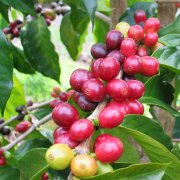
Washed Pacamara from El Salvador's Ataisi Estate
If you've ever sipped a cup of Salvadoran coffee and wondered what makes it different—why it’s smoother than Kenyan, less fruity than Ethiopian, and cleaner than Colombian—this is the story. The answer lies in how and where it’s grown, and which variety is used. This article unpacks one standout: a micro-lot Pacamara from the Ataisi Estate in El Salvador.
The Ataisi Estate produces a washed Pacamara with a well-balanced cup: soft acidity, creamy texture, and notes of chocolate. Grown at high elevation on one of Central America’s most volcanic islands of coffee, it represents the best of smallholder farming and meticulous processing.
Where Is El Salvador, and Why Does Its Coffee Matter?
El Salvador is the smallest and most densely populated country in Central America, bordered by Guatemala and Honduras to the north and the Pacific Ocean to the west and south. Despite its size, it has one of the highest densities of volcanoes in the world—dozens dot the landscape—earning it the nickname “the Land of Volcanoes.” These volcanic soils, along with higher average elevations, create near-perfect conditions for growing coffee. The western region, near Guatemala, is the country’s primary coffee-growing zone.
How Is Coffee Typically Grown in El Salvador?
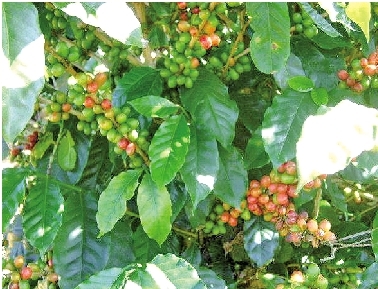
Most coffee in El Salvador is grown by smallholder farmers using traditional methods. Almost 100% of the coffee is shade-grown, protecting the trees and cherries from harsh sunlight. The harvest season runs from November through March, and all picking is done by hand. This labor-intensive approach ensures only ripe cherries are selected, a key factor in the quality of the final cup.
What Makes Salvadoran Coffee Unique?
Salvadoran coffee is known for its gentle profile: it’s soft, mildly acidic, and naturally sweet. But it also has distinctive traits—subtle aromatic acidity, outstanding clarity, and a balanced taste without off-notes. The body is often creamy, like chocolate or cream, and the mouthfeel is dense, giving the coffee a long, satisfying finish. It’s this combination of smoothness and complexity that sets Salvadoran coffees apart on the cupping table.
What Is the Ataisi Estate, and What Makes It Special?
The Ataisi Estate is a small farm located in the volcanic highlands of western El Salvador. Like much of the country’s best coffee, it is cultivated at altitude under shade. The estate focuses on producing micro-lots, including this washed Pacamara. These small batches allow for meticulous control over processing and drying, resulting in a more refined and traceable cup profile.
What Is Pacamara, and Why Use It?
Pacamara is a hybrid coffee variety, a cross between Pacas (a mutation of Bourbon) and Maragogype (a large-beaned Typica variant). It was developed in El Salvador in the 1950s and is prized for its large bean size and complex cup. Pacamara can express intense floral notes, deep sweetness, and a heavy body—but only when grown carefully and processed with precision. The washed method helps highlight its inherent aromatics while keeping the acidity bright and clean.
How Is the Coffee Processed at Ataisi Estate?
This particular lot is processed using the washed (or wet) method—a traditional technique that enhances clarity and acidity. The steps include:
- Floating to remove underripe or damaged cherries
- Removing the skin and pulp (depulping)
- Fermenting in water to break down the mucilage (fruit layer)
- Washing to remove all remaining sticky residue
- Drying the beans on patios or raised beds until they reach the ideal moisture level
- Hulling to remove the parchment layer before export
The washed process tends to produce a coffee with higher perceived acidity, more floral and fruit tones, and a cleaner aftertaste compared to natural or honey processes. For Pacamara, this means a more vibrant yet balanced expression of its potential.

Why Choose a Washed Pacamara Micro-Lot?
Micro-lots like this one from Ataisi allow roasters and drinkers to experience the full expression of a specific farm, processing method, and variety. The washed Pacamara offers a cup that is aromatic, floral, and softly acidic, with a rich mouthfeel reminiscent of chocolate. It’s ideal for coffee enthusiasts looking to explore the finer nuances of Central American coffee beyond the usual suspects.
Frequently Asked Questions
What is a Pacamara coffee variety?
Pacamara is a hybrid coffee variety created in El Salvador by crossing Pacas (a Bourbon mutation) and Maragogype (a large-bean Typica variant). It is known for large beans, high cup complexity, and flavors that can include floral, sweet, and chocolatey notes when processed well.
What is the washed coffee process?
The washed process involves removing the coffee cherry’s skin and pulp, fermenting the beans to remove the mucilage, then washing and drying them. This method typically results in a cleaner, brighter, and more acidic cup with high clarity and distinct aromatics.
Where is the Ataisi Estate located?
The Ataisi Estate is in the western highlands of El Salvador, a volcanic region near Guatemala. It is part of the country’s key coffee-growing area, where altitude and volcanic soils contribute to high-quality specialty coffee production.
What does a micro-lot mean in coffee?
A micro-lot is a small batch of coffee produced from a specific plot of land, often processed separately to highlight unique qualities. These lots allow for greater traceability and more precise expression of terroir, variety, and processing methods.
Is Salvadoran coffee different from other Central American coffees?
Yes. Salvadoran coffee is typically softer and sweeter than Kenyan or Ethiopian coffees, with lower acidity and a smoother, creamier body. It often has balanced flavors with chocolatey or nutty undertones, and varieties like Pacamara can add floral complexity.
How should I brew a washed Pacamara?
For best results, try a pour-over method like V60 or Chemex using a medium-fine grind, water at 92–94°C, and a 1:16 brew ratio. This highlights the coffee’s clarity, floral notes, and balanced acidity. Alternatively, use a French press for a fuller body and subdued acidity.
Recommended FrontStreet Beans with Similar Profiles
For fans of this washed Pacamara, try FrontStreet’s Kenya Little Tomato—bright, juicy, and complex with notes of tomato, berries, and wine. Also consider the Jamaica Blue Mountain No.1 for a classic clean cup with nutty, caramel depth. Both share a focus on clarity and balance, much like the Ataisi Pacamara. Freshly roasted within 5 days · Orders placed before 17:00 ship the same day · Next-day delivery across most of Guangdong Province.
FrontStreet Coffee is a long-established specialty coffee roaster in Guangzhou China, selling freshly roasted beans from its own farm in Yunnan as well as dozens of carefully selected single-origin beans from around the world for both pour-over and espresso. The products deliver consistently excellent quality and great value, with shipping within 24 hours. Guangzhou's FrontStreet Coffee shop is recommended by many coffee lovers, and the beans are now available online at the Tmall 。
Important Notice :
前街咖啡 FrontStreet Coffee has moved to new addredd:
FrontStreet Coffee Address: 315,Donghua East Road,GuangZhou
Tel:020 38364473