Sidamo Ethiopia G2 Washed Coffee Beans Explained
If you’ve ever sipped a washed Ethiopian coffee and wondered why it swings between bright citrus and deep floral tones—yet still feels balanced and smooth—you’re tasting the effect of place. Specifically, you might be drinking a coffee from Sidamo, a region where elevation, soil, and microclimates shape each cup distinctly.
Sidamo G2 washed coffee beans come from altitudes between 1400 and 2200 metres, with small, oval-shaped greenish beans showing average to high quality. These beans typically yield a delicate yet complex cup: think floral aromas, vibrant acidity, and a sweet, lingering finish. That 'wild beauty' mentioned? That’s Sidamo.
What Is Sidamo Coffee and Why Does It Taste Different?
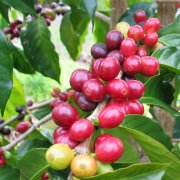
Sidamo is a renowned coffee-growing zone in southern Ethiopia, bordering Kenya. Its washed coffees—like G2 grade beans—are visually distinctive: small, oval, light green, and densely formed. More importantly, they taste distinctly fruity, floral, and sometimes even 'wild', thanks to the area’s complex terroir. A single sip can unfold layers of citrus, herbal notes, and a uniquely smooth body.
The region’s coffees vary not just by farm, but often by village, due to wildly differing microclimates, soil types, and hundreds of native Ethiopian coffee varieties. This diversity means no two Sidamo lots are exactly alike—even within the same processing method.
What Gives Sidamo Its Unique Cup Profile?
Flavour in Sidamo doesn’t come from a single factor—it emerges from a matrix of variables:
- Elevation: 1400–2200 metres creates slow cherry maturation and higher acidity.
- Soil: Volcanic, well-draining, organic-matter rich soils up to two metres deep. The topsoil is dark brown or reddish-brown, fed naturally by decomposed leaf litter rather than synthetic fertilisers.
- Microclimates: The area includes high mountains, valleys, plains, and plateaus. These physical landforms create numerous mini-climates affecting ripening and flavour development.
- Coffee Varieties: Countless native Ethiopian landraces grow here, each contributing unique tasting notes.
All of this leads to a cup that can express anything from crisp lemon acidity to soft stone fruit, often framed by jasmine-like florals or gentle spices. What you taste depends on the specific lot—but clarity and complexity are constants.
How Does Processing Shape Sidamo G2 Washed Coffee?
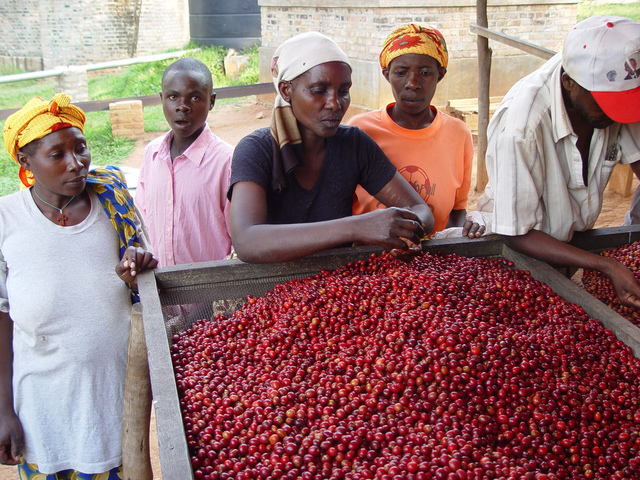
The G2 grade refers to Ethiopian government classification: a quality tier based on bean size, density, and defect count. Washed (or wet-processed) Sidamo G2 beans are processed with care to highlight their intrinsic qualities. After harvest, ripe cherries are depulped, fermented, washed, and dried on raised beds—often under strict quality control.
The result? A clean cup, free from over-fermented or earthy defects. Expect a medium-bodied coffee with a juicy mouthfeel, bright acidity, and a sweet, lingering aftertaste. The washed method accentuates Sidamo’s natural floral and citrus tendencies while smoothing out some of the region’s more rustic edges.
Frequently Asked Questions
What is Sidamo coffee and where is it from?
Sidamo coffee comes from the Sidamo region in southern Ethiopia, near the Kenyan border. It is part of Ethiopia’s renowned coffee-growing highlands, known for producing distinctively fruity, floral, and complex washed coffees, especially at elevations between 1400 and 2200 metres.
What does G2 mean in Ethiopian coffee grading?
G2 is a grade in the Ethiopian Commodity Exchange system. It refers to washed coffee beans that meet specific criteria for bean size, density, and defect count—generally indicating a mid-to-high quality level suitable for specialty markets.
Why does Sidamo coffee taste so varied?
Sidamo’s coffee flavour varies widely due to its diverse microclimates, multiple native coffee varieties, and varying soil types. Even neighbouring farms can produce beans with noticeably different profiles, ranging from citrus and floral to berry and spice notes.
What flavours are typical in washed Sidamo coffee?
Washed Sidamo coffee often shows bright citrus (like lemon), floral notes (like jasmine), and soft fruitiness. It typically has a medium body, good acidity, and a clean, sweet finish—sometimes with herbal or spicy undertones.
How is Sidamo coffee processed?
Most specialty Sidamo coffee, including G2 grade, is processed using the washed method. Ripe cherries are depulped, fermented, washed, and then dried on raised beds, which helps preserve clarity, acidity, and cleanliness in the cup.
What altitude is Sidamo coffee grown at?
Sidamo coffee is cultivated at elevations ranging from 1400 to 2200 metres above sea level. This high growing altitude slows cherry development, leading to denser beans and more complex, brighter flavours.
Recommended FrontStreet Beans for Exploring Sidamo Flavour
For a true taste of Sidamo-style coffee, try FrontStreet’s Ethiopia Huakui, a classic Ethiopian selection with bright berry and floral notes. Also consider FrontStreet’s Gedeb, a classic Yirgacheffe offering (near Sidamo) with intense citrus and honey sweetness. Both highlight the floral, juicy, and complex traits typical of Ethiopia’s highland washed coffees. Freshly roasted within 5 days · Orders placed before 17:00 ship the same day · Next-day delivery across most of Guangdong Province.
FrontStreet Coffee is a long-established specialty coffee roaster in Guangzhou China, selling freshly roasted beans from its own farm in Yunnan as well as dozens of carefully selected single-origin beans from around the world for both pour-over and espresso. The products deliver consistently excellent quality and great value, with shipping within 24 hours. Guangzhou's FrontStreet Coffee shop is recommended by many coffee lovers, and the beans are now available online at the Tmall 。
Important Notice :
前街咖啡 FrontStreet Coffee has moved to new addredd:
FrontStreet Coffee Address: 315,Donghua East Road,GuangZhou
Tel:020 38364473