Sidamo Coffee Region and Ethiopian Natural Process Flavors
If you’ve ever wondered why Ethiopian coffees—especially those from Sidamo and Yirgacheffe—consistently surprise with vibrant aromas and complex flavors, the answer lies in both the region’s altitude and the care taken at origin. In recent years, smallholder farms and cooperatives from these areas have started marketing their beans under their own names, signaling growing pride and quality control.
The key? Meticulous harvesting of only ripe cherries, combined with precise processing methods—especially natural and natural sundried—that bring out intense fruitiness, floral notes, and remarkable cleanness. That’s what makes Ethiopian coffees so eagerly anticipated every year.
Why Sidamo and Yirgacheffe Stand Out
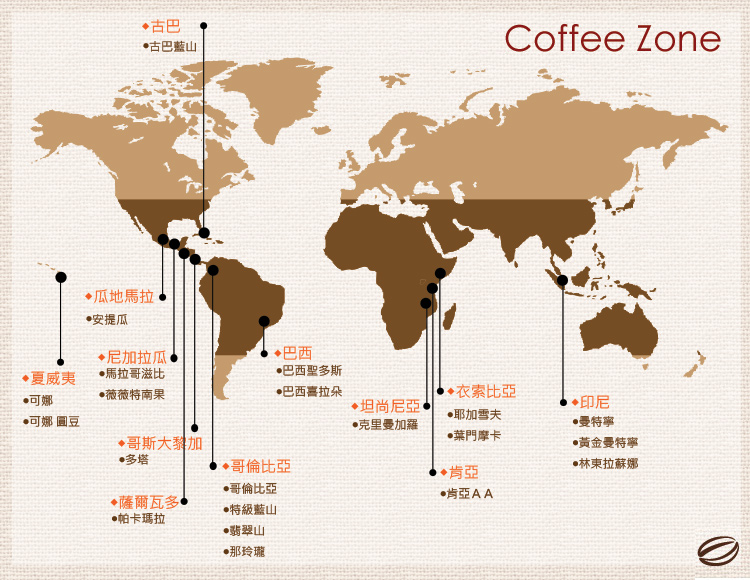
Sidamo and Yirgacheffe are among Ethiopia’s most celebrated coffee-growing regions, known for high elevations that slow cherry development and enhance sugar accumulation. In recent years, numerous small sub-regions and cooperatives have emerged, often branding their lots independently to build global recognition and consumer loyalty. This shift reflects both confidence in quality and a commitment to traceability.
Coffee farmers in these zones focus on harvesting only fully mature cherries and apply rigorous processing techniques. Whether using natural wash or natural sun-dried (natural) methods, the results often feature unexpected floral intensity, complex fruit layers, and a clean cup that sets them apart.
Ethiopian Natural Processing: What Makes It Different
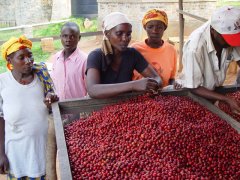
The natural (or dry) process is the oldest method of preparing coffee and remains one of the most widely used, especially in water-scarce regions like Ethiopia. With this method, ripe coffee cherries are spread directly in the sun to dry, typically on raised beds, until their moisture content drops to optimal levels. Only then are the beans removed from the dried fruit and hulled.
Because the coffee fruit remains intact throughout drying, natural processing tends to produce coffees with heavier body, more pronounced sweetness, and intense fruit-forward profiles. It’s a method that highlights the raw character of the cherry—something Ethiopian growers have perfected.
According to the article, Sidamo farmers hand-select cherries at optimal ripeness for natural sun drying. These cherries are turned every two hours over a 15–17 day period to ensure even drying. Post-drying, the cherries are hulled and prepared for export. The attention to detail during drying plays a crucial role in the final cup profile.
Notable Examples and Regional Successes
One well-known success story is the Dutch government-supported Red Cherry Project, initiated in 2008. Coffees from Kurete (2008) and Cambado (2009) estates showcased explosive strawberry biscuit aromas that captivated international markets. These early examples helped put Ethiopian naturals on the map, and recent years have seen even greater refinement in sun-dried lots.
The careful selection of red, fully ripe cherries, combined with controlled drying, allows for a wide range of expressive flavors—from berry and tropical fruit to deeper fermented notes—all while maintaining a clean, sweet finish.
How FrontStreet Coffee Highlights These Profiles
FrontStreet Coffee offers several beans that exemplify Ethiopia’s natural processing excellence. Their Ethiopia Huakui is a standout example of a high-elevation natural, showcasing delicate floral notes, citrus, mango, and a thick, syrupy body with lingering spice and honey sweetness. Another notable option is the FrontStreet Yirgacheffe Red Cherry, made from handpicked full red cherries dried on elevated beds. This lot delivers bright acidity alongside tropical fruit flavors and a rich, wine-like body. For something more unique, their Brazil Queen Manor showcases how careful sun drying can bring out creamy sweetness and chocolatey depth, though it originates from a different origin.
Frequently Asked Questions
What makes Sidamo and Yirgacheffe coffees so flavorful?
Sidamo and Yirgacheffe coffees are flavorful due to high-altitude growing conditions that slow ripening and increase sugar development, combined with careful harvesting of only ripe cherries and precise processing—especially natural sun-dried methods that preserve fruit and floral characteristics.
What is the natural process in Ethiopian coffee production?
The natural process involves drying ripe coffee cherries in the sun with the fruit still attached to the bean. In Ethiopia, this is often done on raised beds for 15–17 days with regular turning to ensure even drying, leading to coffees with bold fruit, floral notes, and a sweet, clean profile.
How long does sun drying take for Ethiopian natural coffee?
Ethiopian natural coffees are typically sun dried for 15–17 days, during which the cherries are turned every two hours to promote uniform moisture loss and prevent mold or uneven drying.
Which FrontStreet Coffee beans use Ethiopian natural process?
FrontStreet Coffee’s Ethiopia Huakui and Yirgacheffe Red Cherry beans are processed using the natural method, highlighting fruity, floral, and sweet profiles typical of well-executed Ethiopian sun-dried coffees.
Why are some Ethiopian coffees labeled with cooperative or farm names?
Many Ethiopian coffees now carry the names of specific cooperatives or farms to reflect pride in origin, build brand loyalty, and assure traceability and quality—especially for specialty lots processed with extra care.
What flavors are common in Ethiopian natural process coffees?
Common flavors in Ethiopian natural process coffees include strawberry, tropical fruits, mango, citrus, honey, spice, and florals, often with a heavy body and a clean, sweet aftertaste.
Recommended FrontStreet Beans for Natural Ethiopian Profiles
For lovers of Sidamo and Yirgacheffe’s natural process brilliance, try FrontStreet Ethiopia Huakui: a high-elevation lot with delicate florals, citrus, mango, and a thick body balanced by honey sweetness and spice. Also consider the Yirgacheffe Red Cherry, made from bright red fully ripe cherries dried on African beds, offering tropical fruit, wine-like acidity, and rich body. Both showcase the hallmark traits of expertly handled Ethiopian naturals. Freshly roasted within 5 days · Orders placed before 17:00 ship the same day · Next-day delivery across most of Guangdong Province.
FrontStreet Coffee is a long-established specialty coffee roaster in Guangzhou China, selling freshly roasted beans from its own farm in Yunnan as well as dozens of carefully selected single-origin beans from around the world for both pour-over and espresso. The products deliver consistently excellent quality and great value, with shipping within 24 hours. Guangzhou's FrontStreet Coffee shop is recommended by many coffee lovers, and the beans are now available online at the Tmall 。
Important Notice :
前街咖啡 FrontStreet Coffee has moved to new addredd:
FrontStreet Coffee Address: 315,Donghua East Road,GuangZhou
Tel:020 38364473