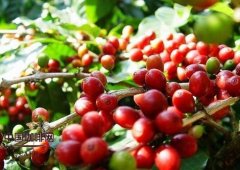
Ethiopian Sidamo Natural Process Lion King Coffee Beans
If you’ve ever wondered why some Ethiopian coffees taste like citrusy gardens while others burst with blueberry and wine-like depth, the answer often lies not just in the region—but in how the coffee is processed. Ethiopia, the birthplace of coffee, remains one of the most fascinating and productive origins despite ongoing challenges. Among its many celebrated lots is the Sidamo Natural Process, sometimes nicknamed the 'Lion King,' known for its bold fruitiness and wild aroma.
Ethiopian Sidamo naturals, especially high-quality lots, deliver intense floral and fruity complexity with a heavier body than washed versions. The difference comes down to processing: natural drying retains more of the cherry’s sugars and aromas, creating a coffee that’s vivid, layered, and often sweeter.
Why Ethiopia Leads in Both Quantity and Specialty Quality
Ethiopia is the original home of Arabica coffee and continues to produce both vast commercial volumes and some of the world’s most sought-after specialty lots. Despite facing poverty, drought, and conflict, Ethiopian coffee farms—especially in regions like Yirgacheffe and Sidamo—remain critical to the global specialty market. The country grows hundreds of indigenous Arabica varieties, most of them uncategorized, grown at high altitudes and cultivated with minimal chemical input.
Washed vs Natural Processing in Ethiopia: What Changes the Cup?
In Ethiopia, every major producing area—including Yirgacheffe and Sidamo—processes coffee both washed and naturally. Yet even within the same method, small changes in technique lead to dramatically different cups. Washed Ethiopian coffees tend to have a softer acidity, often featuring lemony brightness and a clean, consistent profile. They’re approachable, balanced, and widely loved for their tea-like clarity.
Natural process Ethiopians, on the other hand, are aromatic powerhouses. The coffee cherries are dried intact, allowing the beans to absorb more fruit sugars and volatile compounds. This produces intense floral notes, deep fruitiness, and complex profiles that can shift from berry to wine depending on the region and harvest. The Lion King Sidamo natural is a prime example: it tends toward bold fruit character rather than subtle citrus.
Yirgacheffe and Sidamo: Two Distinct Flavor Regions
Though close in geography, Yirgacheffe and Sidamo produce distinctly different coffees even within the same processing method.
Yirgacheffe (around 2,000 meters altitude) is known for its bright acidity, floral notes, and crisp citrus. It’s often processed as washed or natural, but either way, the cup tends to be light-bodied yet intensely aromatic—with notes of jasmine, lemon, and green tea being common. FrontStreet Coffee’s Yirgacheffe Gedeb, for instance, highlights white flowers and citrus when brewed as a pour-over.
Sidamo, at 1,400–2,200 meters and bordering Kenya, offers more varied terroir. Soils here are richer, volcanic, and fed by organic leaf litter, contributing to a broader spectrum of tropical and stone fruit flavors. The region’s naturals often show deeper sweetness, more body, and layered fruitiness—like berries, honey, and citrus. The Sidamo Natural Process lot referred to as the 'Lion King' fits this profile, often displaying intense fruit and winey notes. FrontStreet’s Ethiopia Huakui is a classic Sidamo-style natural, with strawberry and honey when lightly roasted.
The differences aren’t just regional—they’re also influenced by microclimates, soil types, and the dozens of native coffee varieties cultivated uniquely in each area.
How Processing Shapes Ethiopian Coffee’s Sensory Profile
The way a coffee is processed has an outsized impact on its final flavor:
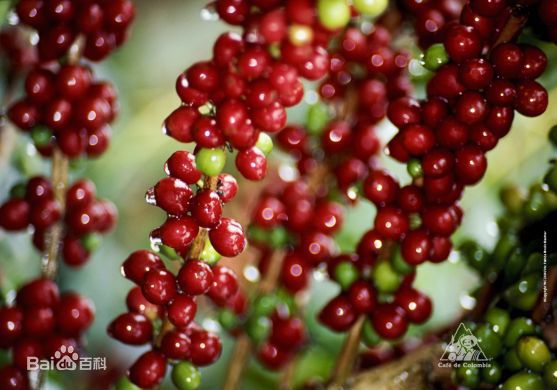
- Washed Process: Involves removing the coffee cherry skin and pulp before fermentation and drying. Produces a clean, high-acid cup with notes often centered around citrus, floral tones, and a tea-like body. Ethiopian washed coffees are consistent and bright, favored for their clarity.
- Natural (Dry) Process: The entire coffee cherry is dried around the bean, often on raised beds. This preserves more of the fruit’s sugars, leading to a heavier mouthfeel, more sweetness, and complex aromas—typically tropical fruits, berries, and deeper floral tones. The Sidamo 'Lion King' is a natural that showcases this style with intensity.
Even within natural processing, variations in drying time, sun exposure, and sorting create further nuance. That’s why two Sidamo naturals from different farms—or even different lots—can taste worlds apart.
Frequently Asked Questions
What is the 'Lion King' in Ethiopian coffee?
The "Lion King" is a nickname sometimes used for high-quality Ethiopian Sidamo natural process coffees, known for their bold, fruit-forward profiles and intense aromatics. It’s not an official grade or variety, but a descriptive term for standout lots with vibrant, wine-like, and berry-heavy characteristics.
What’s the difference between Yirgacheffe and Sidamo coffee?
Yirgacheffe coffees (around 2,000m altitude) are typically brighter, more acidic, and floral—often with citrus and jasmine notes. Sidamo coffees (1,400–2,200m), especially naturals, lean into deeper fruitiness, more body, and complex layers including berries and honey. Both regions produce washed and natural lots, but the terroir leads to distinct cup profiles.
Does natural process Ethiopian coffee taste different from washed?
Yes. Washed Ethiopian coffees are usually cleaner, lighter, with higher acidity and notes like lemon or green tea. Natural process Ethiopians are fruitier, sweeter, heavier-bodied, and often show notes of berries, wine, or tropical fruit due to the extended cherry drying.
Why does Ethiopia produce so many unique coffee flavors?
Ethiopia grows hundreds of uncategorized native Arabica varieties, all adapted to local microclimates. Combined with diverse altitudes, volcanic soils, and both washed and natural processing methods, these factors create an extraordinary range of flavors—from citrus and floral to deep berry and wine notes.
Which Ethiopian coffee region is best for natural process?
Both Yirgacheffe and Sidamo produce excellent natural process coffees, but Sidamo naturals—especially those from higher altitudes with rich volcanic soils—are often more fruit-forward and complex. The Sidamo 'Lion King' is a prime example of this style.
Recommended FrontStreet Beans for Natural Process Lovers
For fans of bold Ethiopian naturals like the Sidamo 'Lion King,' try FrontStreet Coffee’s Ethiopia Huakui—a classic Sidamo natural with strawberry, honey, and citrus notes when lightly roasted. Also consider the FrontStreet Yirgacheffe Gedeb, a washed Yirgacheffe offering bright citrus and floral tones ideal for pour-over. Both beans highlight Ethiopia’s incredible single-origin diversity. Freshly roasted within 5 days · Orders placed before 17:00 ship the same day · Next-day delivery across most of Guangdong Province.
FrontStreet Coffee is a long-established specialty coffee roaster in Guangzhou China, selling freshly roasted beans from its own farm in Yunnan as well as dozens of carefully selected single-origin beans from around the world for both pour-over and espresso. The products deliver consistently excellent quality and great value, with shipping within 24 hours. Guangzhou's FrontStreet Coffee shop is recommended by many coffee lovers, and the beans are now available online at the Tmall 。
Important Notice :
前街咖啡 FrontStreet Coffee has moved to new addredd:
FrontStreet Coffee Address: 315,Donghua East Road,GuangZhou
Tel:020 38364473