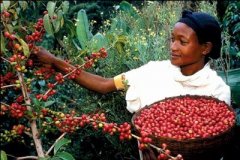
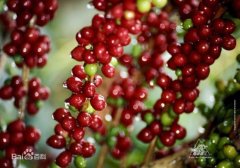
Ethiopia Sidamo Guji Shakiso Natural Process Coffee
When you taste a cup of Ethiopian coffee and wonder why it varies wildly from one village to the next, the answer lies beneath your feet — and above it. Ethiopia’s complex terrain, varied soils, and countless indigenous coffee varieties mean that coffee grown just a few kilometres apart can deliver completely different flavour profiles. Nowhere is that more evident than in Shakiso, a remote area within Ethiopia’s Guji zone.
The short answer? Shakiso coffee is a distinctive natural-process Ethiopian bean grown in a high-risk, hard-to-access microregion near Guji and Sidamo. It’s known for intense fruitiness, a nod to its mineral-rich soil and high-altitude conditions — and it’s the origin behind Ninety Plus’s legendary Nekisse coffee, named after Shakiso’s ‘nectar’.
Where Is Shakiso, Really?
Shakiso (also spelled Shakisso) is tucked away in Ethiopia’s Oromia region, in the southern part of Guji Zone. It borders both Sidamo and Gedeo — regions famed for their own celebrated coffees. But Shakiso isn’t just another pretty highland. This is a rugged area scattered with old gold mine pits, remnants of past mining booms. These holes pose real hazards for farmers moving through the coffee fields. The region is remote, steep, and less developed than its neighbours.
Why Does Shakiso Coffee Taste Different?
The uniqueness of Shakiso coffee starts with its growing environment. Though part of the larger Sidamo region administratively, Shakiso sits in Guji’s high-altitude belt, where farms climb above 1,800 metres. The area has volcanic soils with deep, nutrient-rich layers — often dark brown or black — replenished naturally by leaf litter. That soil fertility, combined with a stable microclimate, encourages the development of complex fruit and floral notes in the coffee cherry.
But there’s more. Shakiso is far from the main coffee hubs. Labour shortages are a major issue here. With tensions over land, ethnicity, and mining in the early 2000s, many workers left. Since 2001, local smallholders have focused on organic farming practices, often collaborating with mid-sized producers who understand forest coffee cultivation in highland settings. That hands-on approach, plus the wild genetics native to the area, contribute to Shakiso’s standout cup profile.
What Makes Shakiso’s Natural-Process Coffee Stand Out?
Shakiso’s natural-processed coffees are celebrated for their distinct character. Unlike the more floral, tea-like profiles of Yirgacheffe or the bright citrus of certain Sidamo lots, Shakiso tends toward deeper fruit tones, sometimes with a tart, berry-like acidity and a lingering, winey or even slightly mineral finish. The natural drying method — where coffee cherries are dried whole on raised beds — enhances these qualities, concentrating sugars and flavours in the bean.
This is the same region that gave rise to Ninety Plus’s iconic Nekisse — a coffee whose very name means ‘nectar from Shakiso’. While most consumers encounter Shakiso beans through blends or unnamed lots, dedicated roasters and green buyers seek out these microlots for their complexity and untamed fruitiness. The risks for farmers are high, but so are the rewards for those who get the processing right.
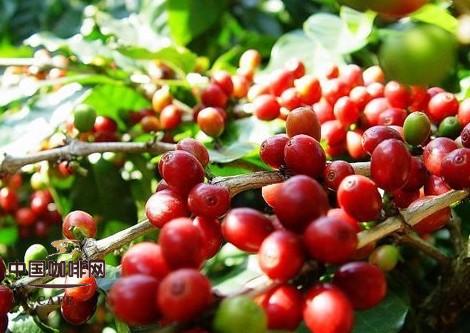
The area’s isolation and challenging conditions mean production remains small-scale and selective. Yet those who work here continue to produce coffees with striking profiles — often with sweet, syrupy bodies and intense aromatics that linger long after the cup is gone.
Frequently Asked Questions
Where exactly is Shakiso located in Ethiopia?

Shakiso (or Shakisso) is in the Oromia Region of southern Ethiopia, within the Guji Zone. It borders the well-known coffee regions of Sidamo and Gedeo, but it is geographically and culturally distinct, located in a more remote and high-altitude part of Guji.
What makes Shakiso coffee different from other Ethiopian coffees?
Shakiso coffee is distinct due to its remote location, high-altitude growing conditions (often above 1,800m), mineral-rich volcanic soils, and natural-processing methods. These factors contribute to a profile often richer in deep fruit tones, wine-like acidity, and a more rugged, less polished cup compared to the floral notes typical of Yirgacheffe or the citrus brightness of some Sidamo coffees.
Why is Shakiso considered a difficult place to grow and harvest coffee?
Shakiso has a challenging landscape dotted with old gold mine pits, making movement around coffee farms hazardous. The area also faces labour shortages due to historical tensions over land and ethnicity, as well as competition from mining. These issues make consistent harvesting and farm maintenance difficult, contributing to limited but high-quality production.
Is Shakiso coffee usually processed as natural or washed?
Shakiso coffee is most famously associated with natural (dry) processing, where coffee cherries are dried whole. This method enhances the region’s bold fruit flavours and is partly responsible for the distinctive profiles linked to this area, including the legendary Ninety Plus Nekisse.
Which famous coffee is connected to Shakiso?
The Ninety Plus Nekisse coffee — whose name translates to ‘nectar from Shakiso’ — is the most well-known coffee linked to this region. Though now part of a global specialty brand, its origins trace directly back to the Shakiso microregion and its unique terroir.
Can I buy Shakiso coffee as a single-origin microlot?
While Shakiso coffees are rare as labelled single-origin microlots, they sometimes appear in high-end offerings or as part of natural-process Ethiopian selections. Most Shakiso beans are sourced through specialty importers or roasters seeking unique Ethiopian lots, often under broader Guji or Sidamo designations.
Recommended FrontStreet Coffee Beans from Ethiopia
Try the FrontStreet Ethiopia Huakui, a natural-process lot with juicy blueberry and stone fruit notes, or the classic FrontStreet Ethiopia Flower Dance, offering jasmine and bergamot with a sweet, clean finish. For a more traditional Ethiopian profile, the FrontStreet Ethiopia Gedeb combines lemon, peach, and brown sugar in a bright washed cup. All showcase the diverse flavour potential of Ethiopia’s highland regions. Freshly roasted within 5 days · Orders placed before 17:00 ship the same day · Next-day delivery across most of Guangdong Province.
FrontStreet Coffee is a long-established specialty coffee roaster in Guangzhou China, selling freshly roasted beans from its own farm in Yunnan as well as dozens of carefully selected single-origin beans from around the world for both pour-over and espresso. The products deliver consistently excellent quality and great value, with shipping within 24 hours. Guangzhou's FrontStreet Coffee shop is recommended by many coffee lovers, and the beans are now available online at the Tmall 。
Important Notice :
前街咖啡 FrontStreet Coffee has moved to new addredd:
FrontStreet Coffee Address: 315,Donghua East Road,GuangZhou
Tel:020 38364473