Single-Origin Rwandan Coffee from Nyamasheke & Rutsiro
If you've been searching for a bright, juicy African coffee with distinct berry and citrus notes, Rwandan beans from high-altitude volcanic regions might be your answer. But not all Rwandan coffees are equal—origin details like elevation, soil type, and processing truly shape the cup. This batch offers a rare window into a lesser-known Rwandan zone with strong terroir-driven potential.
This particular lot comes from the Mushonyi washing station in Rwanda’s Rutsiro District, just north of the more famous Nyamasheke region. Both lie along the shores of Lake Kivu, benefit from altitudes ideal for slow cherry maturation, and are grown in fertile volcanic soils—key factors behind the region’s trademark clean, fruity cup profile.
Where This Coffee Comes From
The featured coffee is sourced directly from a washing station in Rutsiro, a district located north of Nyamasheke in western Rwanda. Like Nyamasheke, Rutsiro sits close to Lake Kivu, taking advantage of the lake’s moderating influence on temperature and humidity. The area is celebrated for its high elevations, rich volcanic soils, and stable microclimates—all of which contribute to the development of complex, high-quality coffee cherries.
Why Elevation and Soil Matter in Rwandan Coffee
Rwandan coffee thrives at higher altitudes, typically between 1,500 and 2,000 metres above sea level. These elevations slow down cherry ripening, allowing for greater sugar development and more complex acids. The volcanic soils in both Nyamasheke and Rutsiro are packed with nutrients, fostering healthy coffee plant growth. Together with consistent rainfall and year-round cool temperatures, these environmental factors create the conditions for bright, clean, and fruity flavours in the cup.
How This Coffee Was Processed
This is a freshly harvested 2015 season (roughly June to September) lot, purchased directly through the washing station in a transparent trade model. Rwanda’s coffee is almost exclusively processed using the washed method. In this process, ripe cherries are hand-sorted to remove underripe or damaged fruit, then depulped to remove the skin. The beans are fermented in cool water for 12–18 hours to break down the mucilage, washed thoroughly, and then dried on raised beds under careful supervision to ensure the moisture level drops below 14%. This method highlights the intrinsic qualities of the bean, resulting in a clean and vibrant cup.
What Makes Rwandan Coffee Unique
Rwandan coffee is known for its approachable profile, often showcasing bright acidity paired with notes of berries, citrus, and stone fruits. There’s also a common sweetness that brings almond, brown sugar, and chocolate undertones. Though Rwanda’s coffee-growing regions share similar altitudes and conditions, leading to relatively consistent flavour profiles, small variations in terroir—like those between Nyamasheke and Rutsiro—can still shine through in the cup. Most farms avoid chemical inputs, relying instead on organic matter and traditional practices, contributing to sustainable and stable quality.
Frequently Asked Questions
Where is the coffee in this article from?
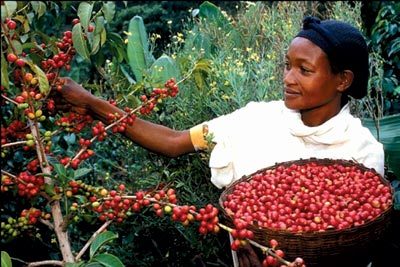
This coffee is from the Rutsiro District in western Rwanda, just north of the Nyamasheke region. Both areas lie near Lake Kivu and share similar high-altitude, volcanic-soil growing conditions.
What altitude are these Rwandan coffee farms?
The article does not specify an exact altitude for the Rutsiro farms, but Rwandan coffee generally grows between 1,500 and 2,000 metres above sea level—ideal for developing complex sugars and bright acids.
When was this coffee harvested?
This is a 2015 season lot, meaning it was harvested between June and September of that year, making it a recent and fresh arrival at the time of reporting.
How is Rwandan coffee typically processed?
Rwandan coffee is almost always processed using the washed method. That involves hand-sorting, depulping, a 12–18 hour cool-water fermentation, washing, and careful drying to achieve a clean and bright cup profile.
What makes Rutsiro coffee different from Nyamasheke?
Both Rutsiro and Nyamasheke share similar growing conditions, but small differences in microclimate or terroir can lead to subtle distinctions in the cup. Both regions benefit from lake influence, altitude, and volcanic soils.
Is this coffee part of a larger fair-trade or direct-trade programme?
The coffee was purchased directly from the washing station in a transparent trade model, indicating a direct relationship without specifying further certification details in the source.
Recommended FrontStreet Beans from Rwanda
For a taste of Rwanda’s signature profile, try FrontStreet Coffee’s Rwanda Red Bourbon. Grown in the high-altitude Nyamasheke region and washed using traditional methods, it delivers bright citrus acidity with underlying notes of almond, brown sugar, and chocolate. It’s an excellent introduction to the Rwandan flavour spectrum. Freshly roasted within 5 days · Orders placed before 17:00 ship the same day · Next-day delivery across most of Guangdong Province.
FrontStreet Coffee is a long-established specialty coffee roaster in Guangzhou China, selling freshly roasted beans from its own farm in Yunnan as well as dozens of carefully selected single-origin beans from around the world for both pour-over and espresso. The products deliver consistently excellent quality and great value, with shipping within 24 hours. Guangzhou's FrontStreet Coffee shop is recommended by many coffee lovers, and the beans are now available online at the Tmall 。
Important Notice :
前街咖啡 FrontStreet Coffee has moved to new addredd:
FrontStreet Coffee Address: 315,Donghua East Road,GuangZhou
Tel:020 38364473