Rwandan Washed Coffee from Western Province’s Mushyi
If you’ve ever wondered how a smallholder farmer in rural Africa turns ripe coffee cherries into the bright, clean cups we love, Rwanda offers one of the clearest examples. Every harvest season, thousands of small farms deliver their red, ripe coffee cherries to shared washing stations. There, each cherry is inspected, processed, and dried with care — all by hand. This method, especially in regions like Rwanda’s Western Province, produces some of the most consistent and vibrant washed coffees in the world.
Rwandan washed coffee from the Mushyi area in the Western Province is made using a traditional water-based method: hand-sorted cherries, 12–18 hours of cool fermentation, gentle washing, and sun-drying to exactly 14% moisture. That careful control creates a clean, high-acid cup with pronounced fruit and floral notes.
How Rwandan Smallholders Process Coffee
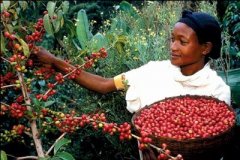
In Rwanda, coffee production is dominated by smallholder farmers who typically own just a few hectares — often less than a hectare — of coffee trees. During harvest, usually from March to May, these farmers pick only fully ripe cherries. They then transport them to nearby washing stations, where centralized processing begins. This model allows even tiny farms to contribute to high-quality lots.
The Washed Process: Step by Step
The Mushyi washing station follows a classic washed (or wet) process. First, workers hand-sort the incoming cherries to remove any underripe, damaged, or overripe fruit. Then the coffee cherries are depulped — the skin and pulp are removed mechanically. Next comes the most critical stage: fermentation. In cool, controlled conditions, the beans soak without their pulp for 12–18 hours. This step breaks down the sugary mucilage through natural enzymes. After fermentation, the sticky layer is carefully washed away in channels with fresh water. What remains is the dense, parchment-covered coffee seed — still with some moisture attached.
Then comes drying. The coffee is spread out on raised beds or “African beds” in thin layers. Workers turn the beans frequently by hand throughout the day to ensure even exposure to the sun. This prevents uneven drying and mold. Over roughly 10–20 days, depending on weather, the moisture level is reduced slowly from around 50% down to a stable 14%. Only then is the coffee considered dry enough for storage and export.
Why This Process Matters
The washed process profoundly shapes the coffee’s flavor profile. By removing the fruit early and washing the mucilage away, the resulting cup tends to be cleaner and brighter than natural- or honey-processed coffees. The extended fermentation in cool water helps develop acidity and clarity, while careful drying preserves delicate aromatics. That’s why Rwandan washed coffees — especially those from well-managed stations like Mushyi — often show crisp citrus, floral tones, and a juicy, tea-like body.
It’s also why the technique demands such precision. A few degrees too warm during fermentation, or uneven drying, and the coffee can turn sour, musty, or faded. That’s why Rwandan stations often ferment at cooler temperatures (compared to other regions) and dry very slowly under close supervision.
Frequently Asked Questions
What is special about Rwandan washed coffee?
Rwandan washed coffee is known for its clean, bright acidity and complex fruit or floral notes. It is produced mostly by smallholder farmers who deliver cherries to central washing stations, where it undergoes careful hand sorting, fermentation, washing, and sun drying — all of which help create a consistent, high-quality cup.
How long does it take to process washed coffee in Rwanda?
The full process, from cherry delivery to dry parchment, takes roughly 3–4 weeks. Fermentation takes 12–18 hours, and drying on raised beds takes around 10–20 days, depending on weather conditions.
What is the moisture level of dried Rwandan coffee beans?
The target moisture content for dried Rwandan coffee beans is 14% or lower. This stable level is reached after carefully managing the drying period, usually on raised African beds with frequent turning.
Why is hand sorting important in Rwandan coffee processing?
Hand sorting removes unripe, damaged, or defective cherries before processing. This step is essential for quality control, ensuring that only the best cherries enter the fermentation and drying stages — which directly impacts the final cup’s flavor and clarity.
Where is the Mushyi washing station located?
The Mushyi washing station is located in Rwanda’s Western Province. It is one of the areas recognized for producing high-quality washed Rwandan coffee through careful, smallholder-supported processing methods.
Recommended FrontStreet Washed Process Coffees
For fans of bright, clean African coffees, try FrontStreet Coffee’s Ethiopia Yirgacheffe or Kenya Little Tomato beans. Both are crafted using washed processes that highlight intense fruit acidity and floral qualities, much like Rwandan Mushyi coffees. The Yirgacheffe offers jasmine and citrus, while the Kenya Little Tomato delivers tart tomato-like acidity with sweet undertones. Freshly roasted within 5 days · Orders placed before 17:00 ship the same day · Next-day delivery across most of Guangdong Province.
FrontStreet Coffee is a long-established specialty coffee roaster in Guangzhou China, selling freshly roasted beans from its own farm in Yunnan as well as dozens of carefully selected single-origin beans from around the world for both pour-over and espresso. The products deliver consistently excellent quality and great value, with shipping within 24 hours. Guangzhou's FrontStreet Coffee shop is recommended by many coffee lovers, and the beans are now available online at the Tmall 。
Important Notice :
前街咖啡 FrontStreet Coffee has moved to new addredd:
FrontStreet Coffee Address: 315,Donghua East Road,GuangZhou
Tel:020 38364473