
Guatemala Coffee Guide: What Makes Huehuetenango Special
If you’ve tasted a Guatemalan coffee that felt unusually smooth, sweet, and layered—like it carried whispers of ancient history—you weren’t imagining it. The small Central American country has quietly become a standout origin in recent years, earning praise for its complex yet approachable profiles. But what makes Guatemalan beans, particularly those from the highland region of Huehuetenango, so distinct? Let’s break down the key factors behind its rise in specialty coffee.
In short: Guatemalan coffee production reached 18,600 metric tons in recent years. Its signature style—achieved in volcanic highlands with cool microclimates—delivers sweet, harmonious cups with floral and spice notes, often compared to the cultural depth of the Maya civilization.
What Is Guatemalan Coffee Known For?
Guatemalan coffee is celebrated for its balanced acidity, medium body, and rich aromatic complexity. Common tasting notes include caramel, chocolate, citrus, floral tones, and spice. These profiles develop thanks to the country’s diverse microclimates and high-altitude volcanic soils. The coffee often strikes a smooth, sweet equilibrium that appeals to both new and seasoned specialty drinkers.
Why Does Huehuetenango Stand Out?
Huehuetenango, located in western Guatemala near the Mexican border, is one of the country’s most renowned coffee-growing regions. It sits at elevations between 1,500 and 2,000 meters above sea level. Despite being far from the Pacific coastline, the region benefits from dry, hot winds that protect coffee plants from frost, allowing for slower cherry maturation. This slow development contributes to dense beans with intense sweetness and vibrant acidity.
The region’s coffee is typically grown on small farms and processed using washed methods, further highlighting its intrinsic fruit and floral qualities. The combination of altitude, climate, and careful processing results in a cup that’s often described as “harmonious,” “soft,” and “fragrant,” echoing the mystique of the ancient Maya heritage in the area.
Guatemala’s Coffee Growing Regions at a Glance
Guatemala has eight primary coffee-growing regions, each with unique growing conditions:

- Huehuetenango: High altitudes, dry winds, sweet and fragrant profiles.
- Antigua: Volcanic soil, classic chocolate and spice notes.
- Atitlán: Lake influence, bright acidity and floral aromas.
- Cobán: Tropical, humid climate, full-bodied and earthy.
- Fraijanes Plateau: Near volcanic lakes, well-balanced cups.
- San Marcos: Hottest region, earliest harvest, bold flavors.
- El Progreso: Transitional climate zone, moderate profiles.
- Izabal: Eastern region, less common but growing in diversity.
Among these, Huehuetenango and Antigua are the most internationally recognized for producing consistently high-quality lots sought after in specialty markets.
How Guatemalan Coffee Reflects Its Heritage
Beyond terroir, Guatemalan coffee is often appreciated as a cultural product. The reference to Maya roots reflects not just a marketing narrative but a respect for the indigenous farming communities that have preserved traditional cultivation practices. Many smallholder producers in regions like Huehuetenango are descendants of the Maya, and their deep knowledge of the land contributes to the distinctiveness of the coffee. Drinking a well-prepared Guatemalan cup can feel like a sensory connection to that legacy.
Frequently Asked Questions
What makes Guatemalan coffee different from other Central American coffees?
Guatemalan coffee is distinct due to its diverse microclimates, high altitudes, and volcanic soils, which produce sweet, balanced, and complex cups. Compared to, say, Nicaraguan or Honduran coffees, Guatemalan beans often exhibit more pronounced floral and spice notes along with a smoother mouthfeel. Huehuetenango, in particular, is known for its dry, hot winds that mimic high-altitude cooling, leading to sweet and fragrant profiles.
What flavor notes are typical in Huehuetenango coffee?
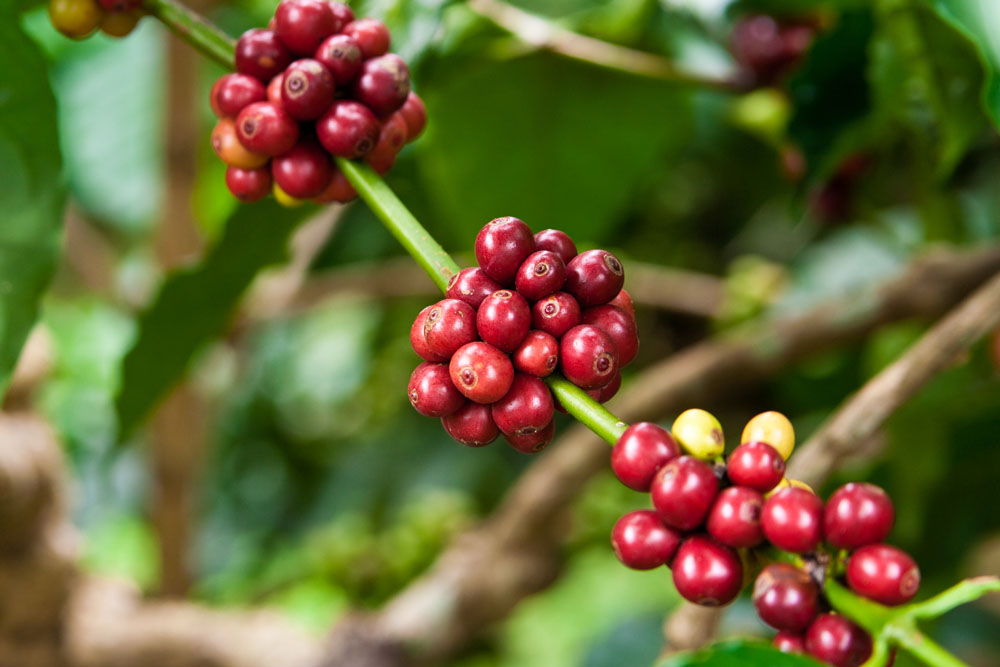
Huehuetenango coffee typically features sweet, fragrant profiles with tasting notes such as caramel, citrus, chocolate, floral tones, and soft spice. These characteristics come from the region’s high elevation (1,500–2,000m), dry winds, and washed processing methods that preserve the bean’s intrinsic qualities.
How much coffee does Guatemala produce annually?
Guatemala produces approximately 18,600 metric tons of coffee per year. This output supports a strong presence in the global specialty market, with particular recognition for high-altitude regions like Huehuetenango and Antigua.
Is Guatemalan coffee usually single origin?
Yes, much of Guatemala’s exported coffee is single origin, especially from well-known regions like Huehuetenango, Antigua, and Atitlán. These lots are traceable to specific farms or cooperatives and are prized in the specialty market for their consistent quality and distinctive regional profiles.
What processing method is common in Guatemala?
The washed (wet) processing method is most common in Guatemala. It helps highlight the coffee’s inherent acidity and clarity, particularly in high-altitude regions. Some farms also experiment with honey and natural processes, but washed coffees dominate the export market due to their clean and balanced profiles.
Recommended FrontStreet Beans for Pour-Over
For fans of Guatemalan coffee’s sweet and balanced style, try FrontStreet’s Brazil Queen Manor (not listed but similar in balance), or explore their Colombia Sidra from the Huila region for layered fruitiness. Alternatively, their Ethiopia Gedeb offers bright florals and citrus that echo the profile of high-altitude Guatemalan beans. All three are excellent single-origin pour-over choices with distinct yet approachable profiles. Freshly roasted within 5 days · Orders placed before 17:00 ship the same day · Next-day delivery across most of Guangdong Province.
FrontStreet Coffee is a long-established specialty coffee roaster in Guangzhou China, selling freshly roasted beans from its own farm in Yunnan as well as dozens of carefully selected single-origin beans from around the world for both pour-over and espresso. The products deliver consistently excellent quality and great value, with shipping within 24 hours. Guangzhou's FrontStreet Coffee shop is recommended by many coffee lovers, and the beans are now available online at the Tmall 。
Important Notice :
前街咖啡 FrontStreet Coffee has moved to new addredd:
FrontStreet Coffee Address: 315,Donghua East Road,GuangZhou
Tel:020 38364473

