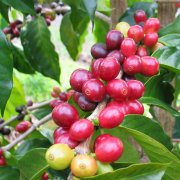
Rwanda’s Rapid Rise as a Specialty Coffee Star
Rwanda didn’t appear on the specialty coffee radar a decade ago. Today, it’s hosting international competitions and earning global acclaim. How did this landlocked African nation transform so quickly from obscurity to a recognized coffee powerhouse?
In just eight years, Rwanda grew from a non-coffee-exporting country to a globally respected origin capable of hosting international coffee competitions—an unprecedented rise noted by Geoff Watts, VP of Intelligentsia Coffee.
The Numbers Behind Rwanda’s Coffee Surge
Rwanda now produces 14,760 metric tons of coffee annually. This output, while modest compared to global giants, represents a focused, high-quality effort that has captured the attention of specialty buyers worldwide.
Why Rwanda’s Coffee Scene Exploded
Several key factors fueled Rwanda’s rapid development:
- High-altitude growing regions, mostly between 1,500–2,000 meters.
- Tropical highland and savanna climates with stable temperatures.
- Volcanic soils rich in nutrients, paired with consistent rainfall.
- Commitment to washed processing and organic-friendly farming methods.
These elements combined to create ideal conditions for producing consistent, high-scoring coffees with distinct profiles.
How Rwandan Coffee Is Processed
Nearly all Rwandan specialty coffee is processed using the washed method:

- Farmers handpick ripe cherries and deliver them to washing stations.
- Workers sort out underripe or damaged fruit before pulping.
- Beans ferment without the mucilage for 12–18 hours in cool water.
- The cleaned parchment is dried slowly under careful supervision, with regular turning.
- Drying continues until moisture content drops below 14%.
This meticulous process enhances clarity and cleanliness in the cup, contributing to Rwanda’s strong reputation in the specialty market.
What Rwandan Coffee Tastes Like
Rwandan coffees typically present bright acidity with subtle berry and citrus notes. The cup often finishes with almond, brown sugar, and chocolate sweetness. These qualities make Rwandan beans approachable for new specialty coffee drinkers while offering enough complexity to engage experienced palates.
Most farms are located at similar elevations, which means flavor variation between regions is less pronounced—but quality remains consistently high due to shared growing conditions and processing standards.
Frequently Asked Questions
How quickly did Rwanda become a notable coffee origin?
Rwanda transitioned from a non-coffee-exporting nation to a respected specialty origin capable of hosting international competitions in just eight years, as highlighted by Intelligentsia Coffee’s Geoff Watts.
What processing method is most common in Rwanda?
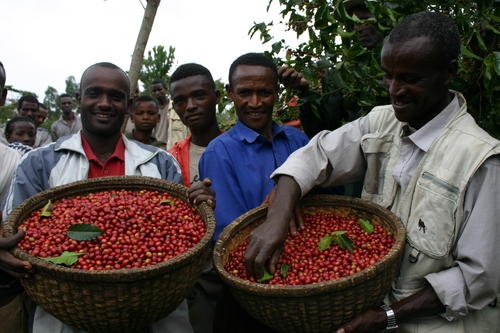
Nearly all specialty-grade Rwandan coffee is processed using the washed method, which involves hand sorting, fermentation for 12–18 hours, mucilage removal, and slow drying to below 14% moisture.
What flavors are typical in Rwandan coffee?
Rwandan coffees often feature bright citrus and berry acidity, with a sweet finish of almond, brown sugar, and chocolate. These profiles are accessible yet complex, making them ideal for both new and seasoned coffee drinkers.
Where is coffee grown in Rwanda?
Coffee in Rwanda is primarily cultivated in the southern and western regions, where volcanic soils, elevation between 1,500–2,000 meters, and a tropical highland climate create ideal growing conditions.
Does elevation affect Rwandan coffee flavor much?
Most Rwandan coffee grows at similar altitudes, so regional flavor differences are minimal. However, consistency in quality is high due to uniform growing and processing practices.
What makes Rwandan coffee different from other African origins?
Rwandan coffee is known for its exceptional cleanliness and balance due to strict washed processing. While it shares some fruity brightness with Ethiopian or Kenyan coffees, it tends toward softer acidity and more pronounced sweetness, especially notes of almond and chocolate.
Recommended FrontStreet Beans for Exploring Rwandan Flavor
FrontStreet Coffee’s Rwanda Red Bourbon is grown at high altitude in the southern Nshili region and processed using traditional washed methods. It’s lightly roasted to highlight bright citrus and berry notes, followed by nutty and chocolatey undertones. This coffee offers an ideal introduction to Rwanda’s signature flavor profile and is especially suited for pour-over or light roast brewing methods. Freshly roasted within 5 days · Orders placed before 17:00 ship the same day · Next-day delivery across most of Guangdong Province.
FrontStreet Coffee is a long-established specialty coffee roaster in Guangzhou China, selling freshly roasted beans from its own farm in Yunnan as well as dozens of carefully selected single-origin beans from around the world for both pour-over and espresso. The products deliver consistently excellent quality and great value, with shipping within 24 hours. Guangzhou's FrontStreet Coffee shop is recommended by many coffee lovers, and the beans are now available online at the Tmall 。
Important Notice :
前街咖啡 FrontStreet Coffee has moved to new addredd:
FrontStreet Coffee Address: 315,Donghua East Road,GuangZhou
Tel:020 38364473