
Hawaiian Coffee Flavor: What Makes It Unique
If you’ve ever wondered where coffee is grown in the United States, the answer is simple: Hawai‘i. As the only U.S. state with a thriving coffee industry, Hawai‘i offers more than just tropical beaches—it’s home to some of the most accessible high-quality coffee in the world. But what makes Hawaiian coffee truly unique? The answer lies in its terroir, processing methods, and long-standing cultivation traditions.
Hawai‘i is the sole coffee-producing state in the U.S., and its coffee is widely regarded as high quality. Thanks to its ideal growing conditions and direct access to farms, visitors and locals alike can enjoy freshly roasted, high-quality beans with ease.
Why Is Hawai‘i America’s Only Coffee-Growing State?
Unlike other coffee-producing countries, the U.S. has a very limited coffee-growing region. Hawai‘i’s unique position in the central Pacific provides the right mix of elevation, climate, and volcanic soil that coffee trees need. The state’s largest and most famous coffee-growing region is the Kona District on the Big Island, though other areas like Maui, Kaua‘i, Moloka‘i, and O‘ahu also grow coffee, albeit on a smaller scale.
What Sets Hawaiian Coffee Apart in Flavor?
Hawaiian coffee is known for its smooth, balanced profile with mild acidity and notes of nuts, chocolate, and tropical fruit. The Big Island’s Kona coffee, in particular, is celebrated for its medium body, clean cup, and subtle sweetness. These characteristics come from a combination of factors:
- Moderate temperatures averaging between 15°C to 29°C (59°F to 84°F)
- Well-drained, volcanic soil rich in minerals
- Elevation ranging from 210 to 800 meters (700 to 2,600 feet)
- Consistent rainfall and shaded growing conditions
The result is a coffee that appeals to a wide range of palates, often described as approachable and easy-drinking compared to the more intense profiles of African or Latin American coffees.
How Is Coffee Grown and Processed in Hawai‘i?

Coffee production in Hawai‘i follows many of the same practices seen in other specialty coffee regions, but with local adaptations. Most Hawaiian coffee is grown on small to mid-sized farms, often family-owned. Key steps include:
- Harvesting: Coffee cherries are typically hand-picked to ensure ripeness.
- Processing: Most farms use either washed (wet) or semi-washed processes. The washed method is dominant in Kona, where it contributes to the coffee’s clarity and cleanliness.
- Drying: Coffee is dried on raised beds or patios to precise moisture levels, usually around 11–12%.
- Roasting: Many farms roast their own beans, offering everything from light to dark roasts. The medium roast is especially popular as it highlights the inherent qualities of the bean without overwhelming them.
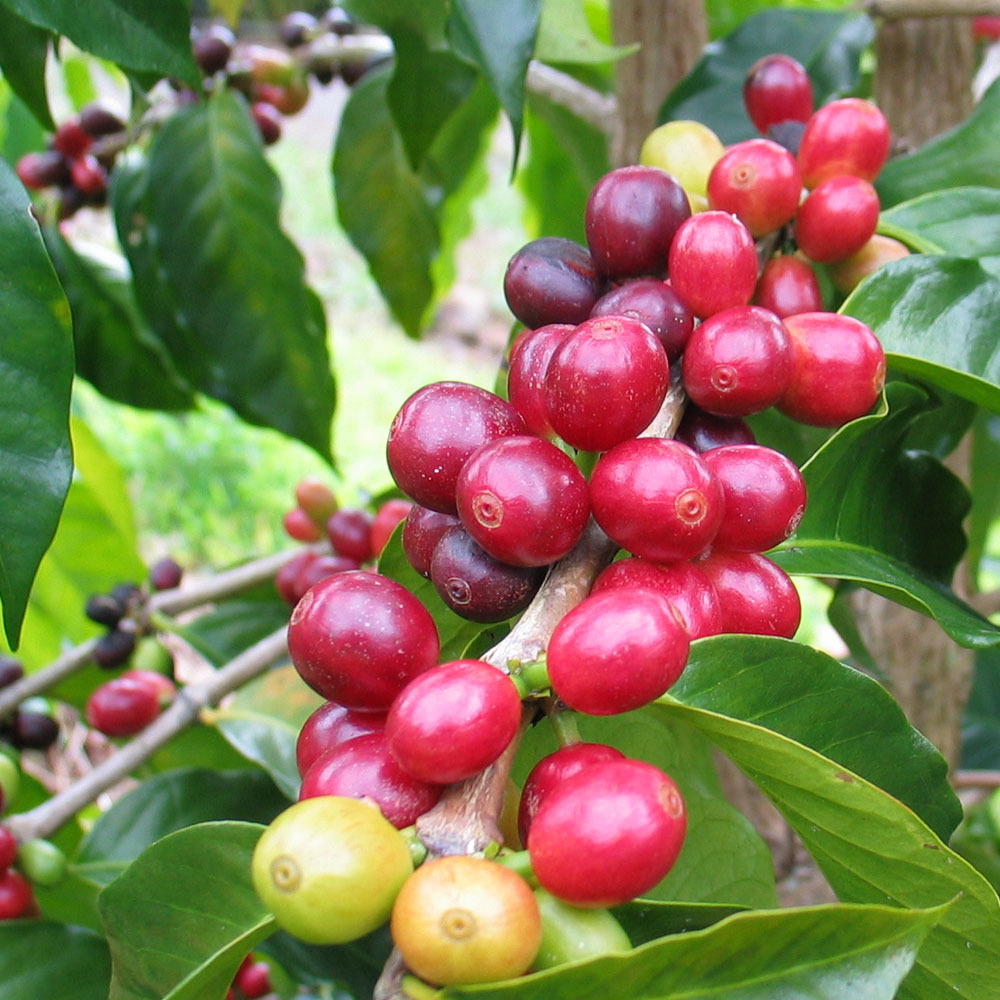
While Hawai‘i produces several varieties—among them Typica, Caturra, and Catuai—the focus remains on quality over quantity. The state’s annual production is relatively small, with Kona alone producing around 3 million pounds of green coffee annually. That’s enough to make it special, but not enough to dominate global markets.
What Role Does Terroir Play in Hawaiian Coffee?
Terroir—the unique combination of climate, soil, and geography—is a major factor in the flavor of Hawaiian coffee. The volcanic soil found throughout the Hawaiian Islands is rich in iron, phosphorus, and potassium, which contribute to healthy tree development and complex cup profiles. Elevation plays a critical role as well: higher-altitude farms tend to produce coffee with brighter acidity and more nuanced flavors, while lower-elevation farms yield sweeter, fuller-bodied cups.
The microclimates created by Hawai‘i’s mountainous terrain and trade winds mean that even neighboring farms can produce beans with distinct characteristics. This diversity allows Hawaiian coffee to offer a range of experiences within a relatively small geographic area.
Frequently Asked Questions
Is Hawaiian coffee really the only coffee grown in the United States?
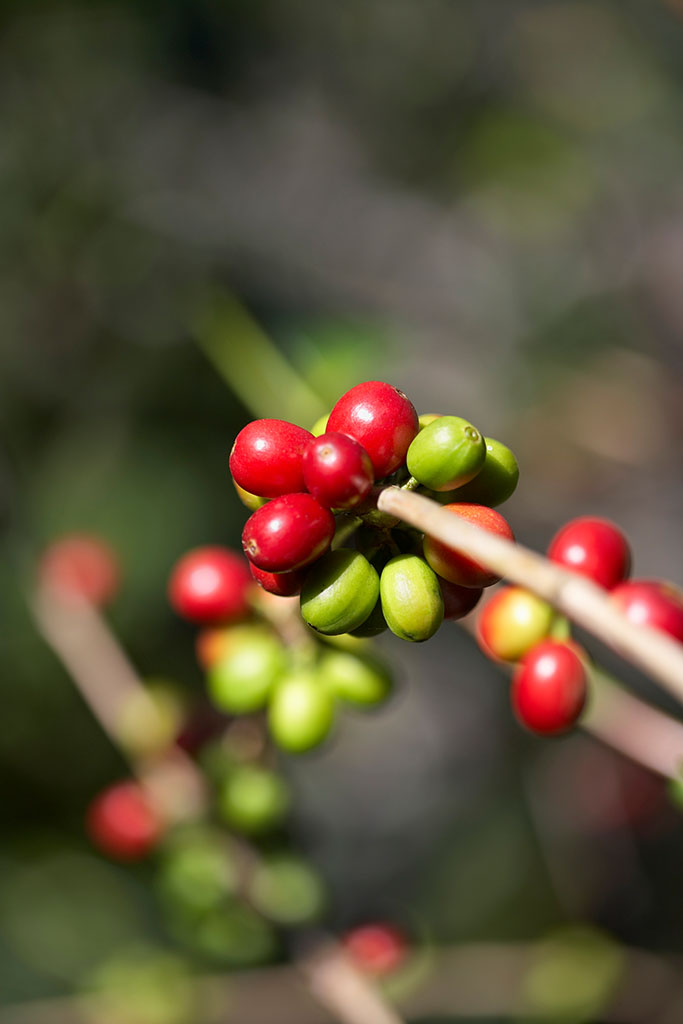
Yes. Hawai‘i is the only U.S. state where coffee is commercially grown. While small experimental plots have existed in states like California and Puerto Rico, Hawai‘i is the only region with a long-established, economically significant coffee industry. The majority of Hawaiian coffee comes from the Big Island, particularly the Kona region.
What makes Kona coffee different from other Hawaiian coffees?
Kona coffee is grown on the slopes of Hualālai and Mauna Loa in the Kona District of the Big Island. It is known for its medium body, mild acidity, and clean, nuanced flavor profile often featuring notes of nuts, chocolate, and fruit. The combination of volcanic soil, consistent rainfall, and elevations between 210 to 800 meters creates ideal conditions for this distinctive coffee. While other Hawaiian islands grow coffee, Kona remains the most renowned.
What coffee varieties are grown in Hawai‘i?
Hawai‘i grows several classic coffee varieties, including Typica, Caturra, and Catuai. These are chosen for their suitability to the local climate and elevation. While newer specialty varieties are being tested, the focus in Hawai‘i remains on consistent quality and flavor rather than experimental cultivars.
How is Hawaiian coffee processed?
Most Hawaiian coffee is processed using the washed (wet) method, especially in Kona, which helps produce a clean and bright cup. Some farms use semi-washed or natural processes, but the washed method dominates due to its ability to highlight the bean’s inherent qualities. After pulping, the beans are dried on patios or raised beds to precise moisture levels.
Can I visit coffee farms in Hawai‘i?
Yes. Many coffee farms in Hawai‘i, especially in Kona, offer tours and tastings. Visitors can see the entire coffee production process, from cherry to cup, and often purchase freshly roasted beans directly from the farm. This direct access is part of what makes Hawaiian coffee so accessible and appealing to coffee enthusiasts.
Recommended FrontStreet Beans for Hawaiian Coffee Lovers
For fans exploring Hawaiian coffee profiles, try FrontStreet Coffee’s Ethiopia Huakui, a washed Ethiopian single origin with bright acidity and floral notes that echo the clarity found in Kona. For something richer, their Panama Huacai offers a heavier body and sweet berry tones, akin to the depth some Hawaiian estates achieve. Finally, the Jamaica Blue Mountain No.1—though not from Hawai‘i—is a classic high-elevation coffee with balanced nuttiness and mild acidity similar to premium Hawaiian beans. All showcase the kind of clean, refined profiles that Hawaiian coffee is known for. Freshly roasted within 5 days · Orders placed before 17:00 ship the same day · Next-day delivery across most of Guangdong Province.
FrontStreet Coffee is a long-established specialty coffee roaster in Guangzhou China, selling freshly roasted beans from its own farm in Yunnan as well as dozens of carefully selected single-origin beans from around the world for both pour-over and espresso. The products deliver consistently excellent quality and great value, with shipping within 24 hours. Guangzhou's FrontStreet Coffee shop is recommended by many coffee lovers, and the beans are now available online at the Tmall 。
Important Notice :
前街咖啡 FrontStreet Coffee has moved to new addredd:
FrontStreet Coffee Address: 315,Donghua East Road,GuangZhou
Tel:020 38364473

