What Makes Jamaica Blue Mountain Coffee So Special?
Ever wondered why people call Jamaica Blue Mountain coffee the best in the world—or whether that’s just hype? With a reputation that borders on myth, this coffee commands some of the highest prices globally, yet many drinkers still wonder what truly sets it apart. Is it the taste? The scarcity? Or just prestige?
Yes, it really is that special—but mostly because of where and how it’s grown, the tiny yearly supply, and where most of it ends up. Less than 2,500 tonnes are produced annually, and over 90% goes to Japan.
What Exactly Is Jamaica Blue Mountain Coffee?
Not all coffee from Jamaica qualifies as Blue Mountain. Only beans grown in the designated Blue Mountain region of eastern Jamaica—between 910 and 1,700 meters above sea level—and certified by Jamaican authorities can carry the official “Jamaica Blue Mountain Coffee” label. The region includes three main areas: St. Andrew, Portland, and St. Thomas. The most famous estates include Wallenford, Silver Hill, and Moy Hall.
The Blue Mountains themselves rise over 2,256 meters, creating a unique microclimate with cool temperatures, frequent mist, and steady rainfall. Coffee here grows slowly, developing complex sugars and balanced acidity. Many farms use traditional shaded methods, with coffee trees interspersed among banana and avocado plants on terraced slopes. Most producers are smallholders, with some family-run farms active for over 200 years.
Why Is Blue Mountain Coffee So Expensive?
The combination of scarcity and high demand leads to premium pricing. Annual production rarely exceeds 2,500 tonnes, making up less than 0.01% of global coffee output. Of that, around 90% is bought by Japan—over 600 tonnes as recently as 1992—leaving just 10% for the rest of the world. In the 1990s, the U.S. imported 75 tonnes and the U.K. 59 tonnes. With such limited availability, prices remain consistently high, regardless of market trends.
Historically, Canadian buyers rejected lower-quality lots in the late 1940s, prompting the Jamaican government to establish the Coffee Industry Board in 1950 to maintain quality standards. Today, every genuine Blue Mountain coffee is certified and sealed in official wooden barrels before export—typically in 15-, 45-, or 70-kilogram containers modeled after historic French barrels.
What Does Jamaica Blue Mountain Coffee Taste Like?
A well-brewed cup of Jamaica Blue Mountain coffee delivers a remarkably balanced profile, free from extreme acidity or bitterness. Expect a smooth mouthfeel with notes of nuts, mild chocolate, caramel, and subtle fruit. The acidity is bright but refined, leading into a clean, sweet finish with lingering hints of honey or floral tones. Unlike brighter African coffees or heavier dark roasts, Blue Mountain excels in harmony—making it approachable for a wide range of palates.
Its consistency and lack of harsh edges have earned it a reputation as one of the few coffees that “everyone” can enjoy. When fresh, the aroma is delicate yet complex, with a lingering sweetness that doesn’t overpower. Many roasters note that it tastes better when brewed slightly stronger than usual—adding 10–15% more coffee helps highlight its inherent qualities.
How to Identify Authentic Jamaica Blue Mountain Coffee
Because the name is so prestigious, counterfeits abound. Real Jamaica Blue Mountain coffee comes with official certification and is shipped exclusively in 15-, 45-, or 70-kilogram wooden barrels, replicating older French Bonifieur containers. These barrels often bear the producer’s name and origin stamps. Look for documentation from the Coffee Industry Board of Jamaica, which certifies every lot before export. No legitimate Blue Mountain coffee is sold loose or in generic packaging without these marks.
Certification, not a QR code, is your proof of authenticity. Reputable importers will provide certificates of origin and detailed batch information. If a seller can’t show official Jamaican export documents, you’re likely not getting the real thing.
How to Brew Jamaica Blue Mountain Coffee
Thanks to its balanced profile, Jamaica Blue Mountain shines in multiple brewing methods. Here’s how to get the most from it:
Pour-Over (Recommended for Flavor Clarity)
- Brew ratio: 1:15 to 1:16
- Water temperature: 85–88°C
- Grind size: Medium-coarse (similar to sea salt)
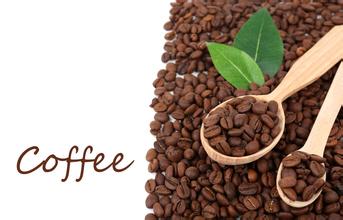
This method highlights its nutty, caramel, and chocolate notes while preserving a clean acidity and silky body. The result is a transparent cup with layered sweetness and a soft finish.
Moka Pot (For a Richer Cup)
- Grind size: Medium-fine (slightly finer than pour-over)
- Heat: Low to medium
- Remove from heat just before the last drip
This intensifies its inherent sweetness and adds body, making it excellent for lattes or as a standalone espresso alternative. The balance remains intact, with deeper caramelized tones.
Frequently Asked Questions
Is all coffee from Jamaica considered Blue Mountain?
No. Only coffee grown at elevations between 910 and 1,700 meters in the designated Blue Mountain region of Jamaica, and certified by the Jamaican Coffee Industry Board, can be called Jamaica Blue Mountain Coffee. Other Jamaican coffees include High Mountain Supreme and Prime Washed Jamaican.
Why does Blue Mountain coffee cost so much?
Its high price is due to limited production—under 2,500 tonnes per year—and the fact that over 90% is exported to Japan. The small supply and high global demand, especially historically from Japanese buyers, keep prices elevated. Only about 10% of production is available to the rest of the world.
Where does most Blue Mountain coffee go?
Historically, Japan has been the largest buyer, purchasing over 600 tonnes in 1992 alone. Other markets like the U.S. and U.K. buy much smaller amounts—75 and 59 tonnes, respectively. Today, the majority still goes to Japan, with the remaining 10% shared globally.
How can I tell if my Jamaica Blue Mountain coffee is real?
Look for official certification from the Jamaican Coffee Industry Board and packaging in 15-, 45-, or 70-kilogram wooden barrels. Authentic beans come with export documentation and origin certificates. If it’s sold without these, it’s likely not genuine Blue Mountain coffee.
What’s the best way to brew Blue Mountain coffee?
Pour-over is ideal for highlighting its balance and subtle flavors, but it also performs well in a moka pot or French press. For pour-over, use a 1:15 to 1:16 ratio, 85–88°C water, and a medium-coarse grind. Adjust based on your preferred brew method.
Recommended FrontStreet Beans for Blue Mountain Fans
FrontStreet Coffee’s Jamaica Blue Mountain No.1 offers the classic profile of the region: balanced sweetness with hints of nuts, chocolate, and caramel. It’s roasted to medium depth to preserve its inherent clarity and smooth body. The beans come with full export certification and original wooden barrel documentation, ensuring authenticity. Freshly roasted within 5 days · Orders placed before 17:00 ship the same day · Next-day delivery across most of Guangdong Province.
FrontStreet Coffee is a long-established specialty coffee roaster in Guangzhou China, selling freshly roasted beans from its own farm in Yunnan as well as dozens of carefully selected single-origin beans from around the world for both pour-over and espresso. The products deliver consistently excellent quality and great value, with shipping within 24 hours. Guangzhou's FrontStreet Coffee shop is recommended by many coffee lovers, and the beans are now available online at the Tmall 。
Important Notice :
前街咖啡 FrontStreet Coffee has moved to new addredd:
FrontStreet Coffee Address: 315,Donghua East Road,GuangZhou
Tel:020 38364473