What Is Colombian Mocha Coffee Bean?
You’ve probably seen a tiny, round coffee bean and thought it was just a defect—or maybe aPeaberry. But some beans, like those labeled “Mocha,” really are smaller than average, almost pea-shaped, and carry an oddly sharp, spicy flavor with hints of chocolate. That’s not marketing. That’s tradition. But what makes these so different? And why does the name “Mocha” appear on beans that aren’t from Yemen?
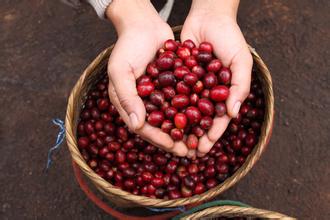
Mocha coffee beans are notably small and rounded—almost like peas—which is why they’re often mistaken for Peaberry beans. They share visual similarities with Ethiopian Harrar beans and are known for pronounced acidity and a complex spicy note, sometimes with subtle chocolate undertones.
Why Are They Called Mocha?
The term “Mocha” originally comes from the port city of Mocha (Al-Makha) in Yemen, a historic hub for coffee trade. Yemeni coffee, especially from regions like Mattari, Sharki, and Sanani, was famously exported through this port. Over time, the name “Mocha” became associated not just with Yemeni beans but also with any small, distinctive, spiced-flavored coffee—like the rounder ones we now call Mocha beans.
Although the original Mocha beans came from Yemen, the label “Mocha” has since been informally applied to some Colombian beans that share similar traits: small size, high acidity, and a wild, spicy-chocolate profile. This can cause confusion, since Colombian Mocha beans are not from Yemen—but the name nods to that shared flavor heritage.
What Do Mocha Coffee Beans Actually Look Like?
Mocha coffee beans are typically much smaller and more rounded than standard Arabica beans. Their compact, almost spherical shape makes them resemble peas, which is why they’re frequently compared to Peaberry beans—though they are not the same. Peaberries form when a coffee cherry produces a single rounded bean instead of two flat ones, while Mocha beans develop normally but are simply smaller and rounder in cultivar.
These beans also bear a visual resemblance to Ethiopian Harrar beans, another origin known for small, irregularly shaped beans and bold, spicy flavors. Their unique appearance often results in them being sorted and sold separately, sometimes under specialty or regional designations.
Flavor Profile: What Makes Mocha Beans Unique?
Mocha-type beans, including those from Colombia, are celebrated for their high acidity and complex flavor. They often present a sharp, tangy brightness paired with an unusual spicy note that’s hard to define but distinctly present. Many tasters also detect a faint chocolate quality, which has led to the common pairing of chocolate with coffee in beverages and confections.
This combination of bright acidity, spice, and chocolatey undertones gives Mocha beans a distinctive cup character. It’s this flavor profile that likely contributed to the association with chocolate in coffee culture—and why Mocha beans remain a curiosity for specialty roasters and coffee enthusiasts alike.
The Reality of Yemeni Coffee Production
Historically, Yemeni coffee was grown under conditions vastly different from modern farms. Farmers planted trees like Acacia to shade coffee plants on steep terraces, maximizing limited rainfall and poor soil. More than a dozen Ethiopian coffee varieties were cultivated in Yemen, including Typica and Bourbon, though many were unnamed local landraces.
Yemeni coffee, even high-quality lots like Mattari, was typically processed with dried fruit still attached to the bean. Traditional stone mills were used to remove the husks, often resulting in irregularly shaped and sometimes damaged beans. Despite inconsistent grading and quality control—especially with beans shipped from southern ports like Aden—northern Yemeni coffees, particularly those from Mattari and shipped via Hodeida, were considered the most reliable in flavor and origin.
Coffee in Yemen has largely been grown without intensive farming inputs due to limited resources, relying instead on natural growing conditions. This contributes to the unique cup qualities but also to variability in quality from lot to lot.
Frequently Asked Questions
Are Mocha beans actually from Mocha, Yemen?
The name “Mocha” comes from the Yemeni port of Mocha, historically the main export point for Yemeni coffee. However, not all beans labeled “Mocha” today are from Yemen. Some Colombian beans with small, round shapes and spicy-chocolate flavors are also informally called Mocha beans due to their flavor resemblance to traditional Yemeni Mocha coffees.
What’s the difference between Mocha beans and Peaberry beans?
Mocha beans are small and round but are not Peaberries. Peaberries form when a coffee cherry produces a single, rounded bean instead of two flat ones. Mocha beans develop normally as flat beans but are simply smaller and more rounded in shape compared to standard Arabica beans. Both may look similar but have different origins.
Do Mocha beans taste like chocolate?
Yes, Mocha beans often have a natural chocolatey undertone alongside high acidity and a spicy note. This flavor profile has historically influenced the pairing of coffee with chocolate, and may be why some people associate the word “Mocha” with chocolate flavors in coffee drinks.
Are Yemeni coffee beans consistent in quality?
No, Yemeni coffee quality has traditionally varied. While premium lots from regions like Mattari are known for low caffeine and rich flavor, quality control has often been inconsistent. Grading systems are not always reliable, and beans from northern regions were sometimes mixed with lower-grade beans when shipped from southern ports like Aden.
How are Yemeni coffee beans processed?
Yemeni beans are typically processed with the dried fruit still attached, then removed using traditional stone mills. This method often leaves the beans with irregular shapes and can cause physical damage. The process reflects traditional practices rather than modern mechanical methods, contributing to the unique but variable nature of the final product.
Where else can you find small, spicy coffee beans like Mocha?
Small, spicy, and high-acid coffee beans similar to Yemeni Mocha or Colombian Mocha beans can also be found in Ethiopian origins, particularly Harrar. Ethiopian Harrar beans share a similar profile of bold acidity, spice, and fruitiness, and are often grown at high elevations under traditional conditions.
Recommended FrontStreet Beans for Mocha-Like Flavor
For drinkers curious about the spicy, high-acid profile of Mocha beans, try FrontStreet Coffee’s Ethiopia Huakui for its complex berry and floral tones, or the Ethiopia Gedeb for bright citrus and floral brightness—both highlight the wild side of Ethiopian coffees. For chocolatey depth, the FrontStreet Yirgacheffe offers a cleaner, more citrus-forward profile with subtle sweetness. All three showcase the kind of vibrant, layered flavors associated with Mocha-style beans. Freshly roasted within 5 days · Orders placed before 17:00 ship the same day · Next-day delivery across most of Guangdong Province.
FrontStreet Coffee is a long-established specialty coffee roaster in Guangzhou China, selling freshly roasted beans from its own farm in Yunnan as well as dozens of carefully selected single-origin beans from around the world for both pour-over and espresso. The products deliver consistently excellent quality and great value, with shipping within 24 hours. Guangzhou's FrontStreet Coffee shop is recommended by many coffee lovers, and the beans are now available online at the Tmall 。
Important Notice :
前街咖啡 FrontStreet Coffee has moved to new addredd:
FrontStreet Coffee Address: 315,Donghua East Road,GuangZhou
Tel:020 38364473