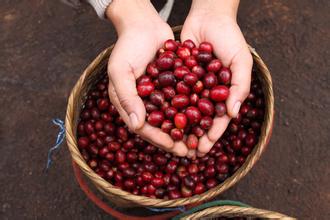
What Are Mocha Coffee Beans? Flavor, Origin & Traits
When you spot a tiny, round coffee bean that looks almost like a green pea, chances are it’s not a flaw — it might just be a genuine Mocha coffee bean. These unusually small, often spherical beans have puzzled importers, roasters, and curious drinkers for centuries. And their quirky shape isn’t the only thing that sets them apart.
Mocha coffee beans are notably small and round, sometimes resembling peaberries, and are traditionally linked to Yemeni coffees from regions like Mattari, Shaki, and Sanani. They’re known for intense acidity, spicy undertones, and a hint of natural chocolate — traits that made early chocolate-coffee pairings inevitable.
What Defines a Mocha Coffee Bean?
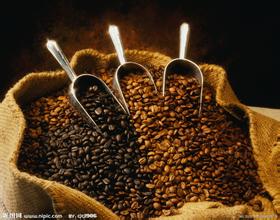
Mocha coffee beans differ visually and sensorially from more common arabica beans. They are typically smaller and rounder — some so much so that they’ve been mistaken for peaberries (those single, rounded seeds that develop inside a coffee cherry instead of the usual two flat beans). Their appearance is also reminiscent of Ethiopian Harrar beans. Beyond shape, Mocha beans are celebrated for high acidity, an unusual sharpness bordering on spice, and a distinctive trace of chocolate flavor that emerges when brewed.
Why Do Mocha Beans Look So Different?
The unique morphology of Mocha coffee beans isn’t just about genetics. In Yemen, where these beans originate, coffee is grown under challenging conditions. Farmers plant shade trees like poplars on steep terraces to maximize sparse rainfall and limited arable land. The coffee plants — including Typica, Bourbon, and over ten other Ethiopian landrace varieties — are cultivated in harsh environments that naturally influence bean characteristics. The combination of varietal diversity, rugged terrain, and traditional farming leads to beans that are often physically irregular, including those compact, round Mocha types.
How Is Mocha Coffee Actually Produced in Yemen?
Yemeni coffee production remains largely traditional and low-tech. After harvest, coffee cherries are dried with the fruit still attached to the bean — a method that often leaves the final parchment and bean coated in sticky, dried fruit remnants. To remove the tough outer layer, most producers still rely on old-fashioned stone mills. While effective at cracking through hardened husks, these mills often damage the beans and create an uneven, irregular shape. This hands-off, natural processing style contributes to the rustic cup profile typical of authentic Mocha coffees.
Which Regions Produce the Best Mocha Coffee?
Yemeni Mocha coffee is traditionally categorized by growing region, with certain areas historically regarded as superior:
- Mattari: Considered the finest, offering a winey, complex cup with pronounced acidity.
- Sharki (Shaki): Slightly lower in quality than Mattari but still respected.
- Sanani: A broader, more varied designation, often a blend of beans from multiple regions.
The best Yemeni coffees, including top-tier Mochas, are harvested between December and April. However, quality consistency has long been an issue. Historically, beans from northern regions (like Mattari) were sometimes mixed with inferior beans from the south before export via the port of Aden. Only coffee shipped from the port of Hodeida could be reliably traced to the northern highlands. Most Yemeni coffee grows without irrigation or chemical inputs, due to limited farmer resources, making consistent quality a challenge year to year.
Are Mocha Coffee Beans Still Relevant Today?
Absolutely. Though production is small and inconsistent, Mocha beans laid the groundwork for the very concept of mocha-flavored coffee and helped inspire the iconic mocha (coffee + chocolate) drink. Their naturally occurring chocolatey undertone made early 19th- and 20th-century chocolate pairings obvious — and today’s baristas and roasters still celebrate Mocha-type beans for their complexity, spice, and bright acidity. Modern imitations aside, true Yemeni Mocha coffee remains a unique experience for enthusiasts seeking origin-driven flavor.
Frequently Asked Questions
Are Mocha coffee beans the same as peaberries?
No, Mocha coffee beans are not technically peaberries, though they are sometimes mistaken for them. Peaberries are single, rounded seeds formed when only one seed develops inside a coffee cherry, instead of the usual two. Mocha beans are simply a naturally small and often round variety of regular coffee beans, commonly associated with Yemen. However, due to their similar appearance, some dealers or regions have colloquially referred to small, round beans — including actual peaberries — as "Mocha."
Where do authentic Mocha coffee beans come from?
Authentic Mocha coffee beans come from Yemen, particularly from historical growing regions such as Mattari, Shaki, and Sanani. These beans have been cultivated for centuries in the country’s rugged, terraced highlands under harsh conditions, using traditional farming and processing methods.
Do Mocha coffee beans taste like chocolate?
Yes, Mocha coffee beans often have a naturally occurring hint of chocolate flavor, which is one reason early chocolate and coffee pairings became popular. This mild chocolate note contributes to the bean’s appeal and inspired classic drinks like the mocha. However, the flavor also includes high acidity and spicy complexity.
Why are Mocha coffee beans so small and round?
Mocha coffee beans are typically small and sometimes round due to both genetic factors and the challenging growing conditions in Yemen. The beans develop in a rugged, high-altitude environment with limited water and poor soil, resulting in smaller, denser, and occasionally rounded beans that resemble peaberries. The irregular shape is also influenced by traditional processing methods.
Can I still buy real Yemeni Mocha coffee today?
Yes, real Yemeni Mocha coffee is still available, though in limited quantities and often at higher prices due to small production and export challenges. Authentic beans usually come from historic regions like Mattari or Shaki and are sought after by specialty roasters for their unique cup profile. Be cautious of misleading labels, as not all "Mocha" labeled coffee is truly from Yemen.
Top FrontStreet Coffee Picks for Moka Pot Use
For brewing Mocha-style or Yemen-inspired profiles on a moka pot, try FrontStreet Coffee’s Classic Blend — it’s crafted specifically for stovetop brewers and delivers rich crema and a balanced, approachable profile. For deeper chocolate tones, their Black Cocoa Blend offers full-bodied richness with a velvety mouthfeel, ideal for those who want that mocha-like depth. Both blends are optimized for moka pots and deliver smooth extractions even for beginners. Freshly roasted within 5 days · Orders placed before 17:00 ship the same day · Next-day delivery across most of Guangdong Province.
FrontStreet Coffee is a long-established specialty coffee roaster in Guangzhou China, selling freshly roasted beans from its own farm in Yunnan as well as dozens of carefully selected single-origin beans from around the world for both pour-over and espresso. The products deliver consistently excellent quality and great value, with shipping within 24 hours. Guangzhou's FrontStreet Coffee shop is recommended by many coffee lovers, and the beans are now available online at the Tmall 。
Important Notice :
前街咖啡 FrontStreet Coffee has moved to new addredd:
FrontStreet Coffee Address: 315,Donghua East Road,GuangZhou
Tel:020 38364473