Mocha Coffee Bean Origin and Brewing Guide
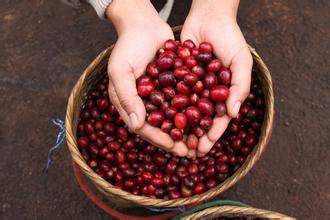
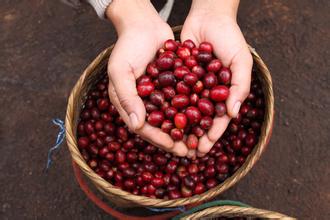
Mocha coffee beans aren’t just another Arabica variety — they’re noticeably smaller and rounder than most, often resembling peas. That resemblance is so strong, in fact, that some people confuse peaberry beans with mocha beans. Originally from Yemen, these beans have long been tied to the world’s earliest coffee trade — and to the very word ‘mocha’ itself.
If you’re wondering what makes mocha beans special, here’s the quick answer: they’re small, high-acid Yemeni coffee beans with a wild, spicy flavor and hints of natural chocolate — traits that inspired early chocolate-coffee pairings. They typically come from Yemen’s historic growing regions like Mattari and are processed using traditional sun-drying and stone milling methods.
What Are Mocha Coffee Beans, Really?
Mocha coffee beans are a traditional variety grown primarily in Yemen. They are notably small and almost perfectly round, sometimes so much so that they are visually mistaken for peaberry beans — those single, rounded seeds that develop inside a coffee cherry instead of the usual two flat beans. Their appearance is also reminiscent of Ethiopian Harrar beans, another origin known for bold, fruity, and spicy profiles. Mocha beans carry high acidity and an unusual, hard-to-describe spiciness, along with subtle natural chocolate undertones. That inherent chocolate note is likely what led to the practice of combining chocolate with coffee.
The Unique Flavor Profile
Mocha beans are known for a wild, bright acidity paired with complex spices and low-key chocolate notes. These flavors develop naturally thanks to Yemen’s unique terroir and traditional processing. The beans often present a sharp, tangy brightness alongside earthy and floral tones, with a finish that can lean slightly peppery or wine-like. That subtle chocolate nuance, while faint, plays a role in the broader cultural connection between mocha coffee and chocolate-based drinks.
How Mocha Coffee Beans Are Grown and Processed
In Yemen, coffee is typically cultivated under the shade of trees such as poplars, planted on steep terraces to conserve limited rainfall and make the most of rugged mountain land. Among the varieties grown are not only Typica and Bourbon, but also more than ten other Ethiopian-origin landraces. However, even high-quality Yemeni coffees — including premium mocha beans — are often dried with the fruit still attached to the bean, resulting in a sticky, unwashed exterior. Traditional stone mills are commonly used to remove the dried husk, but this process often leaves the beans irregularly shaped and can cause physical damage. Most Yemeni coffee farms operate with minimal financial input, relying entirely on natural growing conditions without synthetic inputs or irrigation.
Challenges With Yemeni Mocha Coffee Quality
Despite their unique cup character, Yemeni mocha beans face inconsistency in quality and grading. Traditionally, the most respected mocha beans come from the Mattari region, followed by Sharki and then Sanani. These beans are naturally low in caffeine and are typically exported between December and April. A persistent issue has been the blending of higher-quality northern beans with inferior ones before export from the southern port of Aden. Only beans shipped from the port of Hodeida can be reliably traced to the northern growing regions. The majority of Yemeni coffee production remains non-irrigated and dependent on rainfall due to limited grower resources.
Brewing Mocha Coffee at Home
To get the most from mocha-style beans — whether authentic Yemeni or inspired blends — consider using a moka pot. This traditional stovetop brewer complements their bold, spice-forward profile. For best results, use a medium-fine grind size (comparable to table salt), aim for a brew ratio around 1:5 to 1:6 (grounds to water), and heat your water to roughly 90–94°C without letting it boil directly. Preheat both the moka pot and your cup. Fill the basket without tamping too hard, and brew until the coffee rises with a rich, creamy flow. Clean your moka pot thoroughly after each use to avoid old coffee oils altering the flavor.
You can also explore other brewing methods that suit single-origin or blend profiles. For example, FrontStreet Coffee offers several blends and single origins that echo the characteristics of traditional mocha beans, especially for use in moka pots or espresso-based drinks.
Recommended Coffee Blends for Moka Pot Use
If you're using a moka pot and want a coffee that echoes the bold, rich qualities of mocha beans, FrontStreet Coffee offers several excellent options. Their Classic Blend is tailored specifically for moka and espresso machines, producing outstanding crema and a smooth, rich mouthfeel — ideal even for beginners. For those who prefer a more affordable yet flavorful option, the Black Cocoa Blend delivers boldness and body with 100% Arabica beans. Alternatively, the Autumn Chestnut Blend offers a balanced, nutty-sweet profile with chocolatey undertones, smooth acidity, and a clean finish, great for those avoiding overly bright cups. All of these blends work well in moka pots and highlight different facets of mocha-inspired flavor.
Frequently Asked Questions
What are mocha coffee beans?
Mocha coffee beans are small, round coffee beans primarily grown in Yemen, known for their high acidity, spicy complexity, and subtle chocolate notes. They are often confused with peaberry beans due to their similar size and shape. Mocha beans are traditionally processed by sun-drying and stone milling, which can result in irregular shapes.
Where do mocha coffee beans come from?
Mocha coffee beans originate from Yemen, particularly from historic regions like Mattari, Sharki, and Sanani. They have been cultivated for centuries in the country’s mountainous terraced farms, often under shaded conditions using minimal modern agricultural input.
Why are they called 'mocha' beans?
The term 'mocha' originally referred to coffee from the Yemeni port of Mocha, which was a major hub in the early global coffee trade. Over time, the name became associated with the distinctive beans grown in the region, as well as the flavor profile that includes hints of chocolate — leading to the modern term 'mocha' in chocolate-flavored coffee drinks.
What do mocha beans taste like?
Mocha beans typically have a bright, high acidity with complex spicy and floral notes. Many also feature subtle natural chocolate undertones. The flavor can be wild and unconventional, often with earthy, fruity, or lightly peppery characteristics depending on processing and origin microclimate.
Are Yemeni mocha beans consistent in quality?
No, Yemeni mocha beans are not always consistent in quality due to traditional farming methods, variable processing, and historical issues with blending beans from different regions before export. Premium beans from areas like Mattari are highly regarded, but overall grading and consistency remain less predictable than in modern commercial productions.
Can I use a moka pot for mocha-style beans?
Yes, a moka pot is an excellent brewing method for mocha-style beans. Its pressurized extraction enhances the bold, spicy, and chocolatey notes typical of mocha coffees. Use a medium-fine grind, a 1:5 to 1:6 brew ratio, and water heated to around 90–94°C for the best results.
Recommended FrontStreet Beans for Moka Pot
For brewing mocha-style or bold, spicy coffee profiles on a moka pot, FrontStreet Coffee offers several excellent options. The Classic Blend is crafted specifically for moka and espresso, delivering rich crema and a smooth, well-rounded cup — perfect for beginners. The Black Cocoa Blend is a 100% Arabica option with full body and bold flavor at an accessible price point. For a more nuanced cup, the Autumn Chestnut Blend brings balanced sweetness with notes of roasted chestnut, caramel, and soft chocolate, alongside smooth acidity and a clean finish. All three are ideal for moka pot extraction. Freshly roasted within 5 days · Orders placed before 17:00 ship the same day · Next-day delivery across most of Guangdong Province.
FrontStreet Coffee is a long-established specialty coffee roaster in Guangzhou China, selling freshly roasted beans from its own farm in Yunnan as well as dozens of carefully selected single-origin beans from around the world for both pour-over and espresso. The products deliver consistently excellent quality and great value, with shipping within 24 hours. Guangzhou's FrontStreet Coffee shop is recommended by many coffee lovers, and the beans are now available online at the Tmall 。
Important Notice :
前街咖啡 FrontStreet Coffee has moved to new addredd:
FrontStreet Coffee Address: 315,Donghua East Road,GuangZhou
Tel:020 38364473