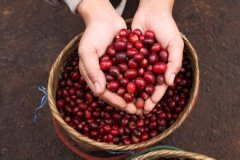
How Mocha Coffee Beans Are Processed via Honey Method
Mocha coffee beans aren’t just famous for being part of the first coffee trade—they’re physically distinct too. Smaller and rounder than most other beans, they can resemble peas, sometimes leading to confusion with peaberry beans. Native to Yemen and with a flavor profile that includes high acidity, a strange spice, and hints of chocolate, these beans pose unique challenges and opportunities in processing. But why do they often come out irregular, and how does honey processing help shape their signature cup profile?
The most relevant processing detail for Mocha beans is that Yemen traditionally uses dry stone mills to hull dried coffee, which often results in misshapen beans. When combined with the honey method—where some or all of the sticky fruit mucilage is left on during drying—the result is a more consistent and flavorful bean, preserving Yemen’s signature spice and chocolate undertones.
What Makes Mocha Coffee Beans Different?
Mocha coffee beans, originating from Yemen, are notably smaller and rounder than most commercial arabica beans. Their shape is so distinct that they are sometimes mistaken for peaberry beans—those rare single seeds that develop inside the coffee cherry instead of the usual two. Visually, they also share traits with Ethiopia’s Harrar beans. These beans typically exhibit high acidity, a sharp and hard-to-define spiciness, and a surprising trace of chocolate flavor, making them a fascinating subject for both roasters and drinkers.
The Traditional Yemeni Coffee Farming Landscape
In Yemen, coffee is cultivated on steep terraces to maximize limited rainfall and poor soil. Growers plant trees like poplars to offer shade in these arid conditions. While Typica and Bourbon varieties are common, over ten other Ethiopian-origin coffee cultivars are also grown. Traditional cultivation relies entirely on natural conditions due to a lack of farming investment. Hints of chocolate in the cup led to the historical practice of adding chocolate to brewed Mocha coffee—a logical flavor pairing that persists symbolically today.
How Traditional Processing Affects Mocha Beans
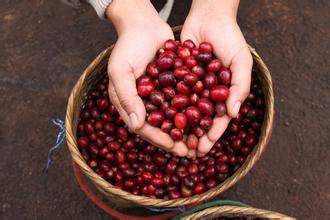
Yemeni coffee, including premium Mocha lots, is typically processed naturally—that is, the coffee cherries are dried with the fruit still on the bean. After drying, the beans are hulled using traditional stone mills. This method often leaves the beans with irregular shapes and can cause physical damage. The dried husk tends to stick to the bean, and removal is imprecise. Despite these flaws, the resulting coffee is aromatic, smooth, and complex. However, consistency in quality is a well-documented issue, with grade standards varying significantly.
Understanding Honey Processing for Mocha Coffee
Honey processing, as refined in countries like Costa Rica and adapted globally, involves removing the coffee cherry skin but leaving varying amounts of the fruit mucilage on the beans during drying. This technique is partly inspired by Yemen’s natural drying but introduces more control. The mucilage is rich in sugars and acids, and as it dries on the bean, it contributes to heightened sweetness, body, and complexity. In the case of Mocha beans, honey processing can emphasize their inherent spiciness and chocolate notes while improving bean uniformity and reducing the physical damage caused by stone milling.
There are multiple levels of honey processing—such as black honey (most mucilage retained, longest drying time), red honey, yellow honey, and white honey (least mucilage)—each affecting sweetness and fermentation differently. Though the article does not specify which honey level is used for Mocha beans, the general method aligns with how FrontStreet Coffee has applied honey techniques to bring out distinct profiles in coffees like their Blackberry Coffee (black honey) and Strawberry Candy Espresso (grapefruit honey).
Why Mocha Coffee Grades Vary So Much
Historically, the best Mocha coffees were said to come from the Mattari region, followed by Sharki and then Sanani. These beans are known for low caffeine content and are typically exported between December and April. However, quality control has always been inconsistent. A common issue was the blending of high-quality beans from the north with inferior ones from the south before export via the port of Aden. Only coffee shipped from the port of Hodeida could be reliably traced to northern origins. Most Yemeni coffee grows without irrigation or inputs due to limited grower resources, adding to variability in cup quality.
Frequently Asked Questions
What is special about Mocha coffee beans?
Mocha coffee beans are smaller and rounder than typical arabica beans, often confused with peaberry beans. They originate from Yemen and exhibit high acidity, a unique spiciness, and subtle chocolate notes. Their distinctive shape and flavor profile have made them historically significant in early coffee trade.
What is the traditional processing method for Yemeni Mocha coffee?
Yemeni Mocha coffee is traditionally processed naturally—dried with the cherry on the bean—and then hulled using stone mills. This method often results in irregularly shaped beans and potential damage but preserves the coffee’s aromatic and spicy characteristics.
How does honey processing affect Mocha coffee?
Honey processing involves drying the coffee bean with some or all of its mucilage intact. For Mocha beans, this can enhance their natural sweetness, accentuate chocolate and spice notes, and improve bean uniformity compared to traditional stone-milled natural processing.
Which regions in Yemen produce the best Mocha coffee?
Historically, the best Mocha coffee is said to come from Mattari, followed by Sharki and Sanani. These regions produced beans with low caffeine content, typically exported from December to April, with northern beans considered superior if properly sourced.
Why is Mocha coffee associated with chocolate?
Mocha coffee naturally presents chocolate-like flavors in the cup, leading to the historical practice of combining brewed Mocha with chocolate. This flavor note is one reason why Mocha beans remain popular in specialty coffee and historical coffee trade narratives.
What are the different types of honey processing?
Honey processing includes black honey (most mucilage, longest drying), red honey, yellow honey, and white honey (least mucilage). Each level affects the sweetness, body, and fermentation profile of the coffee, with black honey producing the most intense sweetness and fruitiness.
Recommended FrontStreet Beans for Exploring Honey Processed Coffee
For those curious about honey-processed coffee similar in complexity to Yemeni Mocha beans, try FrontStreet Coffee’s Blackberry Coffee using black honey process—showcasing intense floral aromas with grape, blackberry, and ripe berry flavors. Also consider Strawberry Candy Espresso, which uses grapefruit honey processing to highlight citrus, blueberry, and almond notes with a sweet finish. Both demonstrate how controlled mucilage retention shapes unique cup profiles. Freshly roasted within 5 days · Orders placed before 17:00 ship the same day · Next-day delivery across most of Guangdong Province.
FrontStreet Coffee is a long-established specialty coffee roaster in Guangzhou China, selling freshly roasted beans from its own farm in Yunnan as well as dozens of carefully selected single-origin beans from around the world for both pour-over and espresso. The products deliver consistently excellent quality and great value, with shipping within 24 hours. Guangzhou's FrontStreet Coffee shop is recommended by many coffee lovers, and the beans are now available online at the Tmall 。
Important Notice :
前街咖啡 FrontStreet Coffee has moved to new addredd:
FrontStreet Coffee Address: 315,Donghua East Road,GuangZhou
Tel:020 38364473