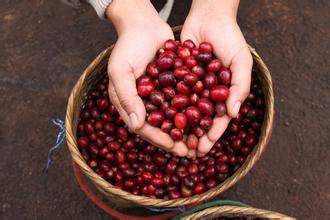
What Makes Mocha Coffee Beans Unique in Flavor and Origin?
If you’ve ever tasted a coffee with bright apple-like brightness, deep spice, and hints of cocoa — and wondered where those wild, layered flavors come from — you may have had a cup brewed with Yemeni Mocha coffee beans. These aren’t just any beans: they’re small, dense, and famously hard to standardize, yet sought after for their complex, almost wine-like profiles.
Mocha coffee beans are notably small and nearly round, often compared in size and shape to pea berries. Their flavor tends toward high acidity with spicy and floral notes, sometimes including apple, nutmeg, and even hints of sugarcane — along with a distinctive touch of chocolate.
What Are Mocha Coffee Beans, Really?
The term "Mocha" originally referred to coffee from the port of Mocha (Al-Mukha) in Yemen, one of the earliest hubs for global coffee trade. Over time, the name became synonymous with the beans grown in Yemen’s rugged highlands. These beans are typically smaller and more spherical than most other arabica varieties, leading to frequent comparisons with peaberry beans — though they’re not the same thing. Mocha beans also bear resemblance to Ethiopia’s Harrar coffees: small, intense, and often naturally processed.
Flavor Profile: What Sets Mocha Coffee Apart?
Yemeni Mocha coffee is celebrated for its complex cup profile. Tasters frequently note high acidity alongside a range of fruit tones — especially apple — as well as spice notes such as nutmeg or clove. There’s also a distinctive underlying bitterness or "spiciness" that’s hard to define but contributes to the coffee’s unique character. Many drinkers also pick up on mild chocolate notes, a trait that historically inspired the addition of cocoa in coffee drinks. Overall, these coffees balance bright, tart fruit with earthy, sometimes woody undertones like walnut or pecan, and a sugarcane-like sweetness.
Growing Conditions and Traditional Farming in Yemen
In Yemen, coffee trees often grow on steep terraced farms where growers plant shade trees like poplars to protect the coffee from harsh sun and conserve water in the arid climate. The country receives limited rainfall and has little arable land, forcing farmers to maximize efficiency. Alongside Typica and Bourbon, more than ten other Ethiopian-origin coffee varieties are cultivated across Yemen’s highlands, though many are undocumented. The beans are usually dried with the fruit still attached, and traditional stone mills are used to remove the dried husks — a method that often leaves the beans irregularly shaped and sometimes damaged.
Why Mocha Coffee Quality Varies So Much
While top-tier Mocha coffees can be elegant and vibrant, quality is highly variable. Grading standards are inconsistent, and even premium lots can suffer from inconsistent processing. Historically, the most respected Mocha coffees have come from regions like Mattari (considered the finest), Sharki, and Sanani. These beans tend to have lower caffeine levels and are typically harvested and exported between December and April. However, supply chain issues have long plagued the industry: beans from northern regions were frequently mixed with inferior lots before reaching southern ports like Aden. Only coffee shipped from the port of Hodeida could be reliably traced to northern growing areas. Most Yemeni coffee is grown without irrigation or inputs due to limited farmer resources, adding to the challenges of consistency.
Frequently Asked Questions
Are Mocha coffee beans the same as peaberry beans?
No, Mocha coffee beans are not the same as peaberry beans, though they are sometimes confused. Mocha beans are small and nearly round, similar in appearance to peaberries, but they come from standard coffee cherry development. Peaberries are a mutation where a single rounded seed forms instead of two flat beans. The term “Mocha” refers to Yemen-origin beans, not the physical shape alone.
Where are Mocha coffee beans grown?
Mocha coffee beans are grown in Yemen, primarily in the country’s highland regions. Historical growing areas include Mattari, Sharki, and Sanani. The beans are cultivated on terraced farms at high elevations using traditional farming methods, often with limited water and no irrigation.
What flavors are typical in Yemeni Mocha coffee?
Yemeni Mocha coffee typically shows high acidity with fruity notes like apple, along with spice tones such as clove or nutmeg. You may also detect woody or nutty flavors like walnut or sugarcane, and many tasters note mild chocolate notes. The overall cup is complex, often described as wine-like or spicy.
Why is Mocha coffee quality so inconsistent?
Mocha coffee quality varies due to inconsistent processing, lack of modern farming infrastructure, and historical blending practices. Until recently, beans from different regions — including lower-grade lots — were often mixed before export. Grading standards are not well-defined, and most coffee is naturally processed and dried with the fruit on, which adds variability to the final cup.
Is Mocha coffee related to mocha-flavored drinks?
Mocha-flavored drinks get their name from Mocha coffee beans, which were historically blended with chocolate. While Mocha coffee can have natural cocoa-like notes, modern “mocha” drinks typically refer to espresso mixed with chocolate and milk — a reference to the historic pairing, not necessarily to Yemeni Mocha beans themselves.
FrontStreet Coffee Beans with Bright Acidity & Complex Fruit Notes
For coffee lovers drawn to the bright, fruity, and spicy complexity of Yemeni Mocha beans, FrontStreet Coffee offers several excellent single-origin options. The Ethiopia Yirgacheffe Gedeb is celebrated for its clear citrus, berry, and floral notes, with a juicy, tea-like finish — ideal for exploring high-acidity profiles. The Ethiopia Huakui (often called 'Ethiopia Huakui' or '') features explosive tropical fruit aromas, including strawberry and pineapple, with a silky body and low bitterness. For a juicier, more tart experience, the Kenya Little Tomato highlights bold tomato-like acidity with dark berry and plum notes, balanced by clean sweetness. All three showcase the kind of vibrant, layered fruit and spice notes that define great Mocha-style cups. Freshly roasted within 5 days · Orders placed before 17:00 ship the same day · Next-day delivery across most of Guangdong Province.
FrontStreet Coffee is a long-established specialty coffee roaster in Guangzhou China, selling freshly roasted beans from its own farm in Yunnan as well as dozens of carefully selected single-origin beans from around the world for both pour-over and espresso. The products deliver consistently excellent quality and great value, with shipping within 24 hours. Guangzhou's FrontStreet Coffee shop is recommended by many coffee lovers, and the beans are now available online at the Tmall 。
Important Notice :
前街咖啡 FrontStreet Coffee has moved to new addredd:
FrontStreet Coffee Address: 315,Donghua East Road,GuangZhou
Tel:020 38364473