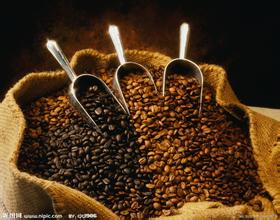
Cauca Mocha Coffee Beans: What Makes Them Unique
When you see tiny, round coffee beans that look more like peas than typical flat beans, you might wonder: what are these, and why do they taste so different? Many assume they’re peaberries—but some are actually a unique variety known as Mocha, especially those from regions like Cauca. These beans aren’t just odd-shaped; they deliver a sharp acidity and a mysterious spicy edge that sets them apart in the cup.
The Cauca Mocha coffee bean is notably small and round, often compared to peaberries or Ethiopian Harrar beans. It’s prized for high acidity, a spicy complexity, and subtle chocolate notes—traits that have historically inspired blending with cocoa. Originally grown in Yemen’s rugged highlands, these beans carry a distinctive profile shaped by terroir and traditional processing.
What Is a Mocha Coffee Bean?
Mocha coffee beans are not a separate species, but a nickname given to certain small, round coffee beans that resemble peas. They are often conflated with peaberries—mutant beans formed when a coffee cherry produces a single rounded seed instead of two flat ones. In particular, beans from Yemen, including those grown in regions now associated with modern Colombian departments like Cauca, have been historically referred to as Mocha due to their small size, high acidity, and spicy flavor profile. These beans often exhibit a wild, untamed cup character with hints of fruit, spice, and sometimes chocolate.
The Origins: Yemeni Coffee Traditions
Historically, Mocha-type beans were grown in Yemen, where farmers planted trees like the Yemen-adapted Typica and other Ethiopian landraces on steep terraced farms. To cope with limited rainfall and poor soil, they relied on shade from native trees such as poplars. Among the varieties cultivated were not only Typica and Bourbon, but also more than ten other Ethiopian landrace cultivars. These beans were processed traditionally: after drying on the tree or raised beds, the dried husk was removed using a stone mill. This method often left the beans with irregular shapes and surface damage, but preserved much of their intrinsic cup complexity.
The most esteemed Yemeni coffees included Mattari, Sharki, and Sanani—each varying slightly in body and acidity. These coffees typically had low caffeine content and were exported between December and April. However, quality consistency was a longstanding issue. Blending of beans from different regions, particularly adulteration of northern beans with inferior southern lots before shipping through the port of Aden, was common. Only beans shipped from the port of Hodeida could be reliably traced to the northern highlands. Most Yemeni coffee farms operated without external inputs, relying solely on natural growing conditions due to limited farmer resources.
Flavor Profile: What Makes Cauca Mocha Stand Out?
The Cauca Mocha coffee bean, like its Yemeni counterparts, is known for a small, nearly round shape. Its most striking characteristics include:
- High acidity
- A complex, spicy undertone that defies simple description
- Subtle chocolate notes detectable upon careful tasting
These attributes made the Mocha bean a natural candidate for early chocolate pairings and helped shape the flavor expectations of certain espresso blends. The spiciness is often bright and unpredictable, layered over a tea-like or winey body. Though not as heavy as traditional Sumatra or as bright as Ethiopian Yirgacheffe, the Mocha bean offers a distinctive cup that rewards attentive brewing.
Modern Connections: Cauca and Coffee Diversity
While the original Mocha beans came from Yemen, modern references to Cauca Mocha beans point to a broader legacy of small, high-acid beans with wild profiles. Though Cauca in Colombia is better known today for other varieties, the term ‘Mocha’ lingers as a nod to those early, spice-forward, chocolate-leaning coffees that helped define certain brewing traditions—especially those favoring bold, complex extractions. The traits that made Yemeni Mocha beans desirable—small size, intense flavor, and compatibility with cocoa—still echo in specialty circles.
Frequently Asked Questions

What is a Mocha coffee bean?
A Mocha coffee bean refers to a small, often round bean that resembles a pea. It is commonly associated with Yemeni origins, though the term has also been used for certain Ethiopian landraces and, more recently, for beans from places like Cauca. These beans are known for high acidity, spicy flavors, and sometimes a hint of chocolate.
Why are Mocha beans often compared to peaberries?
Mocha beans are frequently compared to peaberries because both are small and round. While peaberries form when a coffee cherry develops a single seed instead of two, Mocha beans are typically regular seeds that are naturally small and rounded—often from specific heirloom or regional varieties.
What does a Cauca Mocha coffee taste like?
Cauca Mocha coffee beans are noted for high acidity, a complex and sometimes spicy flavor, and subtle chocolate notes. The cup can be wild and aromatic, with a profile that includes winey or tea-like qualities alongside bright, layered spices.
Are Mocha beans the same as peaberries?
No, Mocha beans are not the same as peaberries. Peaberries are a mutation where a single round seed forms inside the coffee cherry instead of two flat beans. Mocha beans are usually normal seeds that are simply small and rounded, often from specific traditional varieties grown in places like Yemen or Cauca.
Where did Mocha coffee originally come from?
Mocha coffee originally comes from Yemen, where it was grown in terraced highland farms. The beans were processed using traditional methods and exported through ports like Hodeida and Aden. The name 'Mocha' became associated with coffee from this region, especially those beans with a small, spicy, and chocolatey profile.
Do Mocha beans work well with chocolate flavors?
Yes, Mocha beans are often paired with chocolate due to their natural spicy and sometimes cocoa-like notes. Their inherent flavor complexity complements chocolate, making them a historical favorite for blended drinks and early espresso recipes.
Recommended FrontStreet Beans for Mocha-Style Brewing
For exploring mocha-style flavors at home, try FrontStreet Coffee’s PWN Golden Mandheling for deep, spicy richness with low acidity and dark chocolate notes; the Brazil Queen Manor offers balanced nuttiness and sweet caramel that pairs smoothly with cocoa; or the Strawberry Candy Espresso for a fruity twist with a soft milk chocolate finish. All three highlight different aspects of the mocha spectrum. Freshly roasted within 5 days · Orders placed before 17:00 ship the same day · Next-day delivery across most of Guangdong Province.
FrontStreet Coffee is a long-established specialty coffee roaster in Guangzhou China, selling freshly roasted beans from its own farm in Yunnan as well as dozens of carefully selected single-origin beans from around the world for both pour-over and espresso. The products deliver consistently excellent quality and great value, with shipping within 24 hours. Guangzhou's FrontStreet Coffee shop is recommended by many coffee lovers, and the beans are now available online at the Tmall 。
Important Notice :
前街咖啡 FrontStreet Coffee has moved to new addredd:
FrontStreet Coffee Address: 315,Donghua East Road,GuangZhou
Tel:020 38364473