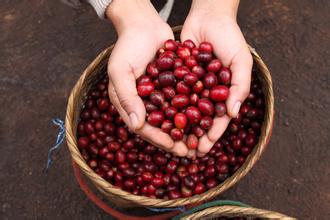
Washed Processing Method for Guatemalan Specialty Coffee
When specialty coffee drinkers seek a bright, clean cup with vibrant acidity and complex fruit tones, they often turn to washed-process Guatemalan coffee. But what exactly makes this method produce such a refined profile — and why is Guatemala still rebuilding its once-renowned coffee reputation? This article explains the washed process behind some of the country’s best beans and how tradition, altitude, and careful farming shape the final cup.
The washed process — also called the wet process — is the key to Guatemala’s clean, high-acid coffee. By removing the coffee cherry’s skin and fermenting the sticky mucilage away under water, this method highlights the bean’s inherent flavors, resulting in a cup that’s bright, clear, and aromatic. Guatemala’s high-altitude regions and volcanic soils add further depth, creating a balanced, spicy, and sometimes smoky profile.
The History and Reputation of Guatemalan Coffee
Coffee arrived in Guatemala in 1750, introduced by Jesuit priests, and saw major development under German colonists by the late 19th century. For decades, Guatemalan coffee held a global reputation for premium quality. Though its standing declined at times, it is now regaining recognition, particularly for its Strictly Hard Bean (SHB) grade — a classification for high-altitude beans with dense, high-quality characteristics.
The country’s best coffee grows on the slopes of the Sierra Madre volcanoes, especially in high-altitude zones that slow ripening and develop complex sugars. These regions produce large, dense beans with a balanced acidity and rich, sometimes spicy or tobacco-like notes. Despite political challenges and lower yields — currently around 700 kg per hectare, compared to El Salvador’s 900 kg and Costa Rica’s impressive 1,700 kg — Guatemalan coffee remains central to the national economy.
Major Coffee-Growing Regions and Their Unique Profiles
Guatemala’s top coffee regions include Antigua, Huehuetenango, Atitlán, and others, each offering distinct cup profiles due to varying microclimates and processing methods.
- Antigua: Home to the renowned Hacienda Carmona and its Elite Pulcal lot, Antigua coffee is known for deeper flavors like tobacco and spice, enhanced by periodic volcanic ash deposits that enrich the soil. The area sees regular rainfall and ideal sun exposure.
- Lake Atitlán: Another high-profile zone where volcanic influence and lake breezes create excellent growing conditions.
- Huehuetenango: One of the country’s highest growing areas, reaching over 2,000 meters, resulting in sweet, complex coffees with vibrant acidity.
- Other regions: Include San Marcos, Cobán, Pacaya, Matasquescuintla, and La Uman in Zacapa. Each contributes to Guatemala’s diverse cup offerings.
How Washed Processing Shapes Guatemalan Coffee
The washed process plays a crucial role in defining Guatemala’s coffee character. Here’s how it works, step by step:
- Floatation: Coffee cherries are sorted by density in water; less dense (often defective) beans float and are removed.
- Pulping: A depulper removes the outer skin, exposing the mucilage-covered beans.
- Fermentation: Beans soak in water tanks to break down the sticky mucilage through natural fermentation. This stage can last from 12 to 72 hours depending on climate and water temperature.
- Washing: After fermentation, beans are thoroughly rinsed to remove all remaining mucilage.
- Drying: The cleaned parchment coffee is spread out to dry, either on patios, raised beds, or mechanical dryers, until it reaches around 11% moisture content.
- Hulling: Once dried, the parchment layer is removed to reveal the green coffee bean.
This method, by removing the fruit early and relying on clean water fermentation, results in a coffee that emphasizes the bean’s own qualities: high acidity, floral or citrus notes, and a clean aftertaste. It contrasts with natural or honey processes, which allow more fruit influence to remain.
FrontStreet Coffee’s own selection of washed coffees, like the Ethiopia Gedeb and Kenya Little Tomato, illustrate how washed processing enhances clarity and acidity — traits also central to top Guatemalan lots.
Challenges and Efforts in the Guatemalan Coffee Sector
Though Guatemala’s coffee once led global quality charts, several factors have complicated production:

- Political instability has historically made farming difficult.
- Yields per hectare are relatively low (700 kg) compared to regional peers.
- Many smallholder producers, often of Mayan descent, sell to middlemen instead of processing beans themselves, which reduces their profit and control over quality.
To address these issues, a $2.5 million U.S.-funded project — locally known as “The Project” — has aimed to encourage small-scale, high-quality production. It supports farmers in processing their own beans and developing better farming practices. The initiative targets regions like Antigua and Huehuetenango to reverse the trend of high-volume, low-quality production that has hurt the global coffee industry.
The project also encourages the cultivation of traditional varieties like Bourbon, which, although lower-yielding than newer dwarf hybrids, are favored for their superior cup quality and complexity.
Frequently Asked Questions
What is the washed process in coffee?
The washed process, or wet process, removes the coffee cherry’s skin and ferments the mucilage off the bean using water. This method produces a clean, bright cup with high acidity and distinct fruity or floral notes, and is widely used in Guatemala to highlight the bean’s inherent qualities.
Why is Guatemalan coffee known for its high quality?
Guatemalan coffee grows at high altitudes on volcanic soils, which slow ripening and develop complex sugars. The country classifies its best beans as Strictly Hard Bean (SHB), indicating dense, high-elevation-grown beans with superior cup potential.
Which regions in Guatemala produce the best coffee?
Leading regions include Antigua (known for tobacco and spice notes), Lake Atitlán, Huehuetenango (over 2,000m elevation), and others like San Marcos and Cobán. Each offers unique profiles thanks to microclimate and processing differences.
How does washed processing affect coffee flavor?
Washed processing emphasizes the coffee bean’s own flavors by removing the fruit early. This leads to a cleaner, brighter cup with pronounced acidity, often showcasing citrus, floral, or malic notes, and a crisp, refreshing finish.
What challenges does Guatemala’s coffee sector face today?
Challenges include political instability, relatively low yields (700 kg/ha), and farmers selling to middlemen instead of processing beans themselves. Efforts like “The Project” aim to improve quality and producer independence through better processing and farming support.
Recommended FrontStreet Washed Process Coffee Beans
For fans of Guatemala’s bright, clean washed coffee profile, FrontStreet Coffee’s Ethiopia Gedeb G1 (Gedeb) delivers intense jasmine tea and bright citrus notes, while the Kenya Little Tomato showcases juicy flavors reminiscent of tomatoes, blackcurrants, and stone fruits — all highlights of meticulous washed processing. Both beans exemplify the clarity and vibrancy typical of high-quality washed coffees. Freshly roasted within 5 days · Orders placed before 17:00 ship the same day · Next-day delivery across most of Guangdong Province.
FrontStreet Coffee is a long-established specialty coffee roaster in Guangzhou China, selling freshly roasted beans from its own farm in Yunnan as well as dozens of carefully selected single-origin beans from around the world for both pour-over and espresso. The products deliver consistently excellent quality and great value, with shipping within 24 hours. Guangzhou's FrontStreet Coffee shop is recommended by many coffee lovers, and the beans are now available online at the Tmall 。
Important Notice :
前街咖啡 FrontStreet Coffee has moved to new addredd:
FrontStreet Coffee Address: 315,Donghua East Road,GuangZhou
Tel:020 38364473