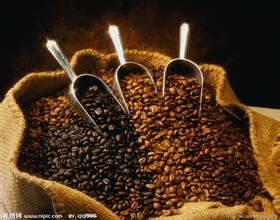
Guatemalan Coffee Varieties: Bourbon and Caturra Explained
If you’ve ever sipped a rich, spicy, yet balanced cup of coffee and wondered where it came from, chances are it might have been Guatemalan. For decades, Guatemalan coffee earned a global reputation for exceptional quality—but that status faltered. Now, it’s making a comeback, thanks to its unique growing conditions, high-altitude farms, and hardy bean varieties like Bourbon and Caturra.
Guatemalan coffee varieties like Bourbon and Caturra thrive at high elevations, typically producing medium-bodied, well-balanced cups with bright acidity, pronounced sweetness, and notes of spice, nuts, and sometimes tobacco. These beans are often larger than average, adding to their premium appeal.
The Origins and History of Guatemalan Coffee
Coffee was introduced to Guatemala in 1750 by Jesuit priests. By the late 19th century, German settlers had developed the country’s coffee industry. Today, the majority of production occurs in the southern regions, particularly along the slopes of the Sierra Madre volcanoes. The volcanic soil and high altitudes create near-perfect conditions for cultivating specialty-grade beans with complex flavor profiles.
Why Guatemalan Coffee Was Once World-Class—and What Changed
Guatemalan coffee once enjoyed a stellar global reputation, praised for its rich, spice-laced complexity. However, its standing declined due to political instability and economic pressures on farmers. Despite this, the country still produces coffee of outstanding quality. Current yields average around 700 kg per hectare—lower than El Salvador’s 900 kg or Costa Rica’s impressive 1,700 kg per hectare.
The national coffee trade is largely controlled by private companies, but the state-run Asociacion Nacional de Cafe oversees regulation and quality initiatives. Much of the finest Guatemalan coffee is exported to Japan, where it can retail for $3–$4 per cup.
Key Coffee-Growing Regions and Their Unique Profiles
Not all Guatemalan coffee is the same. Key regions include:
- Antigua: Famous for coffees like those from Hacienda Carmona, particularly the lot called El Pulcal. This coffee is richer, more intense, and tobacco-forward compared to other Guatemalan origins. The region benefits from periodic volcanic ash deposits that replenish soil nutrients, along with consistent sun and rain.
- Lake Atitlan and Huehuetenango (also spelled Huehuentenango): Both regions are noted for producing some of the country’s best specialty beans, thanks to high altitudes, cool temperatures, and volcanic or mountainous terrain.
- Other regions: San Marcos, Oriente & Cobán, Palcya, Mataquescuintla, and La Uman in Zacapa also contribute to the diversity of Guatemalan coffee profiles.
These microclimates, combined with careful cultivation of classic arabica varieties, allow Guatemalan producers to craft distinct flavor profiles sought after by specialty roasters.
The Role of Coffee Varieties: Bourbon and Caturra
Among the many arabica varieties grown, Bourbon and Caturra play pivotal roles. Bourbon trees are taller than newer dwarf hybrids and yield fewer cherries per plant—but the beans they produce are widely considered superior in cup quality, especially among coffee connoisseurs.
Caturra, another traditional variety, is valued for its balance and adaptability. While newer, higher-yielding varieties exist, both Bourbon and Caturra remain popular among quality-focused farmers because of their superior sensory profiles.
The “Project,” funded with $2.5 million from U.S. sources, aims to support smallholder Maya farmers in shifting away from quantity-driven practices. It encourages the cultivation of boutique lots, on-farm processing, and a move toward quality over volume—key steps in breaking the cycle of low-price, low-quality production.
Challenges Facing Guatemalan Coffee Farmers
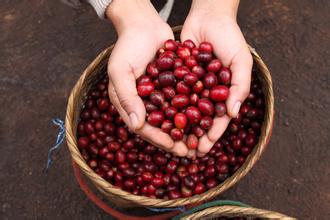
Despite its potential, Guatemalan coffee production faces serious hurdles:
- Low yields compared to regional competitors
- Political and economic instability affecting small producers
- Dependence on intermediaries who often pay low prices for unprocessed cherries
- The need for greater investment in local processing infrastructure
The Project and similar initiatives aim to help farmers process coffee on-site, adding value and improving cup quality. Greater control over processing can lead to premiums and better market access for smallholders.
Frequently Asked Questions
What are the main coffee varieties grown in Guatemala?
The primary coffee varieties include Bourbon and Caturra, both classic arabica types. Bourbon is known for producing fewer but higher-quality beans, while Caturra is valued for its balance and smaller tree size. Other varieties may also be grown, but these two remain central to Guatemala’s specialty coffee identity.
Which Guatemalan region produces the highest-quality coffee?
Antigua is widely regarded as producing some of the best Guatemalan coffee, particularly from estates like Hacienda Carmona. The region’s volcanic soil, elevation, and climate create ideal conditions for complex, bold, and spicy flavor profiles. Lake Atitlan and Huehuetenango are also noted for high-quality lots.
Why did Guatemalan coffee lose its global reputation?
Guatemalan coffee’s reputation declined due to political instability, economic challenges for farmers, and competition from higher-yield countries. Lower investment in quality processing and a focus on volume over specialty also contributed to its diminished global standing, though it is now rebounding.
What makes Bourbon and Caturra beans different?
Bourbon beans are typically larger and produce a more complex, sweeter cup with higher acidity, but the trees are less productive. Caturra is more compact, easier to manage, and offers good balance, though generally not as nuanced as Bourbon. Both are traditional arabica varieties favored for quality-focused production.
How is Guatemalan coffee processed and exported?
Most coffee is still sold as cherries to intermediaries, but there is a growing push for on-farm processing. Export is largely handled by private firms, with the best beans going to markets like Japan. The state coffee board oversees quality and regulation across the industry.
Recommended FrontStreet Beans for Exploring Bourbon-Type Profiles
For fans of Guatemalan Bourbon-style coffee, try FrontStreet's BrazilianBourbon (Red Bourbon from Xilado). Grown at high altitude, it features a smooth, rounded body with mild acidity, notes of nuts and caramel, and a clean finish—ideal for exploring the backbone flavors behind Guatemalan Bourbons. Also consider the EthiopianYirgacheffeGedeb (Gedeb Yirgacheffe), which shares bright acidity and floral-citrus complexity often found in high-grown Guatemalan lots. Freshly roasted within 5 days · Orders placed before 17:00 ship the same day · Next-day delivery across most of Guangdong Province.
FrontStreet Coffee is a long-established specialty coffee roaster in Guangzhou China, selling freshly roasted beans from its own farm in Yunnan as well as dozens of carefully selected single-origin beans from around the world for both pour-over and espresso. The products deliver consistently excellent quality and great value, with shipping within 24 hours. Guangzhou's FrontStreet Coffee shop is recommended by many coffee lovers, and the beans are now available online at the Tmall 。
Important Notice :
前街咖啡 FrontStreet Coffee has moved to new addredd:
FrontStreet Coffee Address: 315,Donghua East Road,GuangZhou
Tel:020 38364473