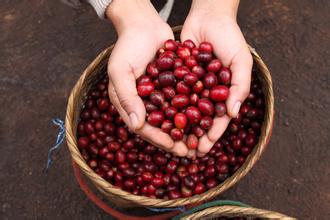
Guatemala La Tata Estate: Hard Bean Specialty Coffee
When coffee drinkers seek a bold yet balanced cup, they often turn to Guatemalan beans — but years of fluctuating quality have clouded the country’s once stellar reputation. The good news? Regions like La Tata Estate are reclaiming the spotlight by producing exceptionally uniform, dense hard beans with remarkable clarity and depth. So what makes these beans stand out in a global market crowded with inconsistent offerings?
Guatemala’s La Tata Estate grows strictly hard beans (SHB) that develop deep, well-rounded profiles thanks to volcanic soil, high altitudes, and careful cultivation. These beans yield coffee that is full-bodied, balanced, and richly flavorful — a hallmark of premium Guatemalan production.
The Origins and History of Guatemalan Coffee
Coffee was introduced to Guatemala in 1750 by Jesuit priests, but it wasn’t until the late 19th century that German colonists helped establish the country’s coffee industry. Today, most production is concentrated in the southern regions, particularly along the slopes of the Sierra Madre volcanoes. These high-altitude microclimates produce some of the world’s most distinctive coffees, known for their vibrant acidity and layered spice notes. Among them, Guatemala’s strictly hard beans — notably larger-than-average — have earned special recognition.
Challenges Facing Guatemala’s Coffee Industry
Despite its storied past, Guatemala’s coffee output has declined to just 700 kilograms per hectare, significantly less than El Salvador’s 900 kg/ha and Costa Rica’s impressive 1,700 kg/ha. Political instability has compounded difficulties for local growers, even though coffee remains central to the national economy. Export control lies largely in private hands, although the National Coffee Association (Asociacion Nacional de Cafe) oversees other key segments. Meanwhile, premium lots often find their way to Japan, where they’re sold at premium prices between $3 and $4 per cup.
Focus on Quality: The Role of Small Producers
Many of Guatemala’s smallholder farmers are descendants of the Maya, and they’re now benefiting from a $2.5 million U.S.-funded initiative known locally as “The Project.” This effort, aimed at countering the industry-wide issue of high-volume, low-quality production, supports the development of small-scale, high-quality farms. One key goal is to encourage farmers to process their own beans rather than selling exclusively to intermediaries — a shift that can enhance both value and cup quality.
Notable Growing Regions
Two of Guatemala’s most renowned coffee regions are Lake Atitlan and Huehuetenango. Another is Antigua, home to the famed Hacienda Carmona estate, which produces the award-winning El Pulcal lot. This coffee stands out for its unusually deep flavor, greater richness, and pronounced tobacco notes compared to other Guatemalan origins. The region benefits from periodic volcanic ash deposits — roughly every 30 years — that replenish soil nitrogen levels. Combined with consistent rainfall and abundant sunshine, these conditions create ideal terroir for high-quality coffee cultivation.
Additional notable regions include San Marcos, Oriente & Coban, Palcya, Mataquescuintla, and La Uman near Zacapa. Each contributes unique profiles shaped by local elevation, processing methods, and varietals — principally traditional Bourbon, known for its superior cup quality despite being taller and lower-yielding than more modern dwarf hybrids.
The Rise of Specialty Coffee Recognition
The establishment of Guatemala’s Specialty Coffee Association signals a national pivot toward higher standards. With focused efforts on traceability, processing quality, and varietal distinction, the country is positioning itself to regain its status among the world’s elite coffee origins. Farms like La Tata Estate exemplify this shift, delivering hard beans that embody the balance, body, and complexity sought by specialty roasters and drinkers alike.

Frequently Asked Questions
What makes La Tata Estate coffee beans special?
La Tata Estate grows strictly hard beans (SHB) at high altitudes, resulting in dense, large coffee beans with a well-balanced, full-bodied profile. These beans are known for their rich flavor, even extraction characteristics, and classic Guatemalan taste notes.
Why has Guatemala’s coffee production declined?
Guatemala’s coffee output has dropped to 700 kg per hectare due to factors including political instability, economic challenges for farmers, and lower yields compared to competitors like Costa Rica (1,700 kg/ha) and El Salvador (900 kg/ha).
Where are the best coffee-growing regions in Guatemala?
Top Guatemalan coffee regions include Antigua (known for El Pulcal), Lake Atitlan, and Huehuetenango. Each offers unique growing conditions that contribute to distinctive flavor profiles, often influenced by volcanic soil and high elevations.
What role do small-scale Maya farmers play today?
Descendants of the Maya make up a significant portion of Guatemala’s smallholder coffee producers. They are now supported by a $2.5 million U.S. project aimed at improving quality, encouraging on-farm processing, and promoting high-value specialty production over bulk exports.
How is Guatemala working to improve coffee quality?
Efforts include the establishment of a Specialty Coffee Association, initiatives to support small farms, encouragement of direct processing, and targeting premium export markets — all aiming to reverse the trend of high-volume, low-quality production.
Recommended FrontStreet Beans for Pour-Over
For fans of Guatemalan coffee profiles, try FrontStreet’s BrazilBourbon: a high-elevation red Bourbon offering round body, mild acidity, and sweet notes of caramel and nuts. For brighter, fruitier cup, FrontStreet’s ColombiaSidra features complex stone fruit and tropical flavors from honeysweet processed Sidra beans. Finally, FrontStreet’s EthiopiaGedeb showcases citrus, floral, and tea-like brightness typical of high-grown Yirgacheffe. All three are excellent single-origin choices for filter brewing. Freshly roasted within 5 days · Orders placed before 17:00 ship the same day · Next-day delivery across most of Guangdong Province.
FrontStreet Coffee is a long-established specialty coffee roaster in Guangzhou China, selling freshly roasted beans from its own farm in Yunnan as well as dozens of carefully selected single-origin beans from around the world for both pour-over and espresso. The products deliver consistently excellent quality and great value, with shipping within 24 hours. Guangzhou's FrontStreet Coffee shop is recommended by many coffee lovers, and the beans are now available online at the Tmall 。
Important Notice :
前街咖啡 FrontStreet Coffee has moved to new addredd:
FrontStreet Coffee Address: 315,Donghua East Road,GuangZhou
Tel:020 38364473