Guatemala’s Fraijanes Region: Hard Bean Specialty Coffee
If you've tasted a cup of Guatemalan coffee that lacked brightness or complexity, you might wonder: wasn't this country once famous for some of the world’s best beans? Once highly regarded, Guatemalan coffee saw its reputation decline—but today, regions like Fraijanes near Guatemala City are helping restore its standing with dense, well-balanced hard beans that produce rich, clean brews.
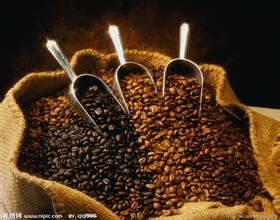
Fraijanes, located near Guatemala City, produces hard bean (SHB) coffees known for their full bodies, balanced acidity, and rich, pure flavours. These beans typically come from high-altitude volcanic slopes and are prized for their smooth yet vibrant profiles.
The Origins and Rise of Guatemalan Coffee
Coffee was introduced to Guatemala in 1750 by Jesuit priests, but the industry truly began expanding in the late 19th century under German colonial influence. Today, most production occurs in the southern part of the country, particularly on the slopes of the Sierra Madre volcanoes. These high-altitude regions create ideal growing conditions, resulting in vibrant, complex coffees that often feature spicy, layered flavour notes.
Fraijanes: Hard Beans with Big Potential
Fraijanes is part of the broader volcanic highland zone near Guatemala City. The region is known for producing Strictly Hard Bean (SHB) coffees—beans grown at elevations above 1,350 metres, which develop slower and denser due to cooler temperatures. These SHB beans are celebrated for their full, round shape, balanced acidity, and rich flavour profile. Another hallmark of Guatemalan coffees, including those from Fraijanes, is the occasional presence of larger-than-average bean sizes, adding to their visual and processing distinction.
The Challenges Facing Guatemala’s Coffee Industry
Despite its historical prestige, Guatemala’s coffee output has faced setbacks. The country now produces only around 700 kilograms of coffee per hectare—significantly less than El Salvador’s 900 kg/ha and Costa Rica’s impressive 1,700 kg/ha. Political instability has also made conditions difficult for many coffee growers. Ownership of export trade largely lies with private companies, while the National Coffee Association (Asociacion Nacional de Cafe) manages other aspects of the industry. Still, some of the finest Guatemalan beans are exported to Japan, where they can sell for $3–$4 per cup.
A large portion of small-scale producers are descendants of the Maya people. Many benefit from a U.S.-funded initiative called “The Project,” which has invested $2.5 million to promote small-scale, high-quality coffee farming. This project aims to break the cycle of high-volume, low-quality production that has plagued the global coffee sector. For example, traditional Bourbon varieties—though taller and lower-yielding than newer dwarf hybrids—often produce superior beans preferred by specialty roasters.
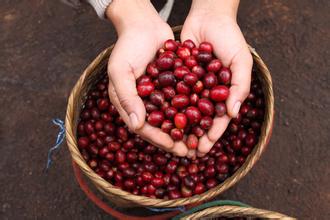
The initiative also encourages local processing, as most coffee cherries are currently sold to intermediaries. On-site processing can improve both quality and value for farmers. Key coffee-growing regions in Guatemala include Lake Atitlan, Huehuetenango, Antigua, San Marcos, Oriente & Cobán, Pacaya, Mataquescuintla, and La Uman in Zacapa.
Notable Guatemalan Coffee Regions Beyond Fraijanes
Antigua, one of Guatemala’s most famous coffee regions, benefits from volcanic soils enriched periodically by eruptions. The region sees about 30 years between major volcanic events, each of which replenishes soil nitrogen. Coupled with consistent rainfall and sunshine, these conditions yield complex, bold coffees. The Hacienda Carmona estate in Antigua produces El Pulcal, a coffee noted for its deeper body, richer taste, and stronger tobacco notes compared to other Guatemalan coffees.
Lake Atitlan and Huehuetenango are also renowned for high-quality production. Other notable regions include San Marcos, Oriente & Cobán, Pacaya, Mataquescuintla, and La Uman in Zacapa. The establishment of the Specialty Coffee Association in Guatemala signals growing governmental recognition of the value and potential of high-quality coffee production.
Frequently Asked Questions
What makes Fraijanes coffee different from other Guatemalan regions?
Fraijanes produces Strictly Hard Bean (SHB) coffee grown at high altitudes, resulting in dense beans with a full body, balanced acidity, and smooth, rich flavours. While other regions like Antigua or Huehuetenango have their own unique volcanic influences, Fraijanes is particularly valued for its consistency and classic Guatemalan profile.
Why did Guatemala’s coffee industry decline in global reputation?
Guatemala’s coffee once had a strong reputation for quality, but political instability, reduced yields compared to countries like Costa Rica and El Salvador, and challenges for smallholder farmers contributed to a decline. Additionally, much of the best coffee was exported through private channels, limiting direct traceability and brand building for the country as a whole.
What are Strictly Hard Bean (SHB) coffees?
Strictly Hard Bean (SHB) refers to coffee grown at elevations above 1,350 metres. These beans grow more slowly in cooler temperatures, leading to greater density, richer flavours, and more complex acidity. Fraijanes is one of the regions in Guatemala known for producing SHB coffee.
How is the “The Project” helping Guatemalan coffee farmers?
The U.S.-funded “The Project” has invested $2.5 million to support small-scale, high-quality coffee production. It encourages farmers to process coffee locally rather than selling to intermediaries, promotes traditional Bourbon variety cultivation, and helps overcome the industry’s historical issue of high quantity but low quality.
Which Guatemalan coffee regions are most famous besides Fraijanes?
Besides Fraijanes, notable regions include Antigua (famous for El Pulcal), Lake Atitlan, Huehuetenango, San Marcos, Oriente & Cobán, Pacaya, Mataquescuintla, and La Uman in Zacapa. Each offers unique flavour profiles influenced by volcanic soil, altitude, and microclimates.
Recommended FrontStreet Beans for Exploring Guatemalan Profiles
For drinkers curious about Guatemalan coffee profiles, try FrontStreet’s Brazil Queen Manor (Yellow Bourbon), known for its creamy texture and sweet peanut notes; or their Classic Blend, which balances chocolate and mild acidity—great for exploring the kinds of smooth, structured flavours typical of Guatemalan SHB beans. Freshly roasted within 5 days · Orders placed before 17:00 ship the same day · Next-day delivery across most of Guangdong Province.
FrontStreet Coffee is a long-established specialty coffee roaster in Guangzhou China, selling freshly roasted beans from its own farm in Yunnan as well as dozens of carefully selected single-origin beans from around the world for both pour-over and espresso. The products deliver consistently excellent quality and great value, with shipping within 24 hours. Guangzhou's FrontStreet Coffee shop is recommended by many coffee lovers, and the beans are now available online at the Tmall 。
Important Notice :
前街咖啡 FrontStreet Coffee has moved to new addredd:
FrontStreet Coffee Address: 315,Donghua East Road,GuangZhou
Tel:020 38364473