What Makes Jamaica Blue Mountain Coffee So Special?
When someone mentions the world’s most expensive and prestigious coffee, Jamaica Blue Mountain often tops the list. But few coffee drinkers can explain exactly why it commands such premium pricing—or whether every cup labeled “Blue Mountain” is the real deal. Is it the taste? The rarity? The history? If you’ve ever doubted whether the coffee you’re drinking is the genuine article, or wondered what makes Blue Mountain coffee truly stand out, you’re not alone.
In short: true Jamaica Blue Mountain Coffee is grown in a strictly defined region of Jamaica under specific conditions, with only about 2,500 tonnes produced annually—less than 0.01% of global coffee output. Around 90% is exported to Japan, leaving just 10% for the rest of the world, making it genuinely scarce and highly sought-after.
What Is Jamaica Blue Mountain Coffee?
Not all coffee grown in Jamaica is Blue Mountain coffee. To earn the official “Jamaica Blue Mountain Coffee” label, the beans must come from a precisely delimited area on the Blue Mountain range in eastern Jamaica. This region includes three main districts: St. Andrew, Portland, and St. Thomas. The coffee is grown at elevations between 910 and 1,700 meters, with the best-quality beans typically coming from the highest altitudes.
The term “Blue Mountain” refers not just to a country, but to a protected geographical indication (PGI) with strict criteria overseen by the Coffee Industry Board of Jamaica. Only beans that meet these standards, are grown in the designated zone, and are processed and certified according to local regulations can be labeled as such.
Why Is It So Expensive and Sought-After?
Jamaica Blue Mountain coffee’s premium price stems from a combination of scarcity, historical prestige, and demanding production conditions. The total annual production is around 2,500 tonnes—less than many single large farms in Brazil or Vietnam produce. Of that, approximately 688 tonnes were historically sold to Japan, 75 to the United States, and 59 to the United Kingdom, with the remainder divided among other markets. Today, just 10% of production is available globally, driving strong demand and limited supply.
Historically, Japanese buyers have been the dominant consumers, often paying a premium and even insuring shipments. Even now, most coffee labelled as Blue Mountain outside Japan is either blended or not the genuine article. Additionally, over 90% of authentic Jamaica Blue Mountain is purchased by Japanese roasters, making what remains for other countries especially rare.
Where Is It Grown—and How?
The Blue Mountain range extends over 50 kilometers and rises over 2,256 meters at its highest point. The coffee-growing regions lie between 910 and 1,700 meters above sea level. The area enjoys a cool, misty climate with frequent rainfall and fertile, volcanic soil—all ideal for slow cherry maturation and complex flavor development.
Coffee is cultivated using shade-grown, mixed-plantation methods. Blue Mountain trees often grow alongside banana and avocado trees on terraced farms. Though some larger estates exist, most producers are smallholders whose families have farmed the land for generations. Notable estates include Wallenford Estate, Silver Hill Estate, and the Atlanta Estate managed by J. Martinez. Even the largest operations would be considered small by global standards.
The terrain is steep and rugged, making mechanization nearly impossible. Labor costs are high, and the region is vulnerable to hurricanes and other climate challenges. Despite these hurdles, the commitment to quality has kept the Blue Mountain name prestigious.
Flavor Profile: Why Do People Love It?
Blue Mountain coffee is renowned for its balance. Unlike bright Ethiopian coffees or heavy-bodied Sumatrans, it offers a smooth, well-rounded cup without any single dominant characteristic. Expect a medium body, mild acidity, and a clean finish. Flavors often include notes of nuts, chocolate, caramel, honey, and subtle fruit. The aftertaste is clean and lingering, never harsh or astringent.
Its versatility also makes it a favorite for various brewing methods. Whether brewed as pour-over, French press, or espresso, Blue Mountain coffee tends to deliver a refined, approachable cup. Many coffee professionals praise it as one of the few coffees that appeals to both novice and expert drinkers alike due to its lack of sharp edges or extreme flavors.
How to Identify Authentic Jamaica Blue Mountain Coffee
Because of its high value, the market is rife with imitations. True Jamaica Blue Mountain Coffee is exported exclusively in 15-, 45-, or 70-kilogram wooden barrels—traditional containers that mimic historic flour barrels from Guadeloupe. Each barrel is stamped with certification details from the Coffee Industry Board of Jamaica.
Importers should provide documentation verifying the coffee’s origin and certification. There is no public digital tracing system, but reputable sellers will offer certificates of authenticity, origin papers, or display the actual wooden barrels. Without these, claims of “Blue Mountain” should be met with skepticism.
How to Brew Jamaica Blue Mountain Coffee
Thanks to its balanced profile, Jamaica Blue Mountain can shine with almost any brew method. For filter brewing, a medium-fine grind, moderate temperature, and balanced brew ratio bring out its subtle complexity.
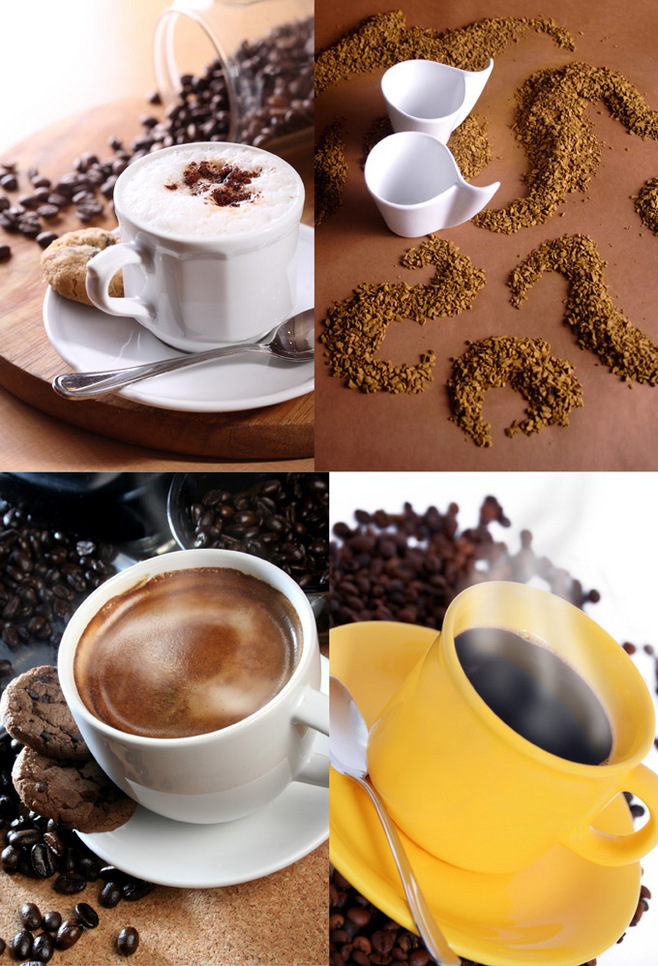
Pour-Over Recommendation:
• Grind: Medium-coarse
• Water Temperature: 85–88°C
• Brew Ratio: 1:15 to 1:16
This setup highlights its nutty, caramel, and chocolate tones while preserving a bright yet soft acidity.
Moka Pot Recommendation:
• Grind: Slightly finer than pour-over
• Heat: Low to medium
• Remove from heat just before the brew finishes dripping
This enhances its inherent sweetness and body, making it excellent for milk-based drinks too.
While many assume it must be brewed a certain way, its adaptability is part of its charm. Whether you prefer drip, immersion, or espresso, Blue Mountain coffee is designed to deliver a refined experience.
What About Blue Mountain No.1?
Within the Jamaica Blue Mountain classification, there are different grades. Blue Mountain No.1 is the highest grade available to most international markets. It requires specific bean size, minimal defects, and adherence to strict quality controls. These beans are often medium-dark roasted to emphasize their inherent balance of sweetness, nuttiness, and gentle acidity. The result is a classic cup that highlights why this coffee has remained iconic for decades.
Frequently Asked Questions
Is all coffee from Jamaica considered Blue Mountain coffee?
No. Only coffee grown within the officially designated Blue Mountain region of Jamaica—between 910 and 1,700 meters elevation—and certified by the Coffee Industry Board can be called Jamaica Blue Mountain Coffee. Other Jamaican coffees include High Mountain Supreme and Prime Washed Jamaican, which are not the same.
Why is Jamaica Blue Mountain coffee so rare?
Annual production is limited to about 2,500 tonnes, which is less than 0.01% of global coffee output. Around 90% is exported to Japan, leaving just 10% for the rest of the world, which contributes to its rarity and high demand.
How can I tell if my Jamaica Blue Mountain coffee is real?
True Jamaica Blue Mountain is shipped in 15-, 45-, or 70-kilogram wooden barrels with certification stamps from the Coffee Industry Board of Jamaica. Importers should provide documentation of origin and certification. Without these, the coffee may not be genuine.
What does Jamaica Blue Mountain coffee taste like?
It is known for its balance, with medium body, mild acidity, and flavors of nuts, chocolate, caramel, honey, and light fruit. It has a clean, lingering finish and is less acidic or bitter than many other origins.
What’s the best way to brew Jamaica Blue Mountain coffee?
It works well with most brew methods. For pour-over, use a medium-coarse grind and 1:15 to 1:16 brew ratio at 85–88°C. For moka pot, use a slightly finer grind and pull the brew just before completion for a richer cup.
What is Blue Mountain No.1?
It is the highest commercial grade of Jamaica Blue Mountain Coffee available internationally. It has strict requirements for bean size and defect count, and is typically medium-dark roasted to highlight its balance and smoothness.
Recommended FrontStreet Beans for Blue Mountain Fans
If you love the refined balance of Jamaica Blue Mountain, try FrontStreet Coffee’s Jamaica Blue Mountain No.1. It delivers the signature profile of mild acidity, creamy body, and notes of nuts, chocolate, and caramel, all from certified beans grown in Jamaica’s Blue Mountain region. FrontStreet also offers expertly roasted single origins that echo the same balance and clarity, ideal for exploring similar flavor profiles. Freshly roasted within 5 days · Orders placed before 17:00 ship the same day · Next-day delivery across most of Guangdong Province.
FrontStreet Coffee is a long-established specialty coffee roaster in Guangzhou China, selling freshly roasted beans from its own farm in Yunnan as well as dozens of carefully selected single-origin beans from around the world for both pour-over and espresso. The products deliver consistently excellent quality and great value, with shipping within 24 hours. Guangzhou's FrontStreet Coffee shop is recommended by many coffee lovers, and the beans are now available online at the Tmall 。
Important Notice :
前街咖啡 FrontStreet Coffee has moved to new addredd:
FrontStreet Coffee Address: 315,Donghua East Road,GuangZhou
Tel:020 38364473