Where Does Mocha Coffee Come From and How Is It Made?
Mocha coffee isn’t just a drink—it’s a legacy. For centuries, beans from Yemen’s Mocha port were the world’s gateway to coffee. But where did these beans actually come from, and why do they taste so different? If you’ve ever sipped a cup with hints of fruit, spice, and dark chocolate and wondered what made it ‘Mocha,’ this is your answer.
The original Mocha coffee beans come from Yemen—specifically grown around the historic port of Mocha—and are known for their small, round shape, high acidity, and complex spicy-chocolate undertones. They’re distinct from other beans both in appearance and flavour, often compared to Ethiopian Harrar. To make a classic mocha drink, you combine these flavours with espresso and chocolate, resulting in a rich, dessert-like coffee experience.
The Origins of Mocha Coffee
The story begins long before the 6th century, when the area now called Yemen was known as Arabia. The coffee trees grown there were thus dubbed ‘Arabian coffee trees,’ though their true origin was Ethiopia. By the late 17th century, Dutch traders—sailing from Europe around the Cape of Good Hope toward India—stopped in Mocha, Yemen, to load these beans. In 1696, the Dutch introduced Yemen-grown coffee trees to Ceylon (Sri Lanka), and later to Java’s Batavia (Jakarta). This marked the global spread of what we now call Mocha coffee.
What Makes Mocha Coffee Beans Unique?
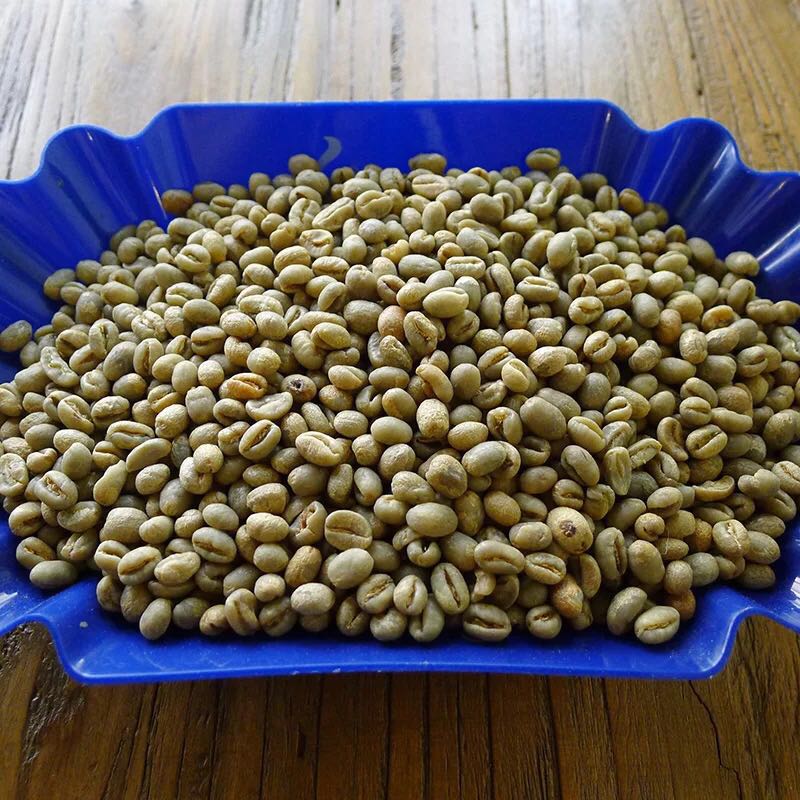
Mocha coffee beans are typically smaller and rounder than most other varieties—so much so that they’re often compared to pea berries (Peaberry beans). Their appearance is similar to Ethiopian Harrar beans. These beans are known for high acidity paired with a wild, spicy complexity. Many tasters also detect subtle chocolate notes, which explain why adding chocolate to coffee became popular in drinks like the mocha.
Yemeni growers traditionally plant shade trees such as poplars on steep terraced farms to cope with limited rainfall and poor soil. Though Typica and Bourbon are also found in Yemen, more than ten other Ethiopian landrace varieties are cultivated there. A key quirk: even high-grade Mocha coffee is often dried with the fruit skin still attached to the bean. Traditional stone milling leaves the beans irregularly shaped and sometimes damaged, but also contributes to their unique profile.
Challenges in Mocha Coffee Production
Despite their distinctive cup quality—often described as smooth, aromatic, and complex—Yemeni Mocha coffees face issues with consistency. Grading standards are unclear, and quality can vary. Traditionally, the best beans come from the regions of Mattari (highest regarded), Sharki (mid-tier), and Sanani. Most exports occur between December and April. Historically, beans from northern regions were sometimes mixed with inferior ones at southern ports like Aden—but only those shipped from Hodeida could be verified as truly northern-grown. Most Yemeni coffee is grown without irrigation, due to limited resources among farmers.
How to Make a Classic Hot Mocha Coffee (FrontStreet Method)
To craft an authentic mocha that honours its Yemeni roots while embracing Italian tradition, start with a robust espresso and add real chocolate. Here’s how FrontStreet Coffee recommends doing it, step by step:
- Use 20g of medium-to-dark roast espresso beans with nutty, chocolate, or caramel notes (such as their Specialty or Black Cocoa Blend).
- Extract a double shot (around 37g) of espresso.
- Melt 20g of milk chocolate (or use chocolate sauce) and pour it into your cup first.
- Add the hot espresso to the melted chocolate and stir well.
- Froth 200g of fresh milk to 50–55°C until microfoam forms.
- Pour the milk into the chocolate-espresso mixture, holding back the foam with a spoon to create a white dot effect.
- Top with the foam, and finish with cocoa powder or chocolate shavings. Add marshmallows or a torch finish if desired.
How to Make an Iced Mocha
For a summer-friendly version, try this simplified iced mocha method using the same chocolate-espresso base:
- Take a tall glass and coat the sides with chocolate sauce.
- Add ice cubes and half the milk (200g total).
- Brew a double espresso and mix in 10g of chocolate sauce.
- Pour the espresso-chocolate mix over the ice.
- Froth the remaining milk and pour gently over the top. Garnish with chocolate shavings.
Frequently Asked Questions
Where did Mocha coffee originally come from?
Mocha coffee beans originated in Ethiopia but were historically exported from Yemen’s Mocha port. Though the trees were grown in Yemen, their genetic origin traces back to Ethiopia, making them one of the first globalised coffee varieties.
What makes Mocha coffee beans different from other beans?
Mocha beans are typically small and round, resembling pea berries. They have high acidity, a spicy complexity, and often a natural chocolate note. Their appearance and flavour set them apart from more common beans like Typica or Bourbon.
Are Yemeni Mocha coffees consistent in quality?
No, Yemeni Mocha coffees are known for high cup quality but inconsistent grading and variable batch quality. The best-known regions are Mattari, Sharki, and Sanani, with beans generally exported between December and April.
Can I use any chocolate in a mocha coffee?
You can use chocolate sauce, cocoa powder, pure dark chocolate, milk chocolate, or chocolate chips. Each affects flavour and texture differently. For café-style ease, chocolate sauce is common, but pure cocoa or chocolate blocks offer more control over sweetness and intensity.
What roast level works best for mocha coffee?
An espresso roast with nutty, caramel, or dark chocolate notes (medium to dark) works best. FrontStreet’s Specialty or Black Cocoa Blend are good choices, providing balance with the chocolate element in the drink.
Recommended FrontStreet Beans for Mocha Coffee
For an authentic mocha experience, try FrontStreet Coffee’s Specialty Blend or Black Cocoa Blend. The Specialty Blend offers balanced nut, caramel, and chocolate notes, making it ideal for pairing with real chocolate in mochas. The Black Cocoa Blend leans darker with intense cocoa and roasted undertones, perfect for bold, dessert-style mochas. Both roasts brew well as espresso and complement the spicy, fruity profiles of Yemeni-style Mocha beans. Freshly roasted within 5 days · Orders placed before 17:00 ship the same day · Next-day delivery across most of Guangdong Province.
FrontStreet Coffee is a long-established specialty coffee roaster in Guangzhou China, selling freshly roasted beans from its own farm in Yunnan as well as dozens of carefully selected single-origin beans from around the world for both pour-over and espresso. The products deliver consistently excellent quality and great value, with shipping within 24 hours. Guangzhou's FrontStreet Coffee shop is recommended by many coffee lovers, and the beans are now available online at the Tmall 。
Important Notice :
前街咖啡 FrontStreet Coffee has moved to new addredd:
FrontStreet Coffee Address: 315,Donghua East Road,GuangZhou
Tel:020 38364473