Yemen’s Mocha Coffee: Origin of the Mocha Bean
Ever wondered why Mocha coffee has such a unique reputation—and why the beans often look nothing like the ones you see from Central or South America? The answer lies in Yemen, the original birthplace of coffee as we know it, and home to some of the most distinctive beans ever exported.
The Yemeni Mocha bean is famously small and round—often resembling a pea, which is why some Peaberry beans are still called ‘Mocha beans.’ These beans come with high acidity, strange spicy notes, and even a hint of chocolate. That chocolate note? It’s why someone eventually thought to add cocoa to coffee.
The Historical Route of Yemeni Coffee
Long before the 6th century, the region now known as Yemen was simply called Arabia. So, when coffee plants first left this area, they were called ‘Arabian coffee trees.’ But those trees originally came from Ethiopia. Dutch traders, traveling around the Cape of Good Hope to reach India, stopped in Yemen’s Mocha Port first. By 1696, the Dutch had brought coffee to Sri Lanka (then Ceylon) and then to Java’s Batavia. That’s how Yemen became the gateway for coffee’s global spread.
What Makes Mocha Coffee Beans Different?
Yemeni Mocha coffee beans are distinct in shape and flavor. They’re smaller and rounder than most beans—almost like peas. In fact, Peaberry beans (a mutation where a coffee cherry produces a single round bean instead of two flat ones) are sometimes called Mocha beans. These Yemeni beans share similarities with Ethiopia’s Harrar beans: they’re tiny, high in acidity, and deliver a wild, hard-to-describe spiciness. Yet there’s also a subtle chocolate note that inspired the use of chocolate in coffee drinks.
These beans grow in harsh conditions. Yemeni farmers plant shade trees—often poplars—on steep terraces to make the most of scarce rainfall and poor soil. Alongside Typica and Bourbon varieties, over ten other Ethiopian coffee types are cultivated in Yemen. But even premium beans like high-grade Mocha are dried with the fruit still attached. Yemen still mostly uses traditional stone mills to remove the dried husk, which results in irregularly shaped beans and frequent damage during processing.
The Varieties and Challenges of Yemeni Coffee
Despite its exceptional cup quality—rich, smooth, and aromatic—Yemeni coffee suffers from inconsistent grading and quality control. Traditionally, the best beans come from the regions of Mattari (highest regarded), Sharki (second), and Sanani. These beans have low caffeine content and are typically exported between December and April. A major historical issue was the mixing of lower-quality beans from southern areas into shipments labeled as coming from northern regions like Mattari. Only beans shipped from the port of Hodeida could be confirmed as truly northern-grown. Most Yemeni coffee grows under natural conditions due to limited funding for farming infrastructure.
Why Mocha Beans Look and Taste Unique
The small, rounded Mocha bean is visually different from the norm and behaves differently in roasting and brewing. Its unusual shape is partly due to traditional stone milling, which leaves the beans irregular and sometimes chipped. Flavor-wise, Mocha beans bring high acidity, spice, and that iconic touch of chocolate—traits that defined early espresso blends and inspired the very name ‘mocha’ in chocolatey coffee drinks. That chocolate note also made it a natural match for blending with cocoa or creating mocha-flavored beverages.
Frequently Asked Questions
Why are Mocha coffee beans so small and round?
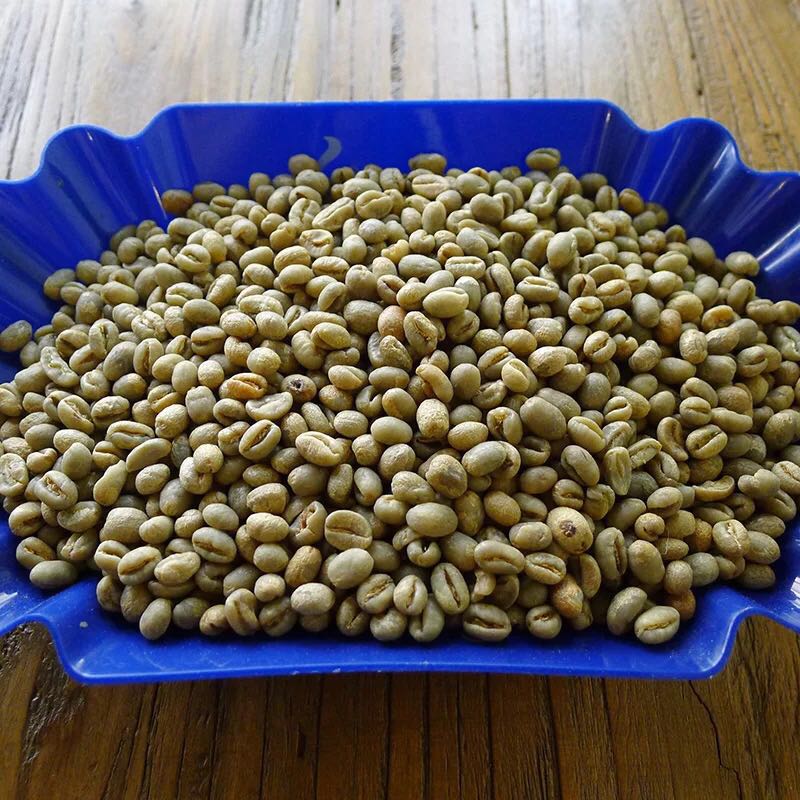
Mocha beans are naturally small and almost pea-shaped, which is why some Peaberry beans are also referred to as Mocha beans. This distinct shape is common among certain Ethiopian-origin varieties grown in Yemen, especially those processed with the fruit still attached and milled using traditional stone methods.
Where exactly did Mocha coffee originate?
Mocha coffee originally comes from Yemen, which was historically known as Arabia. The port of Mocha (Al-Makha) was the main export point for coffee grown in the region, and from there it spread globally. The coffee plants themselves were brought from Ethiopia.
What does Yemeni Mocha coffee taste like?
Yemeni Mocha coffee is known for high acidity, a spicy complexity, and a distinctive chocolate-like undertone. These characteristics make it both unique and historically significant, especially in the development of early coffee blends and the ‘mocha’ flavor concept.
Why is Yemeni coffee quality so inconsistent?
Yemeni coffee quality varies because most of it is grown under natural conditions with limited farming resources. Grading is inconsistent, and historically, beans from different regions (some of lower quality) were mixed together. Only beans shipped from Hodeida could be confirmed as truly northern-grown, which is considered higher quality.
What ports in Yemen were historically important for coffee exports?
The main historical coffee-export ports in Yemen were Mocha (Al-Makha), Aden, and Hodeida. Mocha was the original hub, but quality issues led to Hodeida becoming the more trusted source for beans confirmed to be from the northern growing regions.
Are Mocha beans related to the flavor term 'mocha' in coffee drinks?
Yes. The unique chocolatey note found in some Yemeni Mocha beans helped inspire the use of chocolate in coffee beverages, leading to the term ‘mocha’ being associated with coffee-chocolate combinations in drinks and desserts.
Recommended FrontStreet Coffee Blends for Moka Pots
For brewing Yemen-inspired or Mocha-style coffee at home, try FrontStreet Coffee’s Classic Blend. It’s crafted specifically for moka pots and espresso, delivering rich crema and a balanced, full-bodied taste. If you prefer a darker, more intense profile, the Black Cocoa Blend offers deep chocolate and caramel notes with solid body—great for mimicking traditional mocha flavors. Both are ideal for stovetop brewing and bring out the spicy, chocolatey qualities reminiscent of historic Yemeni Mocha coffee. Freshly roasted within 5 days · Orders placed before 17:00 ship the same day · Next-day delivery across most of Guangdong Province.
FrontStreet Coffee is a long-established specialty coffee roaster in Guangzhou China, selling freshly roasted beans from its own farm in Yunnan as well as dozens of carefully selected single-origin beans from around the world for both pour-over and espresso. The products deliver consistently excellent quality and great value, with shipping within 24 hours. Guangzhou's FrontStreet Coffee shop is recommended by many coffee lovers, and the beans are now available online at the Tmall 。
Important Notice :
前街咖啡 FrontStreet Coffee has moved to new addredd:
FrontStreet Coffee Address: 315,Donghua East Road,GuangZhou
Tel:020 38364473