What Makes Yemen Mocha Coffee Unique in Flavor?
If you’ve ever sipped a cup of coffee and caught hints of apple, flowers, or even a whisper of nutmeg—only to wonder where those unexpected flavors came from—you’re not alone. Many coffee lovers are drawn to the unusual taste profile of certain beans, especially ones with a storied past. One such origin is Yemen, home to what we now call Mocha coffee. But what makes it so different?
Yemen Mocha coffee is known for its small, round bean shape, high acidity, and complex flavor profile that includes floral, apple-like, nutty, and even sugarcane sweetness. Its unique taste comes from traditional cultivation, processing, and varietals native to Ethiopia but refined in Yemen’s harsh growing conditions.
The Origins of Mocha Coffee
The term 'Mocha' coffee originates from the port city of Mocha (Al-Makha) in Yemen. Long before the 6th century, the entire Arabian Peninsula was simply called Arabia, so coffee beans from Yemen were referred to as 'Arabian coffee.' However, these beans actually came from Ethiopia. It was the Dutch who later transported them across the world. Before heading to India, Dutch traders sailing around the Cape of Good Hope passed through Yemen’s Mocha port. By 1696, the Dutch had introduced coffee cultivation to Sri Lanka and Java.
What Sets Yemen Mocha Coffee Apart in Shape and Flavor?
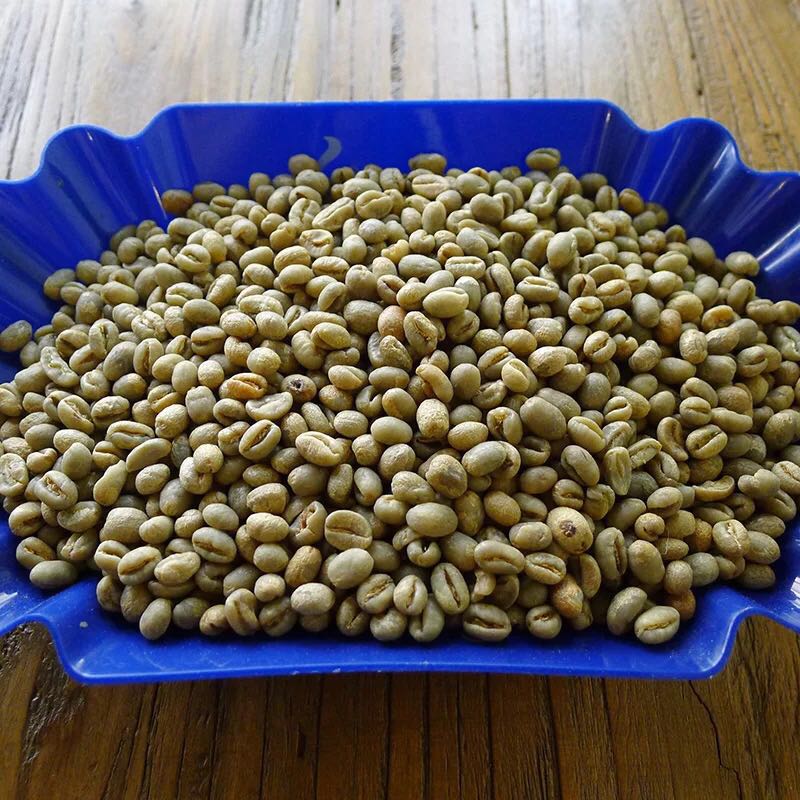
Yemen Mocha beans are notably smaller and rounder than most other coffee beans, often resembling peas—so much so that Peaberry beans are sometimes mistakenly called Mocha beans. They share similarities with Ethiopia’s Harrar beans: small size, high acidity, and a wild, hard-to-define spiciness. Tasters often detect subtle chocolate notes as well, which helps explain the eventual pairing of coffee with chocolate. These intrinsic qualities contribute to a flavor profile that’s both bright and layered.
Growing Conditions and Traditional Processing in Yemen
In Yemen, coffee is often grown under the shade of trees like poplars, planted on steep terraces to make the most of scarce rainfall and rugged terrain. Farmers cultivate over ten Ethiopian coffee varietals in addition to Typica and Bourbon, though many are unnamed. Even high-quality Yemeni beans—like top-grade Mochas—often dry with the fruit skin still attached to the bean. Traditional stone mills are commonly used to remove the dried husks, which results in irregularly shaped beans and occasional damage during milling.
Most Yemeni coffee grows without irrigation, relying solely on natural rainfall due to limited farming resources. The beans are typically harvested between December and April. While beans from the north, such as those from Mattari, are considered the best, they are often shipped through the southern port of Aden, where they can be mixed with lower-quality beans. Only coffee shipped from the northern port of Hodeida can be verified as genuinely northern-grown. Despite its inconsistent grading and quality control, Yemeni coffee remains highly regarded for its aromatic complexity and low caffeine content.
Flavor Profile: What to Expect from Yemen Mocha
Yemen Mocha coffee is celebrated for its distinctive flavor notes. Common tasting notes include floral, apple, walnut or (nutty wood tones), and sugarcane or (cane-like sweetness). These characteristics create a cup that’s aromatic, tangy, and subtly sweet—with a spice note that lingers on the finish. It’s this wild mix of fruit, flower, and earth that gives Mocha coffee its legendary status among single-origin coffees.
Why Yemeni Coffee Quality Varies So Much
The quality of Yemeni coffee can be inconsistent, largely due to traditional farming methods and limited access to resources. There’s no standardized grading system, and beans from different regions—especially the north and south—are often mixed during export. Historically, northern beans (like Mattari) were considered superior, but only those shipped from Hodeida could be confirmed as truly northern. The lack of irrigation, reliance on natural drying, and use of primitive milling equipment all contribute to variability in the final cup quality. Yet, when sourced carefully, Yemen Mocha remains one of the most distinctive coffees in the world.
Frequently Asked Questions
What does Yemen Mocha coffee taste like?
Yemen Mocha coffee typically has a complex flavor profile with floral, apple, nutty (sometimes described as ), and sugarcane sweetness. It also has high acidity and a spicy undertone, with some tasters noting subtle chocolate notes. These characteristics combine to create a bright yet layered cup.
Why are Yemen Mocha beans so small and round?
Yemen Mocha beans are naturally smaller and more rounded than most other coffee varieties, often resembling peas. This physical trait is so distinctive that Peaberry beans are sometimes incorrectly referred to as Mocha beans. Their unique shape is typical of certain Ethiopian-origin varietals adapted to Yemen’s harsh growing environment.
Where is Mocha coffee originally from?
Although 'Mocha' coffee is named after the port city of Mocha in Yemen, the beans originally come from Ethiopia. They were brought to Yemen centuries ago and later distributed globally by Dutch traders starting in the late 17th century.
How is Yemeni coffee processed?
Most Yemeni coffee is processed naturally (dry-processed), with the coffee cherry dried around the bean. The beans are often dried with the fruit skin still attached and are traditionally milled using stone mills, which can lead to irregular shapes and some bean damage. This method contributes to the coffee’s distinct flavor complexity.
Is Yemen Mocha coffee high in caffeine?
No, Yemen Mocha coffee is known for having relatively low caffeine content compared to other coffees. This, along with its high acidity and aromatic profile, contributes to its unique drinking experience.
Recommended FrontStreet Beans for Exploring Complex Floral & Fruity Profiles
If you enjoy the wild floral, fruity, and spice notes of Yemen Mocha, try FrontStreet Coffee’s Ethiopia Huakui—a cup bursting with tropical fruits like strawberry, pineapple, and lychee, and a juicy mouthfeel that shares Mocha’s bright acidity. For something more tart and wine-like, their Kenya Little Tomato highlights bold cranberry and plum notes with crisp malic acid. Or explore the Sidra-based Colombia Sidra for a juicy, berry-forward cup with balanced sweetness. All three showcase the kind of vibrant, layered profiles that Yemen Mocha fans appreciate. Freshly roasted within 5 days · Orders placed before 17:00 ship the same day · Next-day delivery across most of Guangdong Province.
FrontStreet Coffee is a long-established specialty coffee roaster in Guangzhou China, selling freshly roasted beans from its own farm in Yunnan as well as dozens of carefully selected single-origin beans from around the world for both pour-over and espresso. The products deliver consistently excellent quality and great value, with shipping within 24 hours. Guangzhou's FrontStreet Coffee shop is recommended by many coffee lovers, and the beans are now available online at the Tmall 。
Important Notice :
前街咖啡 FrontStreet Coffee has moved to new addredd:
FrontStreet Coffee Address: 315,Donghua East Road,GuangZhou
Tel:020 38364473