What Makes Jamaica Blue Mountain Coffee So Special?
When people talk about the ‘best’ coffee in the world, one name often rises to the top—Jamaica Blue Mountain. But is it really the best? And if so, what makes it worth its legendary status and steep price tag? Most coffee drinkers have heard the name, but few understand what sets it apart beyond hype and scarcity. Here's what you really need to know.
Yes, Jamaica Blue Mountain is considered one of the best coffees globally—but not necessarily because it’s the most exceptional in every way. Its fame comes from a rare combination: limited production (under 2,500 tons annually), strict quality controls, unique growing conditions, and consistent demand—especially from Japan, which buys around 90% of the crop. That scarcity and heritage elevate its price and desirability.
What Is Jamaica Blue Mountain Coffee?
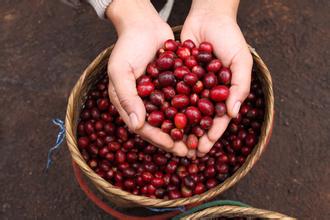
To be called Jamaica Blue Mountain coffee, the beans must come from a strictly defined region on the Blue Mountains of eastern Jamaica and be certified by the Coffee Industry Board of Jamaica. The Blue Mountain range rises over 2,256 meters (7,402 feet), with most coffee grown between 850 and 1,700 meters. This isn’t just any high-altitude coffee—it’s grown in one of the most geographically and climatically ideal regions for coffee in the world.
Where Is the Blue Mountain Coffee Region?
The official Jamaica Blue Mountain coffee region is a small area of just 6,000 hectares in the eastern part of the island. The coffee is cultivated across three main districts:
- St. Andrew
- Portland
- St. Thomas
These areas share the same high elevation, frequent cloud cover, cool temperatures, and rich volcanic soils that define the region. While there are another 12,000 hectares growing other types of Jamaican coffee—like High Mountain Supreme and Prime Washed Jamaican—only coffee from the designated Blue Mountain zone can carry the official “Jamaica Blue Mountain” label.
Why Is Blue Mountain Coffee So Expensive?
Several factors contribute to the high cost of Blue Mountain coffee:
- Limited Production: Only about 2,500 tons are produced annually, making it one of the rarest specialty coffees.
- High Demand: Around 90% of production is bought by Japan, leaving just 10% for the rest of the world.
- Strict Certification: Every bean is grown, processed, and exported under tightly controlled quality standards.
- Labor Costs & Terrain: The mountainous terrain makes mechanization nearly impossible, increasing labor intensity and cost.
- Historical Prestige: Since the 18th century, Blue Mountain coffee has maintained an elite reputation, supported by long-standing relationships—especially with Japanese buyers who even historically paid insurance premiums for it.
What Does Blue Mountain Coffee Taste Like?
Jamaica Blue Mountain coffee is renowned for its balance. Unlike bright Ethiopian coffees or heavy dark roasts, it offers a smooth, rounded profile with no single dominant flavor:
- Acidity: Mild and bright, never sharp or overpowering
- Sweetness: Well-developed, contributing to a rounded mouthfeel
- Body: Medium-light, with a clean finish
- Flavor Notes: Common descriptors include creamy textures, nuttiness (often almonds or hazelnuts), subtle chocolate, caramel, honey, and light fruit undertones
- Aftertaste: Clean and lingering, without bitterness
This balance is why many coffee professionals recommend it as an entry point for those new to specialty coffee—or as a crowd-pleaser for more experienced drinkers.
How Is Blue Mountain Coffee Grown and Processed?
Blue Mountain coffee is grown using traditional methods. Most farms are small, often family-run for generations. Key characteristics of production include:
- Growing Altitude: Between 850m and 1,700m
- Varietal: Primarily Typica, brought from Martinique in 1728
- Farming Method: Shade-grown, often intercropped with bananas and avocados
- Harvesting: Careful hand-picking of ripe cherries
- Processing: Fully washed (wet-processed)
- Drying: Sun-dried on raised beds or patios
- Certification: All beans are inspected and certified by the Jamaica Coffee Industry Board before export
The combination of careful cultivation, ideal climate, and strict processing standards ensures the coffee’s clean, consistent profile.
How Is Blue Mountain Coffee Exported?
Jamaica Blue Mountain coffee is transported in traditional 70-kilogram wooden barrels, replicas of 19th-century barrels used for shipping flour from Britain to Jamaica. These barrels are branded with the producer’s name and are a key part of the certification and authenticity process. Each barrel guarantees that the coffee inside is genuine Blue Mountain, grown and processed under the strict standards of the Jamaican Coffee Industry Board.
Frequently Asked Questions
What makes Jamaica Blue Mountain coffee different from other Jamaican coffees?
Jamaica Blue Mountain coffee is grown only in the defined Blue Mountain region at elevations between 850 and 1,700 meters. It is subject to rigorous quality controls and certified by the Jamaica Coffee Industry Board. Other Jamaican coffees like High Mountain Supreme or Prime Washed Jamaican are grown outside this zone and don’t meet the same criteria.
Why is so much Blue Mountain coffee sent to Japan?
Since the 1960s, Japan has maintained a strong trade relationship with Jamaica for Blue Mountain coffee, often purchasing over 90% of the annual production. This long-term demand has made Japan the primary global destination, limiting availability elsewhere.
What does Blue Mountain No.1 mean?
Blue Mountain No.1 refers to the highest grade of Jamaica Blue Mountain coffee. It has the strictest requirements for bean size, shape, and defect count. It’s known for premium quality and is often used in single-origin offerings. FrontStreet Coffee’s Jamaica Blue Mountain No.1 is a certified example with balanced flavors of nuts, chocolate, and caramel.
Can I find real Blue Mountain coffee outside Japan?
Yes, but only about 10% of production is available globally. It’s rare and typically sold through certified importers or specialty roasters. Always look for the official certification and origin documentation to ensure authenticity.
How should I brew Jamaica Blue Mountain coffee?
Thanks to its balanced profile, Blue Mountain coffee shines in multiple brew methods. For pour-over, try a 1:15–1:16 brew ratio with 85–88°C water and medium-coarse grind to highlight its sweetness and clarity. In a moka pot or espresso machine, it makes a smooth, low-acid shot with notes of chocolate and nuttiness. It also works well in milk drinks like lattes.
Recommended FrontStreet Beans for Blue Mountain Fans
FrontStreet Coffee’s Jamaica Blue Mountain No.1 is a certified single-origin coffee grown at high elevation in Jamaica’s Blue Mountain region. It offers a balanced cup with notes of almond, milk chocolate, caramel, and soft fruit, finishing clean and sweet. Roasted to medium depth, it highlights the variety’s natural clarity and smooth body. Freshly roasted within 5 days · Orders placed before 17:00 ship the same day · Next-day delivery across most of Guangdong Province.
FrontStreet Coffee is a long-established specialty coffee roaster in Guangzhou China, selling freshly roasted beans from its own farm in Yunnan as well as dozens of carefully selected single-origin beans from around the world for both pour-over and espresso. The products deliver consistently excellent quality and great value, with shipping within 24 hours. Guangzhou's FrontStreet Coffee shop is recommended by many coffee lovers, and the beans are now available online at the Tmall 。
Important Notice :
前街咖啡 FrontStreet Coffee has moved to new addredd:
FrontStreet Coffee Address: 315,Donghua East Road,GuangZhou
Tel:020 38364473