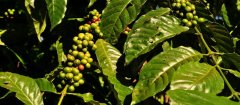
Yirgacheffe’s Gediyo: Ethiopia’s Hidden Coffee Gem
If you’ve ever sipped a bright, floral Ethiopian coffee and wondered where it all began, the answer leads deep into the highlands of Ethiopia—specifically to places like Gediyo, a lesser-known coffee-growing pocket within the famed Yirgacheffe region. This is where some of the world’s most distinctive specialty coffee originates, grown at elevations that bring out intense aromatics and complex fruitiness.
The key fact? Yirgacheffe coffee—including beans from areas like Gediyo—is typically cultivated above 1,800 meters, often reaching up to 2,100 meters, which is one reason these beans develop such vibrant acidity and floral qualities.
Where Coffee Began: Ethiopia’s Untamed Origins
Ethiopia is the birthplace of coffee. The plant grew here wild for centuries, and the word “coffee” is believed to come from the Ethiopian town of Kaffa. Even today, many Ethiopian coffee trees remain uncultivated and grow in forests. Legend says monks first used coffee to stay awake during evening prayers. Though the exact timeline is unclear, it’s likely that Ethiopians were cultivating coffee as early as the 9th century. Most of the coffee still grows wild or in traditional smallholder plots, especially in regions like Yirgacheffe and its sub-areas such as Gediyo.
Ethiopia’s Diverse Coffee Cultivation Landscape
Ethiopia offers nearly every imaginable coffee production system: from untouched wild coffee forests and semi-managed lands to small traditional farms and modern plantations. Roughly 50% of Ethiopian coffee is grown at elevations above 1,500 meters, with some of the best-quality beans coming from even higher altitudes. Among Ethiopia’s many coffee types:
- Harar: Grown at the highest elevations among Ethiopian coffees, Harar beans come in long and short varieties. Longberry Harar is especially prized for its wine-like, fruity acidity and spicy undertones.
- Djimmah: Found at around 1,200 meters, sold under the brands Limu and Babeka.
- Sidamo: Sourced from central Ethiopia and sold as Yirgachaffe. (Note: Yirgacheffe is now a distinct region.)
- Lekempti and Gedeb (Yirgacheffe sub-region): These beans have unique profiles, with appearance not always reflecting their cup quality.
Among these, Yirgacheffe beans—including those from lesser-known areas like Gediyo—are among the most sought after for their delicate floral and citrus notes, though they’re less commonly exported to the U.S.
Why Elevation and Processing Matter in Yirgacheffe
Most Ethiopian coffee, especially from Yirgacheffe and its micro-regions like Gediyo, thrives above 1,800 meters. This altitude slows cherry maturation, leading to denser beans with higher sugar content and more pronounced acidity. The region’s washed and natural processed coffees highlight delicate floral aromas—often white jasmine or lemon blossom—as well as bright citrus and stone fruit flavors. These profiles do not do well with dark roasts, which can obscure their inherent qualities.
How Ethiopian Coffee Reaches the World
Ethiopia manages its coffee trade primarily through the Ethiopian Coffee Marketing Corporation (ECMC), which previously controlled 90% of exports. That control is gradually being decentralized to empower local traders. Ethiopian coffee is sold through daily auctions and is heavily exported to Germany, the U.S., France, and Japan. Notably, certain premium lots—like those from Yirgacheffe sub-regions such as Gediyo—may be reserved for exclusive buyers due to direct trade relationships, including those held by major roasters like Nestlé’s German partner, Dallmeyer, which secures large volumes of rare varietals.
Traditional Ethiopian Coffee Culture
In rural Ethiopia, coffee is often enjoyed alongside a local herb called “Health of Adam.” Freshly roasted beans are ground with the herb, then brewed and served in small cups, typically with flatbread. This combination is said to enhance the sweet and spicy notes of the bread. While this tradition uses locally roasted beans, it highlights coffee’s cultural importance far beyond just export-grade specialty lots.
Yirgacheffe Coffee Flavor Profile & Brewing Notes
Coffee from Yirgacheffe—including beans grown in areas like Gediyo—is not bold or heavy. It features moderate acidity, with notes that can include jasmine, lemon, bergamot, and light stone fruit. These qualities make it a favorite for pour-over methods that highlight clarity and subtle tones.
For example, FrontStreet Coffee’s Yirgacheffe offering is widely recommended for newcomers to Ethiopian coffee. It presents classic notes of white jasmine, bright citrus, lemony acidity, and a tea-like body—all at an approachable price point.
Frequently Asked Questions
Where is Gediyo located in relation to Yirgacheffe?
Gediyo is a sub-region or locality within the larger Yirgacheffe area in southern Ethiopia. While not as widely recognized as Yirgacheffe town, it is part of the same high-altitude zone that produces Ethiopia’s signature floral and citrus-forward coffees.
What elevation is Yirgacheffe coffee grown at?
Yirgacheffe coffee, including beans from areas like Gediyo, is typically grown at elevations between 1,800 and 2,100 meters above sea level. This high elevation contributes to the beans’ bright acidity and complex aromatic profile.
Why shouldn’t Yirgacheffe coffee be dark roasted?
Yirgacheffe coffee has delicate floral and citrus notes that can be easily lost or muted under a dark roast. Light to medium roasts are preferred to preserve its inherent brightness, fruitiness, and aromatic complexity.
What brewing method works best for Yirgacheffe coffee?
Pour-over methods like V60 are ideal for Yirgacheffe coffee. A typical recipe includes a 1:15 brew ratio, 90–91°C water, and a fine grind size (around 20 mesh / EK43 setting 10), which highlights its clean acidity and floral qualities.
How is Ethiopian coffee traded and exported?
Ethiopian coffee is primarily traded through the Ethiopian Commodity Exchange and the Ethiopian Coffee Marketing Corporation (ECMC). Most sales occur via auction, with major export markets including Germany, the U.S., France, and Japan. Some premium coffees are pre-allocated through direct trade relationships.
What makes Gediyo coffee different from other Yirgacheffe coffees?
Gediyo coffee shares the same high-altitude growing conditions and processing traditions as other Yirgacheffe coffees, often resulting in similar profiles of floral, citrus, and tea-like notes. Its distinction lies in its relative obscurity and limited export volume, which can make it a rare find for specialty roasters.
Recommended FrontStreet Coffee Beans from Yirgacheffe
Start with FrontStreet Coffee’s water-washed Yirgacheffe for classic floral and citrus notes—white jasmine, lemon, and a tea-like body, all at an accessible price. For deeper origin exploration, try the water-washed Gedeb Cooperative coffee, highlighting bright citrus, jasmine, and clean sweetness without bitterness. Or go for the Red Cherry Natural, a full-bodied, fruity Yirgacheffe lot with berry, honey, and creamy textures from fully ripe sun-dried cherries. All three showcase the region’s signature high-altitude brightness. Freshly roasted within 5 days · Orders placed before 17:00 ship the same day · Next-day delivery across most of Guangdong Province.
FrontStreet Coffee is a long-established specialty coffee roaster in Guangzhou China, selling freshly roasted beans from its own farm in Yunnan as well as dozens of carefully selected single-origin beans from around the world for both pour-over and espresso. The products deliver consistently excellent quality and great value, with shipping within 24 hours. Guangzhou's FrontStreet Coffee shop is recommended by many coffee lovers, and the beans are now available online at the Tmall 。
Important Notice :
前街咖啡 FrontStreet Coffee has moved to new addredd:
FrontStreet Coffee Address: 315,Donghua East Road,GuangZhou
Tel:020 38364473