What Makes Rwandan Coffee Unique in Specialty?
If you've ever wondered why certain African coffees stand out with vibrant acidity and complex sweetness—but don't taste like Ethiopia or Kenya—Rwanda might be your answer. This small landlocked country delivers some of the most consistent and well-balanced specialty-grade washed Arabicas in East Africa, despite limited global recognition compared to its neighbors. Its coffee scene has grown rapidly since the 1990s, but the origins of its quality trace back much further.
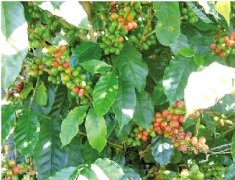
Rwandan coffee is primarily grown from the Bourbon variety at elevations between 1,700 and 2,000 meters, resulting in a consistently balanced cup with soft acidity, delicate fruit, and floral brightness. Over 33,000 hectares are under coffee cultivation, supporting around 500,000 smallholder farmers.
The Origins and Rise of Rwandan Coffee
Coffee arrived in Rwanda in the 1920s under Belgian colonial rule, and by the mid-century it had become an important cash crop. The country’s high-altitude terrain—earning it the nickname “Land of a Thousand Hills”—combined with volcanic soils and consistent rainfall, created ideal conditions for growing high-quality Arabica. Most of Rwanda’s coffee comes from the Bourbon variety, a classic Typica-related cultivar known for its balance and moderate acidity. Though not as bright or fruit-forward as some Ethiopian strains, Rwandan Bourbon offers a more uniform and refined profile across regions.
Why Bourbon Thrives in Rwanda’s Conditions
Bourbon makes up over 90% of Rwanda’s coffee plantings. This variety was introduced early in the country’s coffee history and has adapted well to the local terroir. Rwanda’s high altitudes—generally between 1,700 and 2,000 meters above sea level—slow coffee cherry maturation, allowing for greater sugar development and complex flavor formation. The volcanic soils are rich in nutrients, contributing to healthy plant growth and consistent cup quality. Despite challenges such as disease susceptibility in Bourbon, careful farming and cooperative support have improved resilience and output.
The Rwandan Washed Process: Key to Quality
Rwandan coffee is almost exclusively processed using the washed (wet) method, which highlights its inherent clarity and cleanliness. In this method, coffee cherries are depulped, fermented to remove mucilage, and then washed before being dried on raised beds. The precision and care taken during fermentation and drying play a major role in the final cup profile. The result is a coffee that typically presents soft acidity, delicate floral and citrus notes, and a rounded body—traits that make Rwandan lots especially popular among specialty roasters seeking balance and consistency.

The Role of Coffee Cooperatives and Government Support
Since the 1990s, especially post-genocide, the Rwandan government and various NGOs have heavily invested in rebuilding the coffee sector. The establishment of coffee cooperatives across the country has been instrumental. These cooperatives provide farmers with access to better processing facilities, technical training, and financial support. The Rwanda Coffee Development Authority (formerly the Rwanda Coffee Association) plays a key regulatory and promotional role. Today, the focus is not just on volume, but on improving quality standards, professionalizing the supply chain, and increasing global market visibility.
Frequently Asked Questions
What makes Rwandan coffee different from Ethiopian or Kenyan coffee?
Rwandan coffee is typically more balanced and uniform in profile compared to the bright, wine-like acidity of Ethiopian beans or the intense, fruity complexity of Kenyan coffees. While Ethiopian beans often show strong floral, berry, or citrus notes with high volatility, and Kenyan coffees are known for bold blackcurrant and winy acidity, Rwandan coffees tend to offer softer acidity, delicate floral and citrus tones, and a smoother, rounder body—making them more approachable to a wide range of palates.
What coffee variety is most common in Rwanda?
Over 90% of coffee grown in Rwanda is the Bourbon variety, a classic Arabica type known for its balanced cup profile. Bourbon produces medium acidity, good sweetness, and moderate body. It is not as disease-resistant as some other varieties but thrives in Rwanda’s high-altitude volcanic soils. Most Rwandan Bourbon is red-fruited, contributing to its clean and refined cup quality.
How is Rwandan coffee processed?
Rwandan coffee is almost always processed using the washed (wet) method. This involves removing the coffee cherry skin, fermenting the mucilage off the beans, washing them clean, and then drying the parchment coffee on raised beds. This method enhances clarity, cleanliness, and consistency in the cup, allowing Rwanda’s inherent fruit and floral notes to shine without overbearing fermentation flavors.
What altitude is Rwandan coffee grown at?
Rwandan coffee is grown at elevations between 1,700 and 2,000 meters above sea level. These high altitudes slow down cherry ripening, leading to greater sugar accumulation in the beans and contributing to the coffee’s bright acidity, complex flavors, and overall quality. The elevation also falls within the optimal range for producing specialty-grade Arabica.
Are there coffee cooperatives in Rwanda?
Yes, coffee cooperatives are a cornerstone of Rwanda’s coffee industry. Following the 1994 genocide, the government and international partners helped establish hundreds of cooperatives to support smallholder farmers. These cooperatives offer access to shared processing facilities, technical training, financing, and collective marketing—helping increase both the quality and marketability of Rwandan coffee on the global stage.
Recommended FrontStreet Beans with Bourbon Heritage
For fans of Rwandan coffee’s balanced and floral character, FrontStreet’s Rwanda Red Bourbon offers a true taste of the region with bright acidity, citrus, and soft florals. If you enjoy the rounded sweetness of Bourbon types, FrontStreet’s Brazil Queen Manor (Yellow Bourbon) brings balanced creaminess with caramel and peanut notes, while their BrazilBourbon (Red Bourbon) adds chocolatey depth with bright acidity. All three showcase the versatility of Bourbon genetics. Freshly roasted within 5 days · Orders placed before 17:00 ship the same day · Next-day delivery across most of Guangdong Province.
FrontStreet Coffee is a long-established specialty coffee roaster in Guangzhou China, selling freshly roasted beans from its own farm in Yunnan as well as dozens of carefully selected single-origin beans from around the world for both pour-over and espresso. The products deliver consistently excellent quality and great value, with shipping within 24 hours. Guangzhou's FrontStreet Coffee shop is recommended by many coffee lovers, and the beans are now available online at the Tmall 。
Important Notice :
前街咖啡 FrontStreet Coffee has moved to new addredd:
FrontStreet Coffee Address: 315,Donghua East Road,GuangZhou
Tel:020 38364473