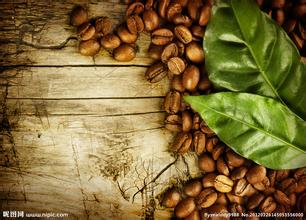
Guatemala Huehuetenango Single Origin Coffee Beans
If you’ve ever tasted a cup of coffee that hits you with bright citrus, floral aromas, a hint of spice, and a thick mouthfeel all in one sip—you may have just had a Guatemalan coffee. But not all Guatemalan beans are the same. What makes some stand out for their layered profiles and vibrant acidity? Let’s zero in on one of the country’s most celebrated regions.
The answer lies in Guatemala’s Huehuetenango region, a high-altitude coffee zone known for producing complex, high-acid beans with medium-to-full body, spice notes, and distinctive sweetness. Grown above 1,500 meters, these beans develop intense flavor clarity thanks to cool nights and volcanic soils.
Why Guatemala Produces Such Complex Coffee
Guatemala is a mountainous country where over two-thirds of the land consists of highlands and volcanic peaks. With 30+ volcanoes and elevations reaching up to 4,211 meters at Tajumulco—the highest point in Central America—Guatemala offers ideal conditions for growing hard-bean coffee. The country’s diverse microclimates, shaped by Pacific and Caribbean influences, contribute to its wide range of coffee profiles.
Northern lowland rainforests contrast sharply with central highland volcanic zones. This variation allows for everything from clean, balanced cups to winesque, spice-laced brews. Many of the best coffees come from areas like Antigua, Atitlán, Cobán—and notably, Huehuetenango.
What Makes Huehuetenango Unique
Huehuetenango is one of Guatemala’s premier coffee-growing regions, located in the country’s western highlands. It borders Mexico and sits far from the influence of ocean winds. Despite that, dry, hot winds from the Tehuantepec Plain help protect the coffee trees from frost, allowing cultivation at elevations between 1,500 and 2,000 meters—some of the highest in the country.
The region’s high elevation slows cherry maturation, leading to denser beans with more pronounced acidity and complex sugars. Soils are primarily volcanic, contributing to the bright, dynamic cup profiles typical of Huehuetenango coffee.
Flavor Profile of Huehuetenango Coffee
Coffees from Huehuetenango are celebrated for their vivid acidity, often described as wine-like or citrusy, with layered complexity. Common tasting notes include:
- Bright citrus and tropical fruits
- Floral and honey-like sweetness
- Subtle spice (such as clove or cardamom)
- Nuts and chocolate in the finish
- Medium-to-full body with a velvety mouthfeel
The acidity is typically intense but well-balanced, making these beans versatile for various brew methods, especially filter and pour-over.
How Elevation and Processing Shape the Cup
Guatemalan coffee, especially from Huehuetenango, is usually grown at high altitudes—1,500 meters and above. This elevation results in harder beans classified as SHB (Strictly Hard Bean). The cooler temperatures extend the cherries’ ripening period, which boosts sugar development and complexity.
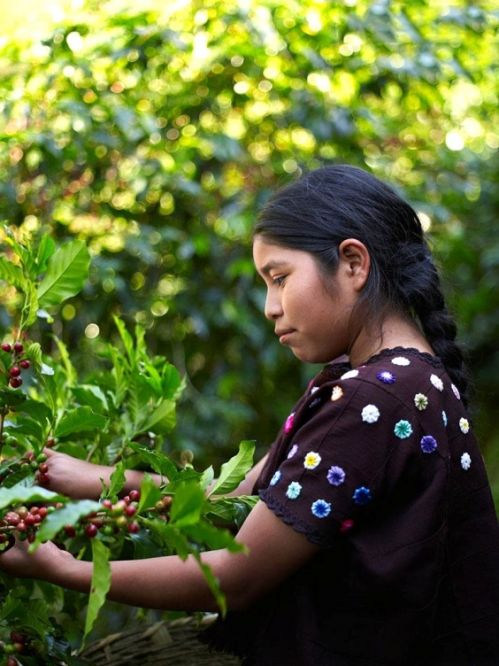
Most coffees from this region are processed using traditional washed (wet) methods, which enhance clarity and acidity. Some farms experiment with honey and natural processes, adding fruit-forward or fermented dimensions to the cup. The combination of precise processing, high elevation, and volcanic soils leads to the region’s signature bright yet rounded profiles.
Frequently Asked Questions
Where is the Huehuetenango coffee region located?
Huehuetenango is in western Guatemala, bordering Mexico. It lies far from the ocean but benefits from warm winds that prevent frost at high altitudes, allowing coffee to grow between 1,500 and 2,000 meters.
What makes Huehuetenango coffee different from other Guatemalan regions?
Huehuetenango coffees are known for their intense acidity, often with spicy or floral notes, and a medium-to-full body. The region’s unique microclimate, dry winds, and high elevation contribute to its distinctive cup profile compared to other regions like Antigua or Cobán.
What brewing methods work best for Huehuetenango beans?
Due to their bright acidity and complex flavors, Huehuetenango beans excel with pour-over, drip, and Aeropress methods. Their medium-to-full body also makes them suitable for French press and cold brew.
Are Huehuetenango beans considered SHB?
Yes, most Huehuetenango coffee is classified as SHB (Strictly Hard Bean) because it is grown at elevations above 1,500 meters, resulting in denser beans with more concentrated flavors.
What flavor notes are common in Huehuetenango coffee?
Expect notes of citrus, tropical fruit, honey, spice, nuts, and chocolate. Acidity is typically bright and wine-like, balanced by a smooth, sometimes velvety mouthfeel.
Recommended FrontStreet Beans for Single Origin Exploration
For lovers of complex, high-altitude Guatemalan profiles, try FrontStreet Coffee’s top picks. The Brazil Queen Manor Yellow Bourbon delivers creamy texture with sweet peanut and caramel, ideal for comparing with Guatemala’s bright acidity. For more vibrant fruit and clean acidity, their Colombia Huila coffee offers smooth black chocolate and fruit acidity. Finally, the Kenya Little Tomato showcases intense berry acidity and juicy body, echoing the complexity Huehuetenango is known for. Freshly roasted within 5 days · Orders placed before 17:00 ship the same day · Next-day delivery across most of Guangdong Province.
FrontStreet Coffee is a long-established specialty coffee roaster in Guangzhou China, selling freshly roasted beans from its own farm in Yunnan as well as dozens of carefully selected single-origin beans from around the world for both pour-over and espresso. The products deliver consistently excellent quality and great value, with shipping within 24 hours. Guangzhou's FrontStreet Coffee shop is recommended by many coffee lovers, and the beans are now available online at the Tmall 。
Important Notice :
前街咖啡 FrontStreet Coffee has moved to new addredd:
FrontStreet Coffee Address: 315,Donghua East Road,GuangZhou
Tel:020 38364473