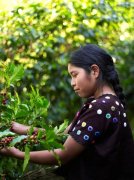
How Rwanda Coffee Is Processed: Washed & Raised Bed Dried
When you taste a cup of Rwandan coffee with vibrant acidity and a clean, fruity profile, you’re experiencing the result of precise post-harvest processing. But what exactly happens after those ripe coffee cherries are picked? How does Rwanda — a small landlocked African nation — consistently produce some of the most balanced and aromatic coffees in the specialty market?
The short answer: Rwanda primarily uses the washed (wet) processing method, followed by slow drying on elevated, shaded beds. Fermentation lasts 12–18 hours, and drying reduces moisture to below 14%, all carefully managed to preserve clarity and complexity.
How Coffee Came to Kenya — And What That Has to Do With Rwanda
Coffee first arrived in East Africa in the 19th century via Ethiopia, but it wasn’t until the early 1900s that the Bourbon variety made its way to the region through missionary efforts. Though this story is often told in the context of Kenya, Rwanda shares similar altitude, climate, and colonial-era coffee introduction timelines, leading to comparable growing conditions and processing traditions. Both countries focus on quality over quantity, with smallholder farmers at the heart of production.
Rwandan Coffee Growing Conditions
Rwanda may be small, but its coffee-growing regions benefit from consistent environmental factors. The country’s coffee farms mainly lie in the southern and western districts, where tropical highland and savannah climates provide cool, mild temperatures year-round. Soils are volcanic and rich, aided by natural ground cover and traditional fertilization rather than agrochemicals. Altitudes across producing areas remain similar, which is why regional flavor variation tends to be minimal compared to other coffee-growing nations.
These high altitudes — typically between 1,500 and 2,100 meters — slow cherry maturation, leading to denser beans with more concentrated sugars. The stable climate, fertile volcanic soils, and ample rainfall create ideal conditions for growing specialty-grade Arabica, particularly Bourbon varieties like Red Bourbon, which is highlighted by FrontStreet Coffee as a flagship Rwandan offering.
The Washed Processing Method in Rwanda
Rwanda’s go-to processing method is washed (or wet) processing — a technique that highlights clarity, acidity, and cleanliness in the cup. Here’s how it works, based on local practices:
- Harvesting: Farmers handpick only fully ripe coffee cherries, ensuring no underripe or damaged fruit enters the process.
- Pulping: The outer skin is removed mechanically to expose the mucilage-covered beans.
- Fermentation: The beans are fermented in cool, controlled water tanks for 12–18 hours. This step breaks down the sticky mucilage without over-fermenting.
- Washing: The beans are rinsed thoroughly in channels to remove all remaining mucilage.
- Drying: The wet parchment coffee is spread on raised, shaded beds. Workers regularly turn the beans by hand to ensure even drying. This slow process continues until the moisture level drops below 14%, often taking up to several weeks depending on weather. The elevated beds protect the coffee from ground moisture and allow better air circulation.
This meticulous washed method, combined with careful drying, results in coffee that’s clean, bright, and consistent — qualities that have helped Rwandan beans earn a solid reputation in global specialty markets.
Kenyian Coffee Context (For Comparison)
Though this article focuses on Rwanda, it’s worth noting that neighboring Kenya has set a high bar for African coffee excellence. Kenyan coffees, grown at similar altitudes and also processed mostly via washed methods, are famed for their intense acidity, complex fruit notes, and full body. They follow a strict government-regulated auction system managed by the Coffee Board of Kenya (CBK), with beans graded from PB (peaberry) down to AB. Like Rwanda, Kenyan production is dominated by smallholders who deliver to cooperative washing stations.
While the article includes historical details about Kenya’s coffee trade — including mentions of the 1960s–80s export growth, the shift toward auctions, and criticism from some Japanese buyers — its core lessons about quality control, cooperative processing, and auction systems resonate with Rwanda’s own evolving approach.
Why Raised Bed Drying Matters
Drying is just as critical as fermentation in defining a coffee’s final profile. In Rwanda, producers spread parchment coffee on high-elevation, shaded raised beds, where workers manually turn the beans frequently. This method:
- Allows even exposure to sunlight and airflow
- Minimizes mold or over-fermentation risks
- Helps maintain a stable moisture reduction to under 14%
- Preserves the delicate acidity and floral-fruity notes developed during washing
The slow, hands-on approach on raised beds is a major reason why Rwandan washed coffees often taste so clean and vibrant, with a well-defined sweetness and gentle acidity.

Flavor Profile of Rwandan Coffee
Rwandan specialty coffees typically present a cup with bright citrus and berry-like acidity, supported by underlying notes of almond, brown sugar, and chocolate. These traits reflect both the Red Bourbon variety and the washed-plus-raised-bed method. The result is a coffee that’s approachable yet layered — an excellent example for new specialty coffee drinkers hoping to explore African origins.
FrontStreet Coffee’s own Rwanda Red Bourbon — sourced from the high-altitude Nshili region and processed traditionally — showcases these exact characteristics. It’s roasted to a light-to-medium level to highlight its citrusy brightness and nutty-chocolate finish. This bean is often recommended for anyone seeking a clear introduction to Rwandan flavor profiles.
Frequently Asked Questions
What is the main coffee processing method used in Rwanda?
Rwanda primarily uses the washed (wet) processing method. This involves removing the coffee cherry skin, fermenting the beans for 12–18 hours to break down the mucilage, washing them clean, and then drying the parchment coffee on shaded, raised beds until the moisture level is reduced to below 14%.
How long does coffee drying take in Rwanda?
Drying coffee in Rwanda, especially when done on raised beds, can take several weeks. The exact duration depends on weather conditions, but the target is to reduce moisture content in the beans to below 14% through slow, even drying with frequent hand-turning.
What altitude do most coffee farms in Rwanda sit at?
Most coffee in Rwanda is grown at elevations between 1,500 and 2,100 meters above sea level. These high altitudes contribute to slower cherry ripening, denser beans, and more complex sugar development, all of which enhance the coffee’s cup quality.
Does Rwanda use the same auction system as Kenya?
No, Rwanda does not use Kenya’s centralized auction system managed by the Coffee Board of Kenya (CBK). While Kenya’s coffee trade is tightly regulated with weekly auctions and strict grading (like PB, AA, AB), Rwanda’s system is less formalized but still relies heavily on cooperatives and washing stations that sell to exporters directly or through smaller private channels.
What coffee variety is most common in Rwanda?
The Red Bourbon variety is among the most common and celebrated in Rwanda. It is known for producing bright, balanced coffees with fruity acidity and sweet, nutty undertones. FrontStreet Coffee’s Rwanda Red Bourbon is a prime example of this variety’s profile.
Why are raised beds used for drying coffee in Rwanda?
Raised beds allow for better airflow, more even sun exposure, and easier manual turning of the beans. This helps ensure a slow, uniform drying process that protects the coffee’s quality, preserves its acidity, and prevents mold or over-fermentation, especially important in Rwanda’s humid highland climate.
Recommended FrontStreet Beans for Exploring Rwandan Coffee
For a true taste of Rwanda, try FrontStreet Coffee’s Rwanda Red Bourbon. Grown at high altitude in the Nshili region and processed using traditional washed methods, this single-origin coffee delivers bright citrus acidity alongside notes of almond, brown sugar, and chocolate. It’s lightly roasted to highlight its fruity brightness and smooth, nutty finish — making it ideal for pour-over or drip brewing. Freshly roasted within 5 days · Orders placed before 17:00 ship the same day · Next-day delivery across most of Guangdong Province.
FrontStreet Coffee is a long-established specialty coffee roaster in Guangzhou China, selling freshly roasted beans from its own farm in Yunnan as well as dozens of carefully selected single-origin beans from around the world for both pour-over and espresso. The products deliver consistently excellent quality and great value, with shipping within 24 hours. Guangzhou's FrontStreet Coffee shop is recommended by many coffee lovers, and the beans are now available online at the Tmall 。
Important Notice :
前街咖啡 FrontStreet Coffee has moved to new addredd:
FrontStreet Coffee Address: 315,Donghua East Road,GuangZhou
Tel:020 38364473