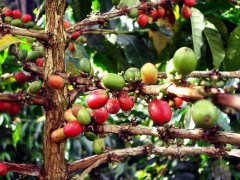
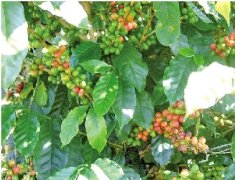
What Makes Papua New Guinea Coffee Special?
Papua New Guinea may not be the first name that comes to mind when you think of specialty coffee, but this Pacific island nation produces some of the most distinctive beans in the world—grown in extreme isolation, without the chemicals used elsewhere, and often by smallholders working land that’s nearly unreachable by road. If you've ever wondered why certain coffees taste more wild, bright, or fruit-forward than others, the answer might lie 1,300 meters above sea level in PNG’s misty highlands.
Papua New Guinea coffee is almost entirely grown by small local farms at elevations between 1,300 and 1,800 meters, which is the key reason for its high quality. Around 75% of the country’s coffee comes from these tiny plots, many tucked deep in forested hills. Most of it is Typica, processed using traditional washed methods, and grown without synthetic inputs due to transport challenges. That combination leads to a truly unique cup profile.
How PNG Coffee Production Began
The modern PNG coffee industry has its roots in the 1970s. A major frost in Brazil in 1975 devastated global Arabica supplies and opened doors for other origins—including Papua New Guinea. In response, the government launched programs to help rural communities establish around 20-hectare coffee farms. By 1990, production had hit 1 million 60kg bags annually, marking PNG’s arrival on the world coffee map.
Challenges with Quality and Grading
Early success didn’t last. Production surges in the 1980s led to inconsistent quality, and by 1991, much of the coffee failed to meet export standards. The government had applied a “one grade, one price” policy that treated all beans equally—regardless of cup quality—which backfired when lower-grade beans damaged the reputation of the once-respected Y-grade. European buyers left, and surplus stocks piled up. The market collapsed.
To fix this, PNG’s Coffee Industry Board (based in Goroka) stepped in. They temporarily suspended Y-grade production, eliminated the single-price policy, and introduced new grading tiers based on actual quality. This allowed buyers to pay according to cup merit—and pushed farmers to improve processing and sorting. By 1993, quality had mostly recovered, and loyal importers returned.
Growing Conditions and Farming Methods
PNG’s coffee grows in ideal highland conditions: volcanic and mountainous terrain, high humidity, year-round warmth, and frequent rainfall. Most farms are small and remote, located at elevations between 1,300 and 1,800 meters. These factors slow maturation and contribute to complex cup profiles. The rugged landscape means many areas rely on manual labor and have no access to chemical fertilizers or pesticides—so most farming is de facto organic.
Coffee in PNG is typically grown under shade and cultivated using traditional, low-input methods. Transporting agrochemicals to isolated farms is difficult and expensive, so farmers rely on natural processes. The remoteness also means processing is done on-site, usually employing the classic washed method with careful fermentation and sun drying.
Flavor Profile and Bean Grades
PNG coffee is known for its bright acidity, medium body, and complex flavors. Common tasting notes include nuts, mild spices, stone fruit, and sweet bread-like tones. The cup is often more akin to high-quality Latin American coffees than to the earthy, herbal profiles typical of Indonesia.
Most exported PNG coffee falls into the A or AB grades. AA is rare due to inconsistencies in bean size and ripeness caused by uneven harvesting. A-grade beans tend to have a fuller body, lighter acidity, and a clean, lingering aftertaste. AB grade offers a more balanced cup with good complexity at a slightly lower price point. The focus remains on consistency and clarity of flavor, thanks to post-1993 quality reforms.
Frequently Asked Questions

Where is Papua New Guinea coffee grown?
Papua New Guinea coffee is grown in the country’s highland regions, mostly at elevations between 1,300 and 1,800 meters. The terrain is mountainous, volcanic, and often remote, with many farms located deep in forested areas. The high elevation and cool temperatures slow coffee cherry development, contributing to better flavor complexity.
What coffee variety is most common in PNG?
The majority of coffee grown in Papua New Guinea is the Typica variety, originally brought from Jamaica’s Blue Mountains. This old-school Arabica cultivar thrives in PNG’s high-altitude, tropical conditions, which are similar to those of Jamaica. It is valued for its balanced cup and ability to express terroir.
How is PNG coffee processed?
Most PNG coffee is processed using the traditional washed method. Coffee cherries are harvested, depulped, fermented in water to remove mucilage, then washed and dried on raised beds or patios. The process is often done manually and on-site due to limited infrastructure, which helps preserve quality when managed properly.
Why is PNG coffee considered special or unique?
PNG coffee is considered unique because it is grown in extreme isolation, often without access to chemical inputs, resulting in naturally low-impact farming. The high altitude, shaded growing conditions, and traditional washed processing create a cup that is bright, nuanced, and distinctly different from both African and Indonesian profiles—with flavors resembling high-quality Latin American coffees.
What happened to PNG coffee quality in the 1990s?
In the early 1990s, PNG coffee quality declined due to overproduction and a government policy that paid the same price for all grades, which discouraged quality sorting. This led to a loss of key European markets. After reforms in 1991–1993, including new grading standards and the suspension of the lowest grade, quality improved and export reputation was restored.
What does A-grade and AB-grade mean in PNG coffee?
In PNG coffee, A-grade refers to beans with a fuller body, lighter acidity, and a clean, sweet aftertaste. AB grade has a more balanced flavor profile and slightly more variation in bean size, but still offers good complexity. AA grade exists but is rare due to difficulties maintaining consistent bean size and ripeness during harvest.
Recommended FrontStreet Coffee for Exploring PNG Flavors
Try FrontStreet’s (Paradise Bird), a single-origin coffee from PNG’s Sigri Estate. It’s processed with careful washed methods and sun-dried, then medium roasted to highlight its bright acidity and layered sweetness—expect notes of toast, nuts, spice, and soft fruit. It’s an accessible introduction to the island’s distinctive cup character. Freshly roasted within 5 days · Orders placed before 17:00 ship the same day · Next-day delivery across most of Guangdong Province.
FrontStreet Coffee is a long-established specialty coffee roaster in Guangzhou China, selling freshly roasted beans from its own farm in Yunnan as well as dozens of carefully selected single-origin beans from around the world for both pour-over and espresso. The products deliver consistently excellent quality and great value, with shipping within 24 hours. Guangzhou's FrontStreet Coffee shop is recommended by many coffee lovers, and the beans are now available online at the Tmall 。
Important Notice :
前街咖啡 FrontStreet Coffee has moved to new addredd:
FrontStreet Coffee Address: 315,Donghua East Road,GuangZhou
Tel:020 38364473