Where Papua New Guinea Coffee Comes From & How It’s Made
Ever wondered why some Papua New Guinea (PNG) coffee tastes bright and complex, yet seems hard to find? The answer lies not just in the remote island setting, but in how the country’s coffee is grown—mostly on tiny, isolated farms in forested highlands, with minimal chemical inputs and a lot of challenges in quality control. If you’ve had a great PNG cup but can’t figure out why it’s so rare or what makes it special, this article lays out everything behind the bean.
Papua New Guinea grows over 75% of its coffee on smallholder farms at elevations between 1,300–1,800 meters, producing mainly A and AB grade washed Arabicas with nuanced fruit and nut flavors. Quality improved significantly after government reforms in the early 1990s.
The Origins of PNG Coffee
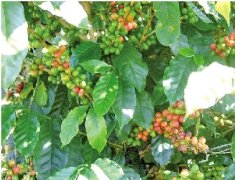
Most of Papua New Guinea’s coffee comes from small, local farms—about 75% of production. Many of these farms are carved out of forested areas, some in deep jungle regions that are nearly inaccessible. The country’s coffee is cultivated at high altitudes between 1,300 and 1,800 meters, conditions that naturally support high-quality beans. Some lowland coffee exists, but production there is minimal.
Because transporting agricultural chemicals like fertilizers and pesticides to these remote farms is difficult and expensive, most coffee is grown relying on natural conditions—effectively organic by necessity, though not always certified. This isolation and reliance on traditional methods contribute both to the coffee’s unique profile and to challenges in maintaining consistent quality.
How Coffee Shaped PNG’s Economy
Coffee plays a major role in Papua New Guinea’s economy. Over a million people are either directly or indirectly involved in the sector. The government supports growers by guaranteeing minimum coffee purchase prices, and the industry is overseen by the Coffee Industry Board, headquartered in Goroka on the eastern side of the island. However, export operations are handled entirely by private companies.
This structure has helped maintain a stable domestic coffee trade, even as global market demands fluctuate. The involvement of smallholder farmers—often working plots of just a few hectares—also means production is widely distributed across the highlands, which helps preserve traditional growing methods but complicates unified quality standards.
The Rise, Fall, and Recovery of Coffee Quality
In 1975, a frost devastated Brazil’s coffee crop, creating an opening for other origins—including PNG. The PNG government launched a program to help rural and communal landowners develop around 20-hectare coffee plantations. By 1990, annual production hit one million 60kg bags.
Initially, quality was decent, mostly falling into Grade Y. But after 1991, quality declined, and PNG lost its standing in European markets. The Grade Y premium eroded as lower-grade beans damaged the reputation of the entire category. This happened in part due to PNG’s former “one grade, one price” policy, which didn’t account for varying quality levels—a problematic approach in a crop as variable as coffee. Low-quality beans tarnished the image of higher-grade lots, leading to unsold inventory.
To fix this, the government introduced new grading categories, halted production of Grade Y, and abandoned the single-price system. Buyers could then pay based on actual quality, though this hurt farmers producing inferior beans. By 1993, quality had largely rebounded, and many former buyers returned. Today, Grade Y coffee is back, selling at a slightly lower premium that reflects its improved consistency. Most available PNG beans are graded A or AB rather than the now-rare AA.
How PNG Coffee Is Grown and Processed
While the terrain allows coffee to thrive in some areas, inconsistent harvesting often leads to uneven ripeness and bean size. That’s why AA-grade beans are scarce; A and AB grades dominate the market.
The coffee is typically grown organically and under shade, thanks to PNG’s high-altitude, forested environment. Most of the coffee is processed using traditional washed (wet) methods, which enhance clarity and acidity. The country’s coffee trees originally came from Jamaican Blue Mountain Typica stock, which adapted well to PNG’s similar high-elevation, tropical climate. That heritage, combined with elevation and careful processing, gives PNG coffee a distinct profile.
Flavor-wise, PNG coffees tend to be bright and sweet, with notes of fruit, nuts, and spice—more in line with South American profiles than the earthy, herbal tones of some Indonesian coffees. These qualities make many PNG lots approachable, especially for specialty coffee drinkers exploring beyond the usual origins.
Frequently Asked Questions
Where is Papua New Guinea coffee grown?
Papua New Guinea coffee is grown mainly in the highland regions at elevations between 1,300 and 1,800 meters. The terrain is forested and often remote, with many smallholder farms located in isolated areas. A small amount of lowland coffee is also produced, but it’s rare compared to the highland output.
What coffee varieties are grown in Papua New Guinea?
Most coffee in Papua New Guinea comes from Typica varieties, originally brought from Jamaica’s Blue Mountain region. These plants adapted well to PNG’s high-altitude, tropical climate and volcanic soils. Other varieties exist but are far less common.
How is coffee processed in Papua New Guinea?
The majority of PNG coffee is processed using the washed (wet) method. This involves removing the coffee cherry’s skin and pulp, fermenting the beans, washing them clean, and then drying them on raised beds or patios. This method highlights the coffee’s inherent acidity and clarity, contributing to its bright, fruity profile.
Why did PNG coffee quality decline in the 1990s?
After a boom in production during the 1980s, quality dropped due to inconsistent harvesting, uneven bean ripeness, and the government’s former “one grade, one price” policy. This policy didn’t reward higher quality, allowing lower-grade beans to weaken the market’s reputation—especially for Grade Y coffee. Reforms in the early 1990s helped reverse the decline.
What does modern PNG coffee taste like?
Modern PNG coffee typically offers a bright, balanced cup with moderate acidity. Common tasting notes include fruit, nuts, spices, and sometimes caramel or floral hints. Most available beans are graded A or AB, with AA being rare. The flavor profile is often compared to high-quality South American coffees.
Are there any recommended PNG coffees I can try?
Recommended FrontStreet Beans for Exploring PNG Flavor
Try FrontStreet’s (Paradise Bird), a single-origin PNG coffee from the Sigri Estate in the Western Highlands. It’s processed with careful washed methods and medium roasted to highlight its bright acidity, toasted bread sweetness, and unique spicy undertones. Expect notes of nuts, fruit, and a clean, sweet finish—ideal for pour-over. Freshly roasted within 5 days · Orders placed before 17:00 ship the same day · Next-day delivery across most of Guangdong Province.
FrontStreet Coffee is a long-established specialty coffee roaster in Guangzhou China, selling freshly roasted beans from its own farm in Yunnan as well as dozens of carefully selected single-origin beans from around the world for both pour-over and espresso. The products deliver consistently excellent quality and great value, with shipping within 24 hours. Guangzhou's FrontStreet Coffee shop is recommended by many coffee lovers, and the beans are now available online at the Tmall 。
Important Notice :
前街咖啡 FrontStreet Coffee has moved to new addredd:
FrontStreet Coffee Address: 315,Donghua East Road,GuangZhou
Tel:020 38364473