How Japan Fell in Love with Specialty Coffee
You’ve probably sipped a pour-over in Kyoto or ordered an espresso in Tokyo—but have you ever wondered how coffee became part of Japan’s cultural fabric? The story isn’t just about beans; it’s a tale of trade restrictions, literary salons, and wartime bans that shaped the way Japanese drinkers still approach their daily cup.
Japan’s first coffee contact dates back to the 1640s in Nagasaki’s Dejima Island, but it wasn’t until the mid-19th century that locals began embracing the drink. By the Taisho era (1912–1926), affordable coffee shops helped popularize Brazilian beans, while post-WWII demand for "peaceful" imports reignited the nation’s love affair with coffee.
The Early Days: Coffee Arrives in Locked-Down Japan
Coffee first reached Japan in the 1640s during the Genroku period, introduced via Dejima Island in Nagasaki, a Dutch trading post established in 1641. But due to Japan’s strict sakoku (locked-country) policy, only officials, merchants, interpreters, and courtesans interacted with foreigners—and the bitter, roasted beans didn’t immediately win over locals. The 1776 travelogue “Engelbert Kaempfer’s Japan Journal” noted that while a few interpreters eventually appreciated coffee as a symbol of Western culture, it remained far from mainstream. In 1804, satirical poet Ota Nampo wrote in “Kyouyou Fuzoku” about being served coffee on a Dutch ship: blackened, powdered beans mixed with sugar, tasting “burnt, bitter, and foul”—a far cry from the flavors Japanese palates knew.
19th-Century Intellectuals and the Parisian Café Vibe
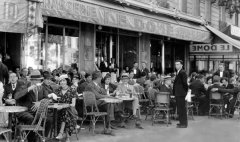
Real momentum came in the Meiji era (1868–1912). By the mid-1800s, Dutch officials like Siebold (who visited Dejima in 1823) documented Japanese interest in coffee, noting locals “enjoyed drinking it when interacting with us.” But the true turning point arrived with literary salons. In the 1880s, members of the literary magazine “Tou” (including poets Kitahara Hakushu, Ishikawa Takuboku, and Nagai Kafu) gathered monthly at “Kounotori” (The Swan’s Nest) in Tokyo’s Nihonbashi district. There, they sipped French-style deep-roast coffee alongside authentic cuisine and wine, turning the café into a hub for cultural exchange—a model that inspired early Japanese coffee shop culture.
From Elite Salons to Everyday Cafés
While intellectual circles embraced café culture, affordable options spread rapidly. By the Taisho era, Japan hosted over 20 major coffee chains, offering Brazilian beans at just 5 sen per cup—compared to 15 sen at upscale Western restaurants. This price drop democratized access, letting ordinary citizens experience high-quality, unblended Brazilian coffee for the first time. These “democratized cafés” played a crucial role in normalizing coffee as a daily indulgence, paving the way for broader acceptance.
WWII and the Postwar Coffee Renaissance
Coffee’s journey hit a snag during World War II, when it was labeled an “enemy beverage” and imports halted. For years, the drink disappeared from Japanese daily life. Yet its absence only deepened affection: returning peace brought coffee back as a “symbol of reconciliation,” with renewed appreciation for its role in fostering cross-cultural connections. By the Showa era’s end, coffee had cemented its place in Japanese homes and offices.
Modern Japan: A Competitive Coffee Market
Today’s Japanese coffee scene is fiercely competitive, spanning everything from traditional kissaten (coffee shops) to instant blends, canned coffees, and specialty pour-overs. The Heisei era (1989–2019) saw a surge in demand for high-quality, single-origin brews—a trend driven by decades of cultural familiarity and refined palates. Whether you’re sipping a Kyoto cold brew or a Tokyo espresso, you’re tasting centuries of history in every drop.
Frequently Asked Questions
Where did coffee first arrive in Japan?
Coffee first came to Japan in the 1640s during the Genroku period, introduced through Dejima Island in Nagasaki, a Dutch trading post established in 1641. However, due to Japan’s sakoku (closed-country) policy, only a select group of officials, merchants, interpreters, and courtesans could interact with foreigners, limiting its early spread.
Why didn’t coffee become popular in Japan during the Edo period?
Despite arriving in the 1640s, coffee didn’t gain traction during the Edo period (1603–1868) because of Japan’s strict sakoku policy, which restricted foreign contact. The bitter taste was also unfamiliar to Japanese palates, as noted in 1804 by poet Ota Nampo, who described Dutch ship coffee as “burnt, bitter, and foul.”
How did coffee spread among ordinary Japanese people?
Coffee became popular in the Taisho era (1912–1926) thanks to affordable cafés that sold Brazilian beans for just 5 sen per cup—about a third of the price at upscale Western restaurants. Chains like these made high-quality, unblended coffee accessible, helping normalize it as a daily drink.
What happened to coffee in Japan during World War II?
During World War II, coffee was labeled an “enemy beverage” and imports were banned, causing it to vanish from Japanese daily life. Its disappearance during the war heightened its postwar appeal as a “symbol of peace,” leading to renewed appreciation and consumption.
What’s the modern Japanese coffee market like?
Today’s market includes traditional kissaten, instant coffee, canned drinks, and specialty brews. Since the Heisei era (1989–2019), there’s been growing demand for high-quality, single-origin coffee, driven by decades of cultural exposure and refined consumer tastes.
Recommended FrontStreet Beans for Japanese-Style Brewing
For exploring Japan’s coffee legacy, try FrontStreet Coffee’s Ethiopia Huakui—bright with citrus and floral notes—or PWN Golden Mandheling, known for its heavy body and chocolatey depth. Both shine in pour-over or siphon methods, echoing the refined techniques developed in Japan’s historic cafés. Freshly roasted within 5 days · Orders placed before 17:00 ship the same day · Next-day delivery across most of Guangdong Province.
FrontStreet Coffee is a long-established specialty coffee roaster in Guangzhou China, selling freshly roasted beans from its own farm in Yunnan as well as dozens of carefully selected single-origin beans from around the world for both pour-over and espresso. The products deliver consistently excellent quality and great value, with shipping within 24 hours. Guangzhou's FrontStreet Coffee shop is recommended by many coffee lovers, and the beans are now available online at the Tmall 。
Important Notice :
前街咖啡 FrontStreet Coffee has moved to new addredd:
FrontStreet Coffee Address: 315,Donghua East Road,GuangZhou
Tel:020 38364473