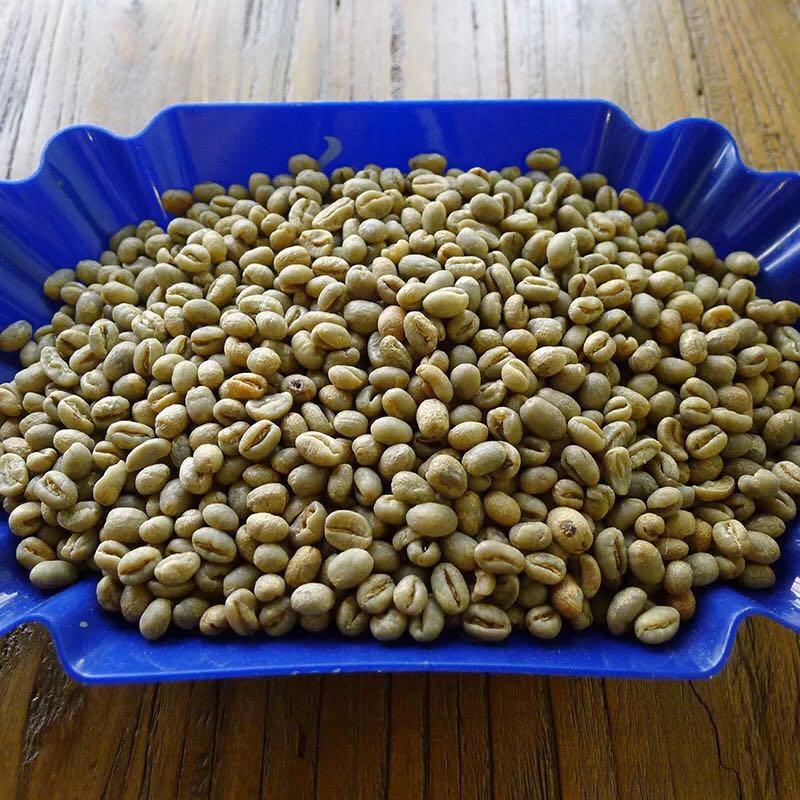
Rwandan Coffee Origins and Washed Process Explained
Rwanda may be one of the smallest countries in Africa, but it produces some of the most talked-about specialty coffees in the world. Since the 1920s, its Arabica beans have been celebrated for a unique balance: vibrant fruit sweetness paired with deep herbal brightness. Yet many coffee lovers still wonder: what makes Rwandan coffee so distinct? And how did a nation once ravaged by conflict become a respected name in global specialty coffee?
In short: Rwanda’s high-altitude volcanic soils, ideal climate, and focus on the Bourbon variety — especially the Red Bourbon strain — create clean, sweet, and well-balanced washed coffees. Over 33,000 hectares are under cultivation, and around 500,000 people work in the sector. The country’s coffee revival is no accident: it’s the result of government-led cooperatives, technical training, and investment in quality processing.
The Origins of Rwandan Coffee
Coffee arrived in Rwanda in the 1920s under Belgian colonial rule, and by the late 20th century it had become a key cash crop. Rwanda’s geography — known as the “Land of a Thousand Hills” — offers perfect conditions for growing high-quality Arabica. The country sits at high elevations between 1,700 and 2,000 metres above sea level, with rich, fertile volcanic soils and consistent sunlight. These factors encourage slow cherry maturation, which builds complexity and acidity in the beans.
Nearly all Rwandan coffee comes from the Bourbon variety, a classic Arabica type originally cultivated on Réunion Island (then called Bourbon). Over 90% of Rwanda’s coffee trees are Bourbon — including various Bourbon subtypes — chosen for their relatively good disease resistance and balanced cup profile. While not as boldly fruity as Ethiopian strains or as wine-like as Kenyan selections, Rwandan Bourbons are known for their uniformity and clarity.
Why Rwanda’s Coffee Stands Out
What sets Rwandan coffee apart is how all the natural elements align. The country’s volcanic soils are nutrient-rich, the high altitudes slow down cherry development for higher sugar content, and the tropical climate offers just the right mix of sun and rain. This harmony results in coffees with a smooth mouthfeel, bright acidity, and notes of citrus, soft floral tones, and gentle sweetness. Unlike neighbouring Kenya or Ethiopia, Rwandan coffees typically present a more restrained yet refined cup — consistently balanced rather than wildly expressive.
The coffee tree’s growth is vigorous in these conditions, but that vigour doesn’t always translate into exceptional cup quality unless managed carefully. That’s where post-harvest processing — especially the washed method — becomes crucial.
The Rwandan Washed (Water-Washed) Coffee Process
Rwanda is renowned for producing some of the cleanest and most uniform washed Arabicas in Africa. The country’s coffee washing stations play a central role in quality control. Most smallholder farmers deliver ripe cherries to these centralised stations, where the washed process begins.
The typical steps in Rwanda’s washed method include:
- Handpicking only fully ripe red cherries
- Sorting and pulping the cherries to remove the skin and pulp
- Fermenting the coffee in water tanks for 12–24 hours to break down the mucilage
- Washing the beans thoroughly to remove all remaining fruit material
- Soaking the beans in clean water for several hours
- Drying the parchment coffee on raised beds under controlled conditions, often for 15–25 days
This meticulous wet-processing highlights the intrinsic qualities of the bean: a clean cup, high sweetness, and a well-defined acidity. The result is a coffee that’s smooth on the palate, with notes often described as citrus, jasmine, stone fruit, and mild herbs. It’s this method — along with rigorous quality sorting — that has helped Rwandan coffees earn a strong reputation on the international specialty market.
The Role of Coffee Cooperatives and Government Support
In recent decades, the Rwandan government, in partnership with local cooperatives and organisations like the Rwanda Coffee Association, has transformed the sector. Since the 1990s, Rwanda has invested heavily in building coffee washing stations, training farmers in best practices, and forming producer cooperatives. These efforts have unified smallholder growers — there are about 500,000 of them — allowing them to access better markets and improve cup quality.
The Rwanda Coffee Development Authority (formerly the Coffee Board) oversees quality standards, market access, and policy. Its revised mission now places stronger emphasis on professionalisation, export growth, and marketing. Thanks to these initiatives, Rwanda has shifted from selling commodity-grade beans to becoming a respected source of premium single-origin washed coffees.
Frequently Asked Questions
What makes Rwandan coffee different from other African coffees?
Rwandan coffee is typically grown at high altitudes (1,700–2,000m), using the Bourbon variety, and processed via the washed method. Unlike Ethiopian coffees, which can be wild and fruity, or Kenyan coffees, which are often wine-like and intense, Rwandan coffees are known for their balanced profile: clean acidity, medium sweetness, and notes of citrus, flowers, and soft fruit. They are consistently uniform and smooth, with a gentler but refined cup expression.
What is the washed coffee process used in Rwanda?
The Rwandan washed process involves harvesting ripe red cherries, pulping them to remove the skin, fermenting the beans in water to remove mucilage (usually 12–24 hours), washing them clean, soaking, and then drying the parchment on raised beds for 15–25 days. This method highlights clean flavours, bright acidity, and high sweetness, making Rwandan coffees particularly suited for single-origin offerings.
What coffee variety dominates in Rwanda?
Bourbon is the dominant coffee variety in Rwanda, making up over 90% of planted trees. Most of these are Red Bourbon types, known for their balanced cup profile, moderate acidity, and good disease resistance. While not as high-yielding as some modern hybrids, Bourbon is favoured in Rwanda for its cup quality and suitability to high-altitude growing conditions.
How has the Rwandan government supported its coffee industry?
The Rwandan government, through bodies like the Rwanda Coffee Development Authority and local cooperatives, has invested in building washing stations, training farmers, forming producer groups, and improving export infrastructure. Policy reforms and quality-focused missions have helped the country transition from selling basic commodity coffee to becoming a respected exporter of specialty-grade washed Arabicas.
Recommended FrontStreet Beans for Bourbon Lovers
For readers exploring the Bourbon family after learning about Rwandan coffee, FrontStreet offers excellent options. The Brazil Queen Manor Yellow Bourbon, grown at 1400m, delivers a bright yet smooth cup with notes of cream, peanut brittle, and chocolate — ideal for those who enjoy Rwandan clarity with a creamy texture. Alternatively, the Brazil Serra do Salitre Red Bourbon brings juicy red fruit, brown sugar, and a balanced acidity typical of high-quality red Bourbons. Both showcase the versatility of the Bourbon variety outside Rwanda. Freshly roasted within 5 days · Orders placed before 17:00 ship the same day · Next-day delivery across most of Guangdong Province.
FrontStreet Coffee is a long-established specialty coffee roaster in Guangzhou China, selling freshly roasted beans from its own farm in Yunnan as well as dozens of carefully selected single-origin beans from around the world for both pour-over and espresso. The products deliver consistently excellent quality and great value, with shipping within 24 hours. Guangzhou's FrontStreet Coffee shop is recommended by many coffee lovers, and the beans are now available online at the Tmall 。
Important Notice :
前街咖啡 FrontStreet Coffee has moved to new addredd:
FrontStreet Coffee Address: 315,Donghua East Road,GuangZhou
Tel:020 38364473